
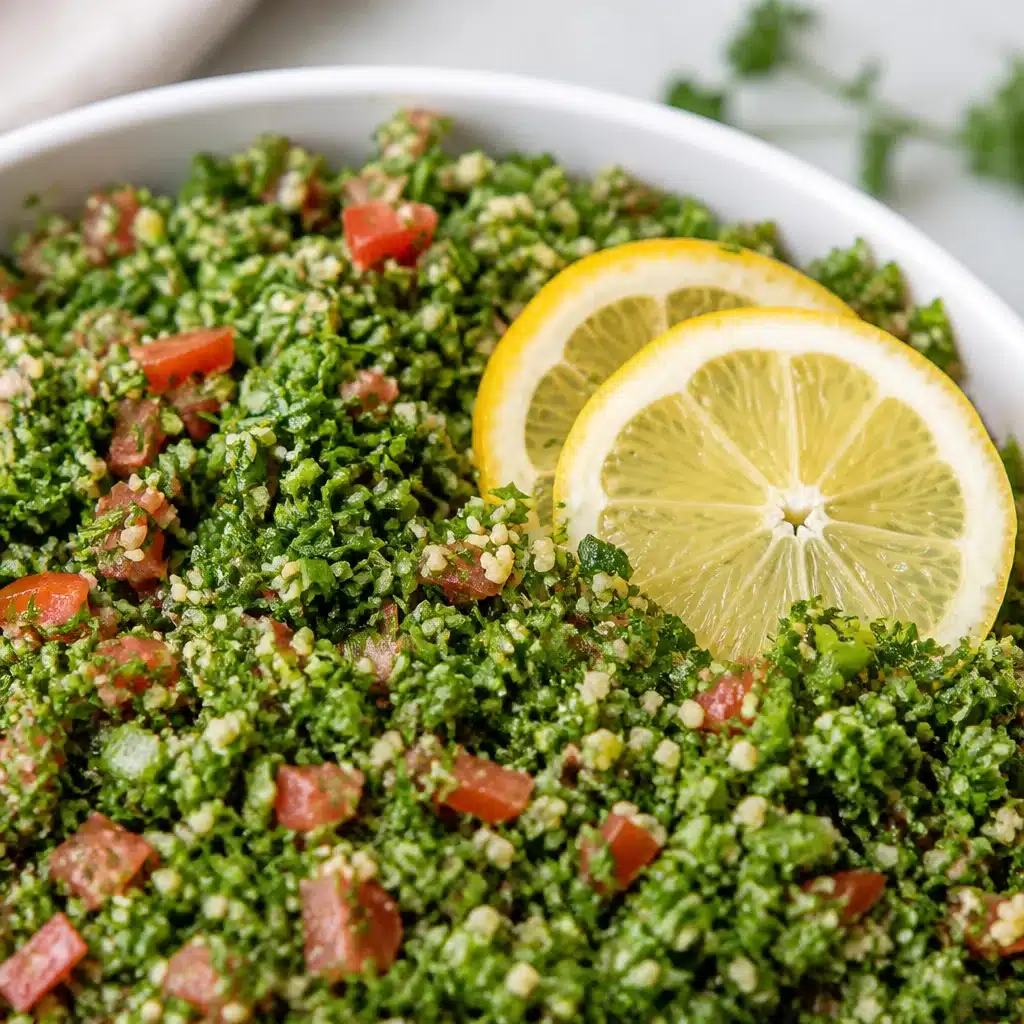
Tabbouleh Lebanese is the kind of salad I make when I want something fresh but I do not want to babysit a pot on the stove. You know those days when you have herbs in the fridge that are one day away from getting sad, and you are tired of basic lettuce salads? This is my fix. It is bright, lemony, and it somehow makes a random weekday lunch feel like a small reset. If you have ever ordered tabbouleh at a Lebanese place and wondered why yours at home tastes flat, I have been there too. Let me walk you through the simple version that still tastes like the real deal. 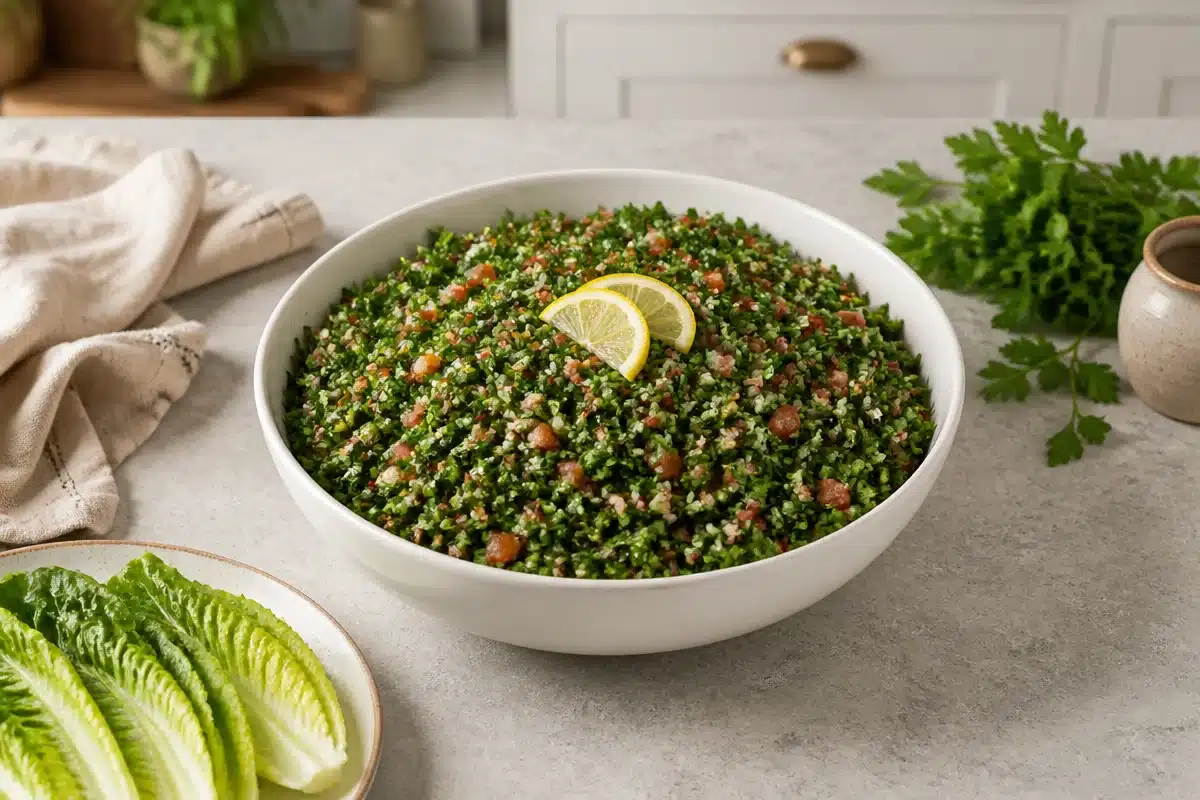
What is Tabbouleh?
Tabbouleh is a Lebanese herb salad that is mostly parsley, with tomato, onion (or scallions), mint, lemon juice, and olive oil. A lot of people think it is a bulgur salad, but bulgur is more like the supporting actor, not the star.
The whole point is freshness. You should taste **parsley**, **lemon**, and **good olive oil** right away. When it is done well, it feels juicy but not watery, and it has that little tang that makes you want another bite.
I also love it because it fits into so many meals. It is light enough to sit next to grilled chicken, but bold enough to carry a lunch on its own with some pita and hummus. And if you are planning a Lebanese style spread, it plays really nicely with meat dishes. I have even served it alongside these Mediterranean salad bowls with Lebanese meatballs and it felt like the restaurant experience at home, just more relaxed.
How to Make Authentic Tabbouleh
I am going to be honest. The only part that takes time is chopping. After that, it is basically stir and taste.
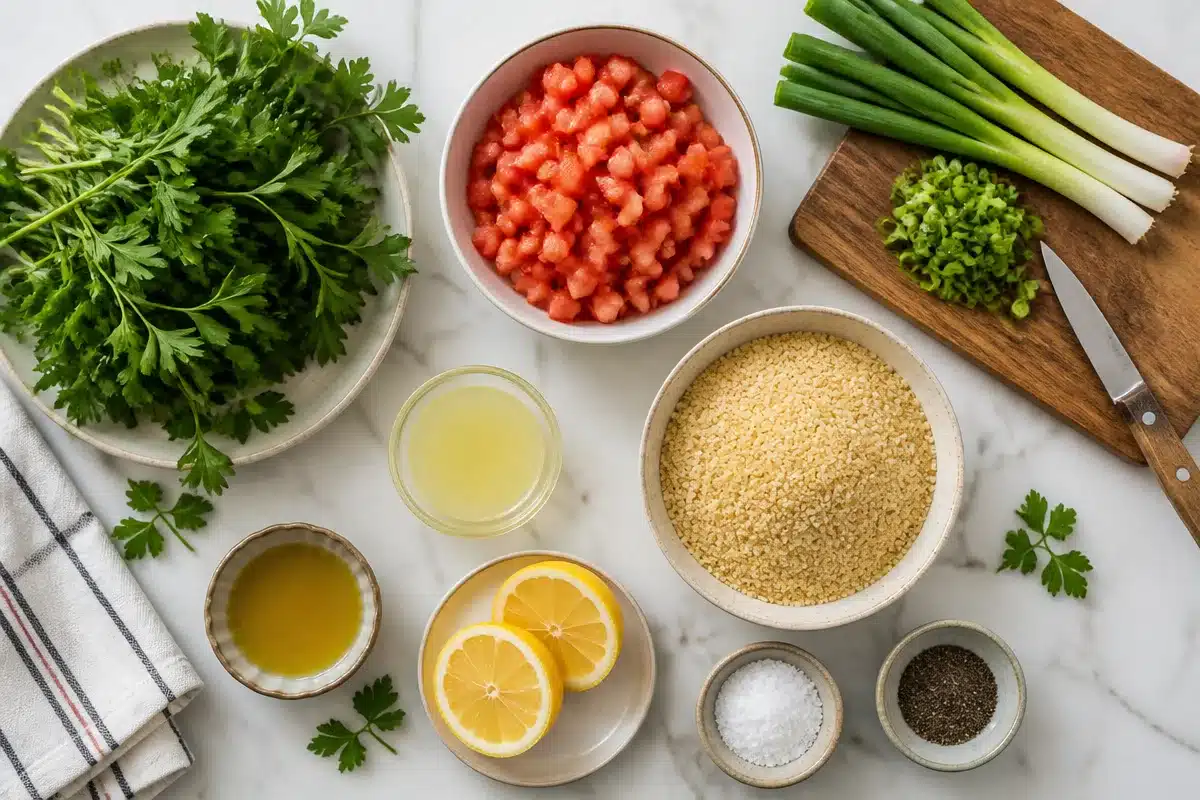
What you will need
- Fresh flat leaf parsley, lots of it
- Fresh mint (optional but highly recommended)
- Tomatoes, ripe but not mushy
- Green onions or a small amount of white onion
- Fine bulgur (also called bulgur #1)
- Lemon juice
- Extra virgin olive oil
- Salt and black pepper
Here is my basic approach for Tabbouleh Lebanese at home:
Simple directions (my usual method)
1) Rinse the parsley and mint, then dry them well. If they are wet, your salad will turn watery fast. I use a salad spinner, but you can also pat everything dry with towels and give it a few minutes to air dry.
2) Soak the bulgur. Put a small amount of fine bulgur in a bowl and cover it with water for about 10 minutes. Then drain and squeeze it gently so it is fluffy, not soggy.
3) Chop the parsley very finely. This is the heart of the whole thing. I trim off most thick stems, then bundle the leaves and chop until it looks like confetti. Same with the mint, just a smaller amount.
4) Dice tomatoes small. I like to remove the watery seeds if the tomatoes are very juicy. That keeps the final salad from puddling at the bottom.
5) Slice green onions thin. If you are using white onion, use less and chop it super fine so it does not overpower everything.
6) Mix it all up. In a big bowl, combine parsley, mint, tomatoes, onion, and bulgur.
7) Dress it simply. Add lemon juice, olive oil, salt, and a little black pepper. Mix, then taste. Add more lemon or salt until it pops.
One thing I learned the hard way is to taste it after it sits for 5 to 10 minutes. The bulgur and parsley mellow slightly, and sometimes it needs another squeeze of lemon.
“I always thought I hated tabbouleh because the store bought version tasted soggy. This one was crisp, lemony, and honestly addictive. I ate it straight from the bowl.”
Tips on Making the Best Tabbouleh
This is where tiny choices make a big difference. Tabbouleh Lebanese is simple, so every ingredient shows up loud and clear.
Use flat leaf parsley, not curly. Curly parsley can taste a bit rough in texture for this salad. Flat leaf gives you that soft, fresh bite.
Dry your herbs like you mean it. Water clinging to parsley dilutes the dressing and makes leftovers sad. If you do only one extra step, let it be drying.
Chop by hand if you can. A food processor can bruise the herbs fast and turn them dark. I know chopping takes time, but put on a podcast and it is kind of relaxing.
Fine bulgur only. If your bulgur is too coarse, it will feel like gravel in an herb salad. Fine bulgur softens quickly and blends in.
Balance the dressing. It should taste bright and slightly sharp at first. Once it sits, the flavor smooths out. If it tastes bland, it usually needs either more lemon or more salt, not more oil.
Let it rest briefly. Ten minutes on the counter helps everything come together. Not hours though, because tomatoes will release more liquid over time.
If you are serving it with other dishes, I love keeping the whole meal in the same neighborhood flavor wise. For example, tabbouleh plus a hearty protein is such a good combo, and these Lebanese meatballs and salad bowls are a really easy way to make it feel filling without losing the fresh vibe.
Recipe Variations
I am a big fan of learning the classic first, then playing around. Once you have the base down, here are a few tweaks that still feel true to the spirit of Tabbouleh Lebanese.
More mint, less mint: If you love mint, add more. If you are unsure, start small. Mint can take over quickly.
Add cucumber: This is not traditional in the strictest sense, but a small dice of cucumber adds crunch. Just remove seeds if it is watery.
Swap bulgur (if you need to): If you cannot do gluten, you can use quinoa. It becomes more of a tabbouleh inspired salad, but still tasty. Make sure the quinoa is fully cooled and not wet.
Spice hint: A tiny pinch of allspice or cumin can be nice, but go easy. This salad is supposed to taste clean and bright.
Tomato control: In winter, tomatoes can be disappointing. I sometimes use fewer tomatoes and lean harder on lemon, mint, and good olive oil. It still works.
The key is not to bury the herbs. Parsley should always be the main character.
How to Eat Tabbouleh
This might be my favorite part, because tabbouleh is basically a choose your own adventure.
My go to is scooping it with **pita** or romaine leaves. Yes, romaine. It is crunchy, it holds the salad, and it feels fun to eat with your hands.
Here are a few easy ways to serve it without overthinking:
- Next to grilled chicken, fish, or kebabs
- With hummus, baba ganoush, and warm pita
- As a side for rice and lentils
- Stuffed into a pita with cucumbers and a little yogurt sauce
If you are prepping it for the week, I suggest storing chopped herbs in a container with a paper towel to absorb moisture, and keeping tomatoes separate until you are close to eating. Then mix and dress. It stays fresh longer that way.
Also, do not be afraid to eat it at room temperature. Cold from the fridge is fine, but room temp is where the lemon and olive oil really shine.
Common Questions
Can I make tabbouleh ahead of time?
Yes, but for the best texture, chop herbs and soak bulgur ahead, then mix with tomatoes and dressing closer to serving. If it sits too long, it can get watery.
Why does my tabbouleh taste bitter?
Usually it is the parsley. Older parsley or too many thick stems can add bitterness. Also check your olive oil, because some can taste sharp in a not so pleasant way.
Do I have to use bulgur?
Traditional tabbouleh uses fine bulgur, but you can skip it if you want a pure herb salad. It will be lighter and more delicate, but still delicious.
How do I keep it from getting soggy?
Dry the herbs well, seed the tomatoes if they are very juicy, and do not overdress. Add lemon and oil in small amounts, then taste.
What is the best parsley to buy?
Look for flat leaf parsley that is bright green with firm stems and no slimy spots. If it smells fresh and peppery, you are good.
A fresh little reminder to make it soon
If you take one thing from this post, let it be this: Tabbouleh Lebanese is all about **fresh herbs**, **sharp lemon**, and taking a few extra minutes to chop well. Once you make it a couple times, it becomes one of those recipes you can do without measuring much at all. If you want to compare styles or see other home cook approaches, I really like this Lebanese Tabbouleh Salad – Feel Good Foodie and this cozy, story filled version My Mother’s Lebanese Tabbouleh – Food52. Now go grab that bunch of parsley and make a bowl, even if it is just for you. You will taste the difference right away.
Print
Authentic Tabbouleh
- Total Time: 25 minutes
- Yield: 4 servings
- Diet: Vegan
Description
A fresh and vibrant Lebanese salad packed with parsley, mint, tomatoes, and a zesty lemon dressing.
Ingredients
- 2 cups fresh flat leaf parsley, finely chopped
- 1/2 cup fresh mint, finely chopped (optional)
- 2 ripe tomatoes, diced
- 1/4 cup green onions or 1 small white onion, finely chopped
- 1/2 cup fine bulgur
- 1/4 cup lemon juice
- 1/4 cup extra virgin olive oil
- Salt and black pepper to taste
Instructions
- Rinse the parsley and mint, then dry them well.
- Soak the bulgur in water for about 10 minutes, then drain.
- Chop the parsley and mint finely.
- Dice the tomatoes small, removing watery seeds if necessary.
- Slice green onions thinly.
- Mix all chopped ingredients in a large bowl.
- Dress with lemon juice, olive oil, salt, and pepper. Adjust to taste.
- Let it sit for 5 to 10 minutes before serving.
Notes
Dry your herbs well and taste after it sits to adjust flavors. Serve with pita or alongside grilled meats.
- Prep Time: 15 minutes
- Cook Time: 10 minutes
- Category: Salad
- Method: Mixing
- Cuisine: Lebanese