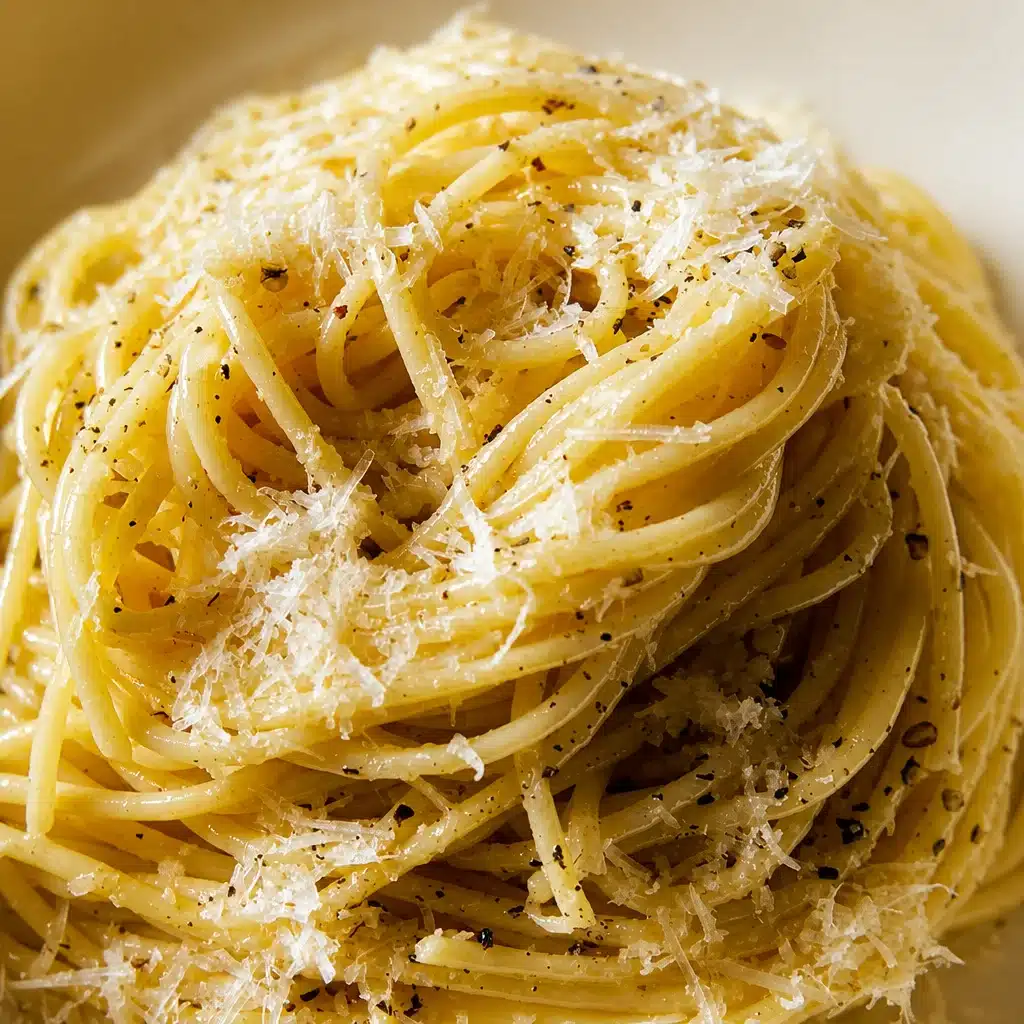
Cacio e Pepe is the dinner I make when my brain is tired, my stomach is loud, and I still want something that tastes like I tried. You know those nights when you open the fridge, stare into it for a full minute, and somehow come away with zero inspiration? This is my fix for that. It feels fancy, but it’s basically pasta, cheese, pepper, and a little patience. The first time I made it, I was shocked that something so simple could hit so hard. If you want a quick bowl of comfort that still makes you feel like a legend, you’re in the right place.
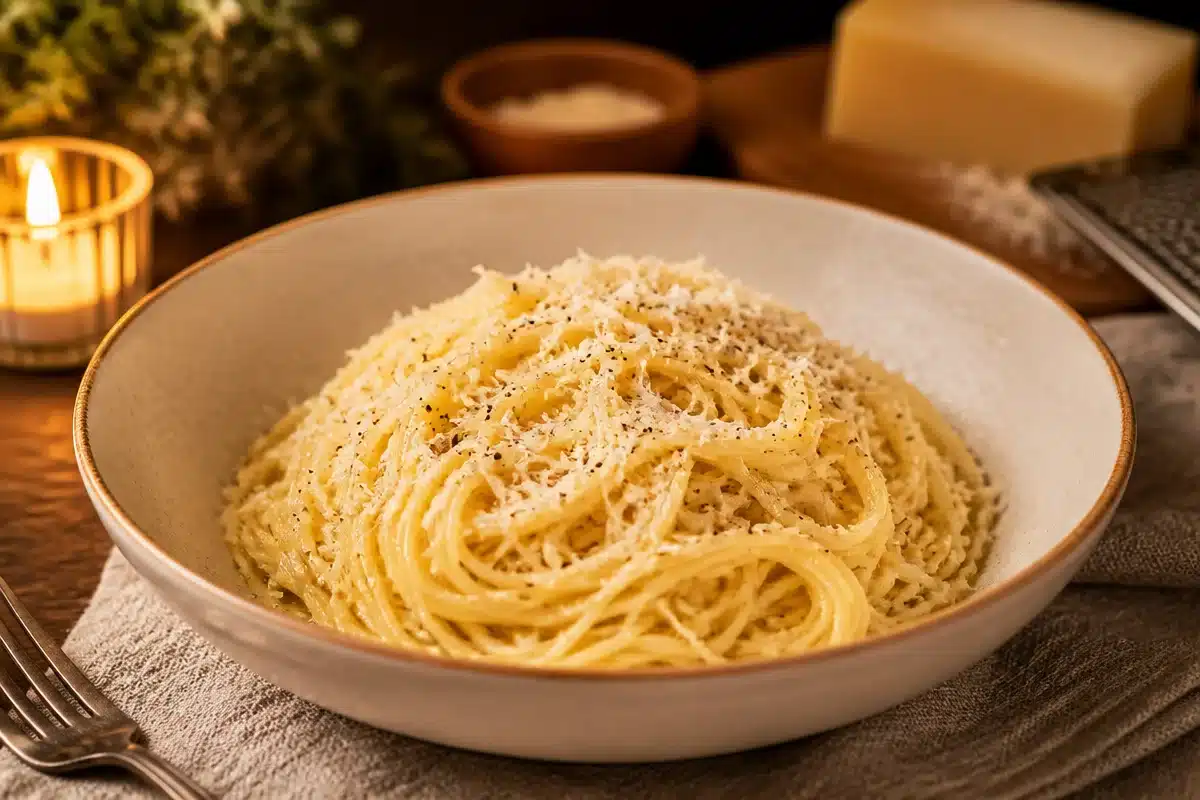
What is Cacio e Pepe?
At its core, Cacio e Pepe is a classic Roman pasta that translates to “cheese and pepper.” That’s not a cute name, either. It’s literally the whole point. The magic comes from the way starchy pasta water melts the cheese into a silky sauce that clings to every strand.
Traditionally it’s made with spaghetti (or tonnarelli if you can find it), lots of freshly cracked black pepper, and Pecorino Romano. No cream. No butter required. Just technique and good ingredients. And don’t worry, I’m not about to get overly precious with it. You can absolutely pull this off on a regular weeknight with regular tools.
Flavor wise, it’s sharp, salty, peppery, and cozy all at once. It’s the kind of pasta that tastes like a warm hug, but with attitude.
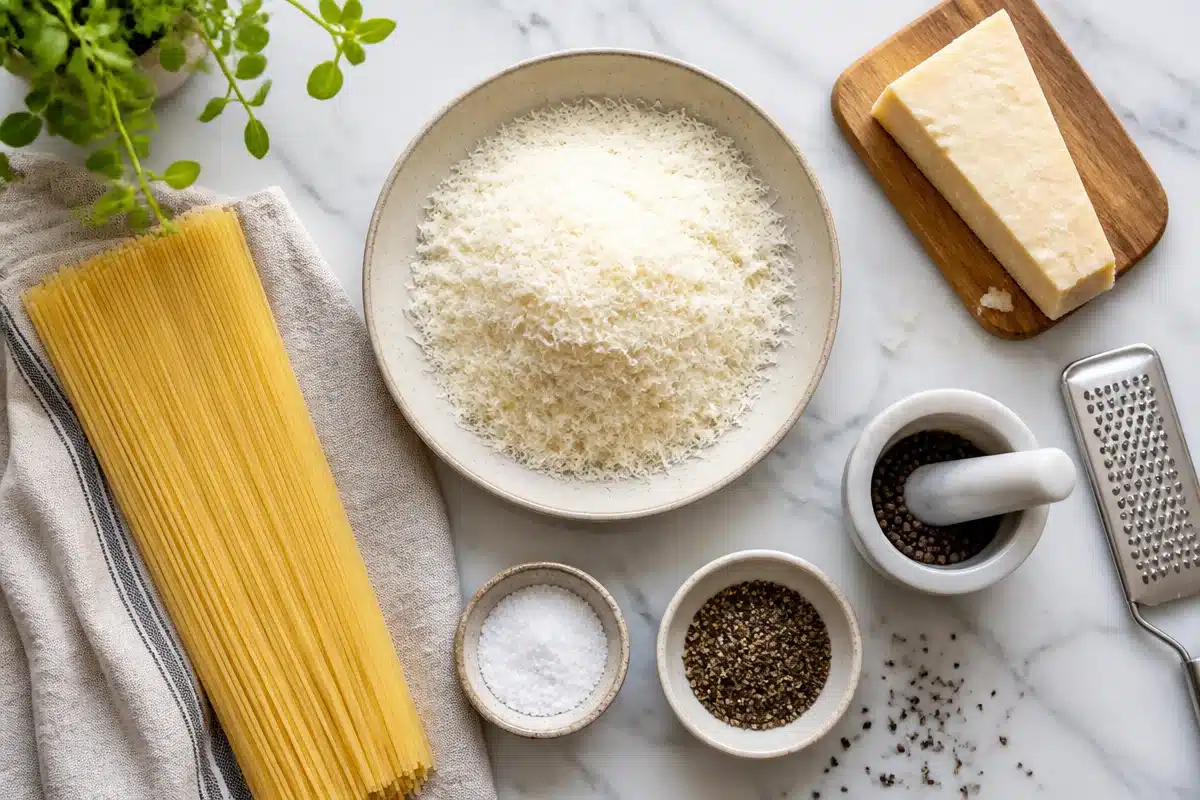
How to Make Cacio e Pepe
This is where people get nervous, because they’ve heard horror stories about clumpy cheese. I’ve been there. The good news: once you understand the few key moves, it becomes easy. You’re basically building a sauce with pasta water and cheese, then keeping the heat gentle so it stays smooth.
What you will need
- Spaghetti (or any long pasta you love)
- Pecorino Romano, finely grated (Parmesan works in a pinch, but Pecorino is the real vibe)
- Freshly cracked black pepper (pre ground pepper won’t give you that punch)
- Salt for the pasta water (go a little lighter than usual because the cheese is salty)
I also like to keep a small bowl and tongs nearby. Nothing fancy. Just makes life easier.
Step by step directions
1) Bring a pot of water to a boil. Salt it lightly, then add your pasta.
2) While the pasta cooks, toast your black pepper in a dry pan over medium heat for about 30 to 60 seconds. You’ll smell it wake up. That peppery aroma is the whole point.
3) Scoop out about 1 to 1.5 cups of pasta water before draining. I usually grab it when the pasta is almost done so it’s extra starchy.
4) Turn the heat down low under your pepper pan. Add about 1/2 cup of pasta water to the toasted pepper. Stir it around and let it simmer gently for a few seconds.
5) Add the pasta to the pan and toss. Let it mingle for about 30 seconds so the pepper water coats everything.
6) Now the key part: take the pan off the heat. Add a handful of grated Pecorino and toss like your life depends on it. Add a splash more pasta water as needed, a little at a time, until it turns into a glossy sauce. Then add more cheese, toss again, and repeat until it looks creamy and coats the noodles.
If it clumps, don’t panic. It usually means the pan was too hot or the cheese wasn’t grated finely enough. More on that in the tips section, because I’ve absolutely had a clump moment and lived to tell the tale.
Also, if you’re into fast dinners in general, I keep a few other weeknight favorites on repeat. This 15-minute keto chicken parmesan is one of those “I can’t believe this is done already” meals that saves me on busy nights.
“I tried this on a Tuesday when I was tired and honestly expected it to be bland. It was creamy, peppery, and felt like restaurant pasta. My family asked for it again two days later.”
Cacio e Pepe Variations
I’m a big fan of respecting the original, but I’m also a big fan of eating what you actually want to eat. Once you’ve nailed the basic Cacio e Pepe, you can play around a little without losing the soul of the dish.
Here are a few variations I’ve tried or happily eaten at friends’ houses:
1) Add lemon zest
A tiny bit of zest at the end makes it feel brighter, especially in warmer months.
2) Add a knob of butter
Not traditional, but it can help make the sauce extra glossy and forgiving. I do this if I’m cooking for someone who’s new to the dish.
3) Swap the pasta shape
Spaghetti is classic, but bucatini is amazing if you like a thicker bite. Even short pasta can work, just toss it hard so the sauce coats every piece.
4) Add protein on the side
I usually keep the pasta itself simple and serve something else next to it. If you want an easy option for lunches or meal prep, this 15-minute rotisserie chicken salad is super handy and goes well on a day when you’re also craving something fresh.
Tips and Tricks for Cacio e Pepe Success
If you only read one section, make it this one. These are the little details that keep your sauce smooth and your mood happy.
Grate the cheese very finely. The powdery, fluffy kind melts way better. If your cheese comes out in thick shards, it’s going to fight you.
Use real Pecorino Romano if you can. It’s sharper and saltier than Parmesan, and it’s the classic choice. Pre shredded cheese often has anti caking stuff on it, and that can mess with melting.
Keep the heat gentle. High heat is the enemy. If the pan is too hot when the cheese hits it, you risk clumps. I literally take the pan off the burner before adding the cheese. Every time.
Starchy water is the sauce secret. Don’t drain your pasta and rinse it. You want that starch. It’s what helps the cheese turn creamy instead of sticky.
Crack your pepper fresh. This is a pepper forward dish, so give it the good stuff. I like it bold, almost spicy.
Toss like you mean it. This sauce comes together with motion. Tongs, a spoon, whatever you’ve got. Just keep it moving.
Once you get the hang of it, Rise and Dine: Quick Cacio e Pepe That’ll Wow Your Taste Buds becomes one of those recipes you can do without thinking. And honestly, that’s the dream on a busy morning or a tired evening.
What to Serve with Our Cacio e Pepe Recipe
Cacio e Pepe is rich in a simple way, so I like pairing it with something fresh or crunchy. Nothing that steals the spotlight, just a supportive sidekick.
- Simple green salad with lemony dressing
- Roasted broccoli or sautéed greens with garlic
- Tomatoes (fresh sliced with olive oil and salt, especially in summer)
- Crunchy bread to swipe the bowl clean
If you want a side that feels sunny and light, I really like a grainy salad next to this pasta. This 10-minute Mediterranean farro salad is a great match because it brings freshness without adding extra stress.
And yes, you can absolutely serve it for brunch too. That’s kind of the whole Rise and Dine: Quick Cacio e Pepe That’ll Wow Your Taste Buds idea for me. It’s fast enough for the morning, but satisfying enough to carry you through the day.
Common Questions
Q: Why did my cheese turn clumpy?
A: Usually the pan was too hot or the cheese wasn’t grated fine enough. Take the pan off heat before adding cheese and use more pasta water, little by little, while tossing.
Q: Can I use Parmesan instead of Pecorino Romano?
A: Yes. It’ll be a little milder and less salty, but still delicious. If you can, do half Parmesan and half Pecorino for a nice balance.
Q: Is Cacio e Pepe spicy?
A: It can be, depending on how much pepper you use. Start with a decent amount, taste, then add more. The pepper is supposed to be noticeable.
Q: Can I make it ahead of time?
A: It’s best right away. If you need to reheat, do it gently with a splash of water and keep stirring. Microwave reheats can make the sauce gritty.
Q: What pasta works best?
A: Spaghetti is classic, but bucatini is great too. Long pasta is easier to coat evenly, but you can make it work with whatever you have.
A quick send off (and a nudge to try it tonight)
Once you’ve made this a couple times, Rise and Dine: Quick Cacio e Pepe That’ll Wow Your Taste Buds becomes one of those recipes you can pull out anytime you want big flavor with minimal effort. Keep your heat low, save that pasta water, and grate your cheese finely, and you’ll be in great shape. If you want to compare techniques, I’ve learned a lot from Cacio e Pepe (Spaghetti With Black Pepper and Pecorino Romano), and this one is a super simple reference too: Easy Cacio e Pepe Recipe – only 4 ingredients! | Spoon Fork Bacon. Now go boil that pasta and crack way more pepper than feels reasonable. You’re going to love how it turns out.
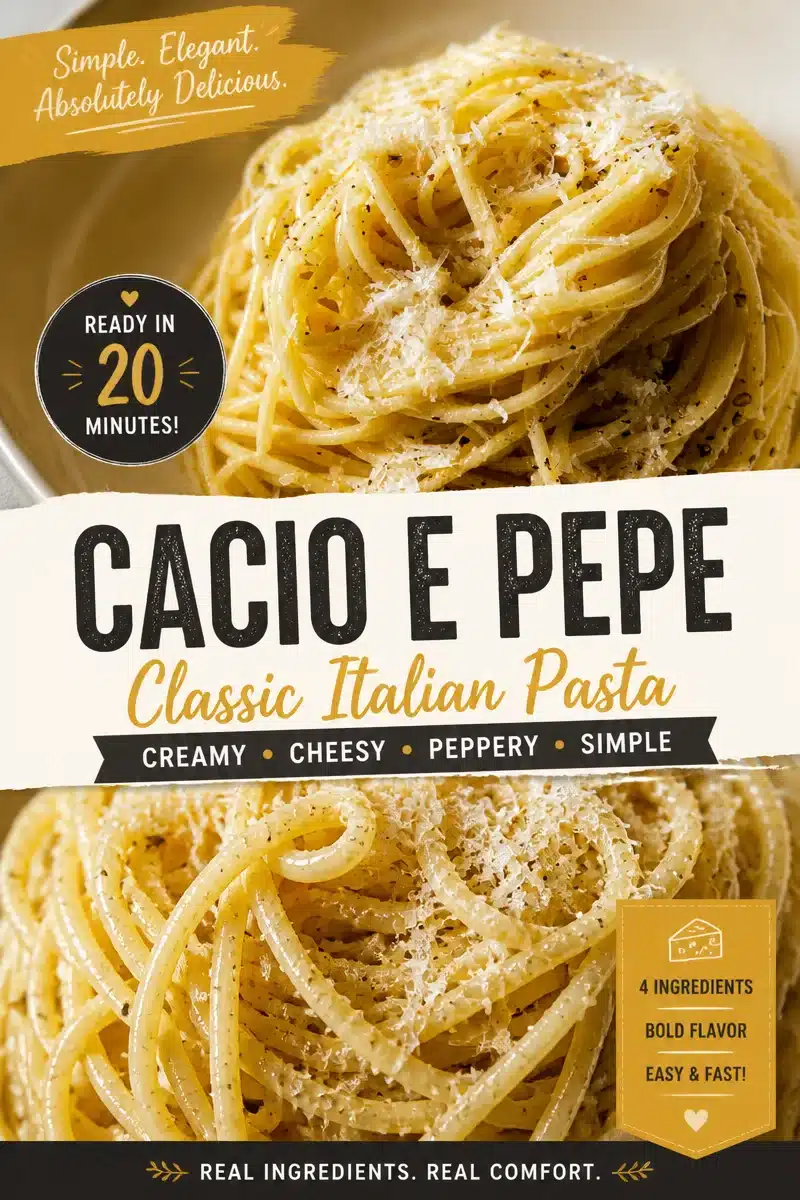

Cacio e Pepe
- Total Time: 25 minutes
- Yield: 4 servings
- Diet: Vegetarian
Description
A classic Roman pasta dish that combines spaghetti with Pecorino Romano cheese and freshly cracked black pepper for a rich, creamy sauce.
Ingredients
- Spaghetti (or any long pasta you love)
- Pecorino Romano, finely grated
- Freshly cracked black pepper
- Salt for the pasta water
Instructions
- Bring a pot of water to a boil. Salt it lightly, then add your pasta.
- While the pasta cooks, toast your black pepper in a dry pan over medium heat for about 30 to 60 seconds.
- Scoop out about 1 to 1.5 cups of pasta water before draining.
- Turn the heat down low under your pepper pan. Add about 1/2 cup of pasta water to the toasted pepper.
- Add the pasta to the pan and toss. Let it mingle for about 30 seconds.
- Remove the pan from heat. Add a handful of grated Pecorino and toss vigorously to create a creamy sauce, adding more pasta water as needed.
Notes
Grate cheese very finely for better melting. Keep the heat gentle to prevent clumping.
- Prep Time: 10 minutes
- Cook Time: 15 minutes
- Category: Main Course
- Method: Boiling
- Cuisine: Italian