
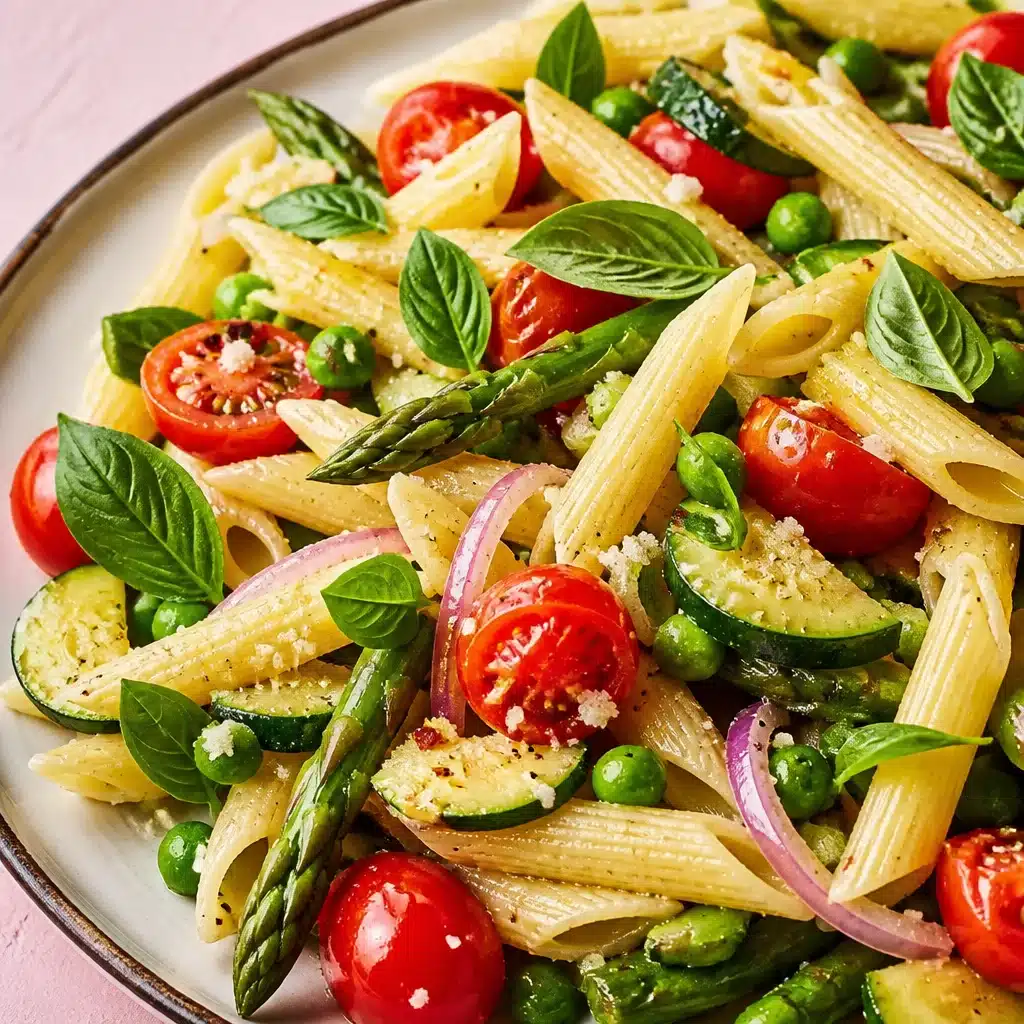
Pasta Primavera is my go to dinner for those nights when I want something bright and comforting but I do not want to spend forever cooking. You know the vibe: you open the fridge, see a few vegetables hanging out, and you just want them to turn into something that feels like a real meal. This recipe is my little reset button because it is colorful, fast, and honestly kind of joyful to eat. It also saves me from heavy sauces when I am craving something lighter. If you have ever said, “I should eat more veggies” and then grabbed noodles instead, this is the happy middle. 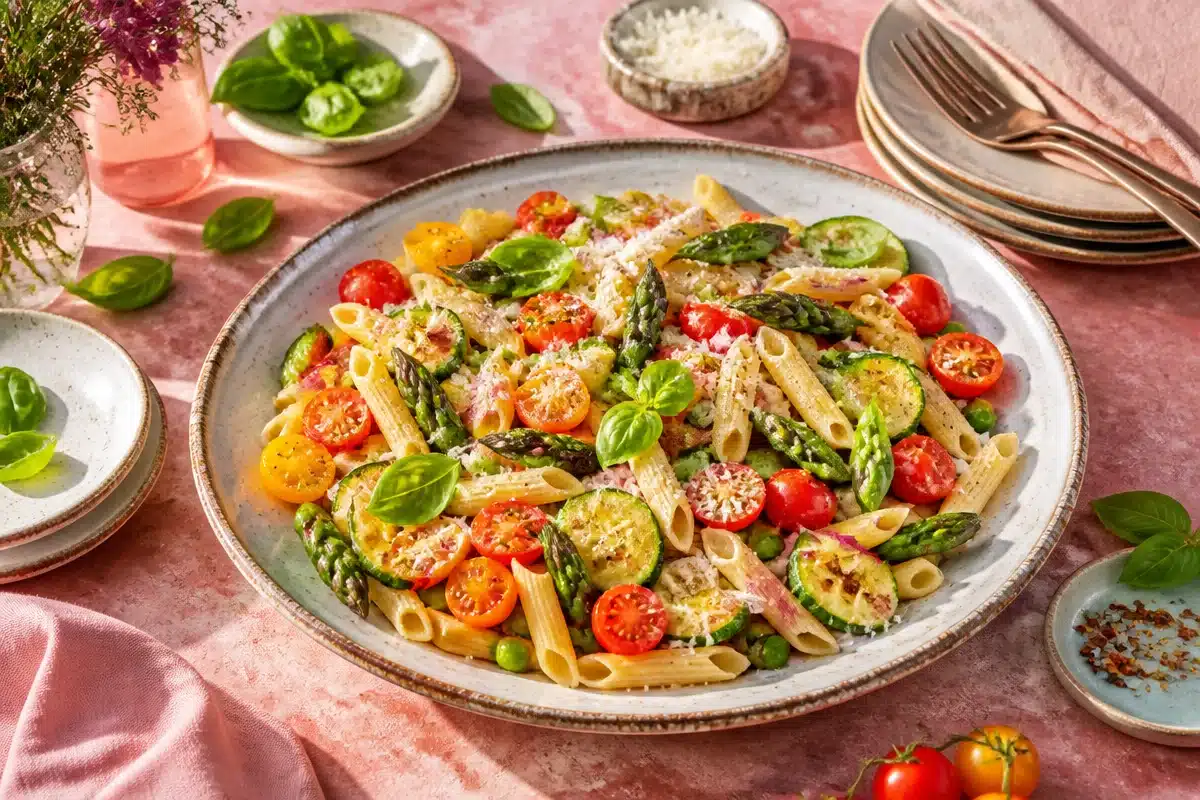
The Story of Pasta Primavera
I used to think Pasta Primavera was some old Italian classic, like it had been passed down for generations with a secret sauce and strict rules. Then I learned it is more of an Italian American idea, and that made me like it even more. It feels like the kind of dish someone created after looking at a pile of fresh vegetables and thinking, “Let us make this taste like spring.”
The word “primavera” basically points to spring, and that is exactly what it tastes like. Crisp tender veggies, a little lemon, a little cheese, and pasta that pulls it all together. I started making it after a weekend of eating a bit too rich. This dish was my way of getting back to something fresh without feeling like I was punishing myself with sad food.
If you like pasta recipes that do a lot without needing a million steps, you might also love this creamy quick one for another night: 5 Ingredient Garlic Parmesan Pasta. Different mood, same easy comfort.
Also, do not stress about making it “authentic.” Pasta Primavera is flexible. That is kind of the point. It is the meal you can make with what you have, and it still feels special.
Essential Ingredients for Pasta Primavera
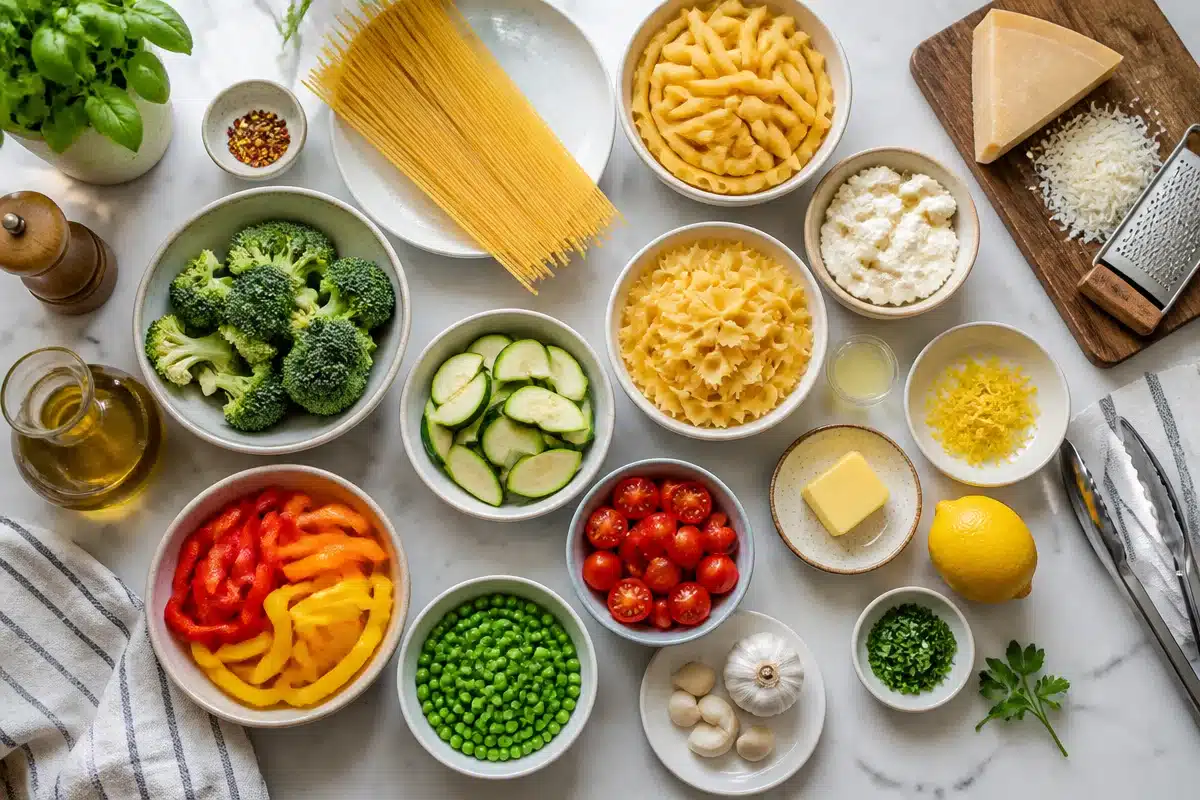
Let us talk about what actually matters here. The best Pasta Primavera is built on a few simple things: good pasta, fresh vegetables, and a light sauce that lets everything taste like itself. I keep it simple because that is what makes it weeknight friendly.
What you will need
- Pasta: spaghetti, penne, farfalle, or whatever you have
- Vegetables: I love broccoli, zucchini, bell peppers, cherry tomatoes, and peas
- Garlic: a few cloves, more if you are like me
- Olive oil and a small knob of butter (optional but so good)
- Lemon: zest and juice for that fresh pop
- Parmesan: or pecorino, plus extra for serving
- Salt and pepper: do not be shy
- Fresh basil or parsley: totally optional but it makes it feel restaurant nice
A quick veggie note: try to mix colors and textures. Something crunchy like broccoli, something soft like zucchini, something juicy like tomatoes. That combo makes Pasta Primavera feel exciting, not flat.
And if you are a meal prep person, having a veggie based pasta salad in your fridge is also a lifesaver. This one is great when you want broccoli in the mix: Best Broccoli Pasta Salad.
Step-by-Step Guide to Making Pasta Primavera
This is the part where I tell you exactly how I do it so it comes out right every time. Nothing complicated, just a few smart moves that make the sauce cling and the vegetables stay bright.
My simple method that actually works
1) Boil the pasta. Salt your water like you mean it. Cook the pasta until it is just tender. Before you drain it, save about 1 cup of pasta water. That starchy water is the secret to a silky sauce without heavy cream.
2) Prep the vegetables. While the pasta boils, chop everything into bite sized pieces. Try to keep pieces similar in size so they cook evenly. If you are using broccoli, cut it small so it softens fast.
3) Cook the vegetables in layers. Heat olive oil in a big pan. Start with the vegetables that take longer, like broccoli and bell pepper. After a few minutes, add zucchini and peas. Toss often so nothing gets sad and mushy.
4) Add garlic at the end. Garlic burns quickly, and burnt garlic ruins the whole vibe. Add it in the last minute, stir, and let it get fragrant.
5) Build the sauce. Add a small knob of butter if you want a little richness. Add lemon zest and a squeeze of lemon juice. Then add the drained pasta right into the pan. Pour in a splash of pasta water and toss, toss, toss. Add Parmesan and keep tossing until it looks glossy and lightly coated.
6) Taste and fix. This is where you win. Add salt, pepper, more lemon, more cheese, or another splash of pasta water until it tastes like you want to eat the whole pan.
“I made this on a busy Tuesday and my kids actually asked for seconds. The lemon and Parmesan made it taste fresh but still cozy.”
One more friendly reminder: Pasta Primavera is best right away. The vegetables stay snappy and the sauce stays light. Leftovers are still good, but fresh off the stove is when it shines.
Creative Serving Suggestions for Pasta Primavera
Once you have the base recipe down, serving is where you can make it feel new without changing much. This is also where it becomes a great “company is coming over” meal because it looks fancy with almost no effort.
- Add protein: grilled chicken, shrimp, or crispy chickpeas
- Make it spicy: red pepper flakes or a drizzle of chili oil
- Go extra herby: basil ribbons and parsley together are amazing
- Serve with something crunchy: garlic bread or toasted breadcrumbs on top
- Turn it into lunch: pack it with extra lemon and a little olive oil so it stays bright
If you are hosting a casual dinner, I like putting Pasta Primavera in a big bowl and setting out toppings like extra Parmesan, lemon wedges, and pepper flakes. People love customizing their plate.
And if you are building a picnic spread or potluck menu, pasta salad is always a win. This one is super crowd friendly: Bacon Cheddar Ranch Pasta Salad.
Popular Variations and Tips for Perfecting Pasta Primavera
This dish is flexible, but a few small tips make it go from “pretty good” to “why did I not make this sooner?” good.
Easy variations
Creamy version: Add a splash of half and half or a spoon of mascarpone. I still like to keep the lemon in there so it does not feel heavy.
Vegan version: Skip butter and cheese. Use olive oil, lemon, and a sprinkle of nutritional yeast. Add toasted pine nuts for richness.
Roasted veggie version: Roast your vegetables first for deeper flavor. It takes longer but tastes a little sweeter and more caramelized.
Extra green version: Toss in baby spinach at the end. It wilts in seconds and makes the bowl feel even fresher.
Tips that save the day
Do not overcook the vegetables. You want them tender but still bright. If they turn dull, they usually went too long.
Use pasta water on purpose. Add a little at a time. It helps the Parmesan melt into a light sauce instead of clumping.
Lemon goes last. Add the final squeeze right before serving so it stays lively.
Cheese off the heat if needed. If your pan is blazing hot, the cheese can get a little weird. Let it cool for a minute, then toss.
If you remember just one thing, make it this: Pasta Primavera tastes best when it is fresh, colorful, and not drowned in sauce. Let the vegetables do their thing.
Common Questions
Can I make Pasta Primavera ahead of time?
You can, but it is best fresh. If you do prep ahead, chop the vegetables and grate the cheese earlier, then cook right before eating.
What vegetables work best if I only have a few?
Broccoli, zucchini, and cherry tomatoes are my top picks. Even two veggies plus lemon and Parmesan can still feel like Pasta Primavera.
How do I keep it from getting dry?
Save pasta water and add a splash when tossing. A little olive oil helps too, especially for leftovers.
Is Pasta Primavera supposed to be creamy?
Not always. Some versions are creamy, but the lighter lemon and olive oil style is super common and honestly my favorite.
Can I use frozen vegetables?
Yes. Just cook them quickly and drain off extra water so the pan does not get watery.
A happy bowl of pasta you can count on
Pasta Primavera is the kind of recipe that makes you feel like you have your life together, even if the kitchen is a mess and you are hungry right now. Keep the vegetables colorful, lean on lemon and Parmesan, and do not forget that splash of pasta water. If you want to compare different takes, I like browsing Pasta Primavera Recipe – Love and Lemons and Pasta Primavera – RecipeTin Eats for extra inspiration. Now grab what you have in the fridge and make it your own. You are going to love how fresh it tastes. 
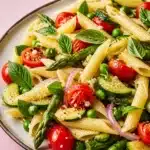
Pasta Primavera
- Total Time: 35 minutes
- Yield: 4 servings
- Diet: Vegetarian
Description
A vibrant and comforting pasta dish featuring fresh vegetables and a light sauce, perfect for a quick weeknight meal.
Ingredients
- Spaghetti, penne, farfalle, or any pasta
- Broccoli, zucchini, bell peppers, cherry tomatoes, and peas
- 4 cloves garlic
- 2 tablespoons olive oil
- 1 tablespoon butter (optional)
- Zest and juice of 1 lemon
- Parmesan or pecorino cheese
- Salt and pepper to taste
- Fresh basil or parsley (optional)
Instructions
- Boil the pasta in salted water until tender, saving 1 cup of pasta water before draining.
- Prep the vegetables by chopping them into bite-sized pieces.
- Cook the broccoli and bell pepper in olive oil first, then add zucchini and peas.
- Add garlic in the last minute to avoid burning.
- Build the sauce by adding butter, lemon zest, juice, and drained pasta to the pan, then toss with pasta water and Parmesan.
- Taste and adjust seasoning with salt, pepper, and more lemon if needed.
Notes
Best served immediately for the freshest taste. Serve with extra toppings like Parmesan cheese and lemon wedges for customization.
- Prep Time: 15 minutes
- Cook Time: 20 minutes
- Category: Main Course
- Method: Boiling and Sautéing
- Cuisine: Italian