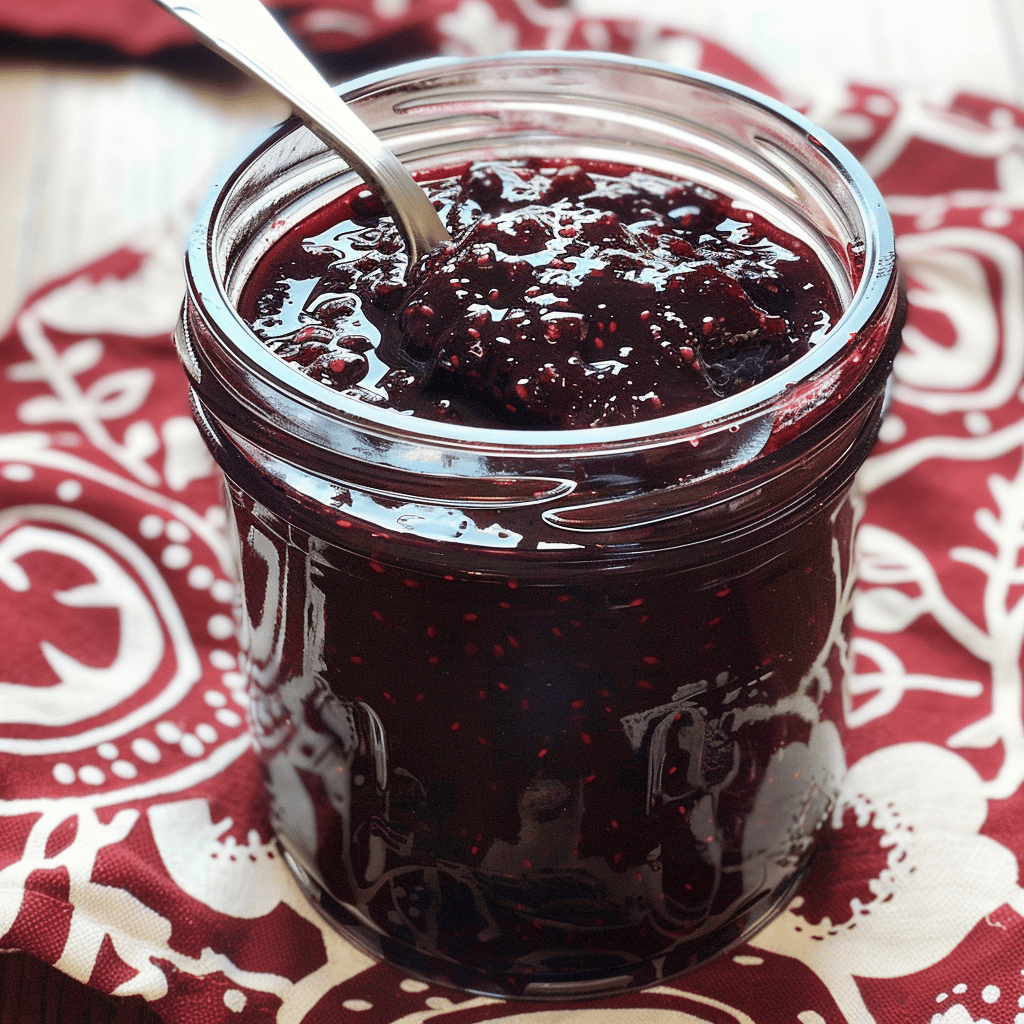
Marlene’s homemade huckleberry jam recipe offers a burst of wild berry flavor, perfect for spreading on toast or enjoying with your favorite baked goods. This straightforward recipe captures the essence of huckleberries.
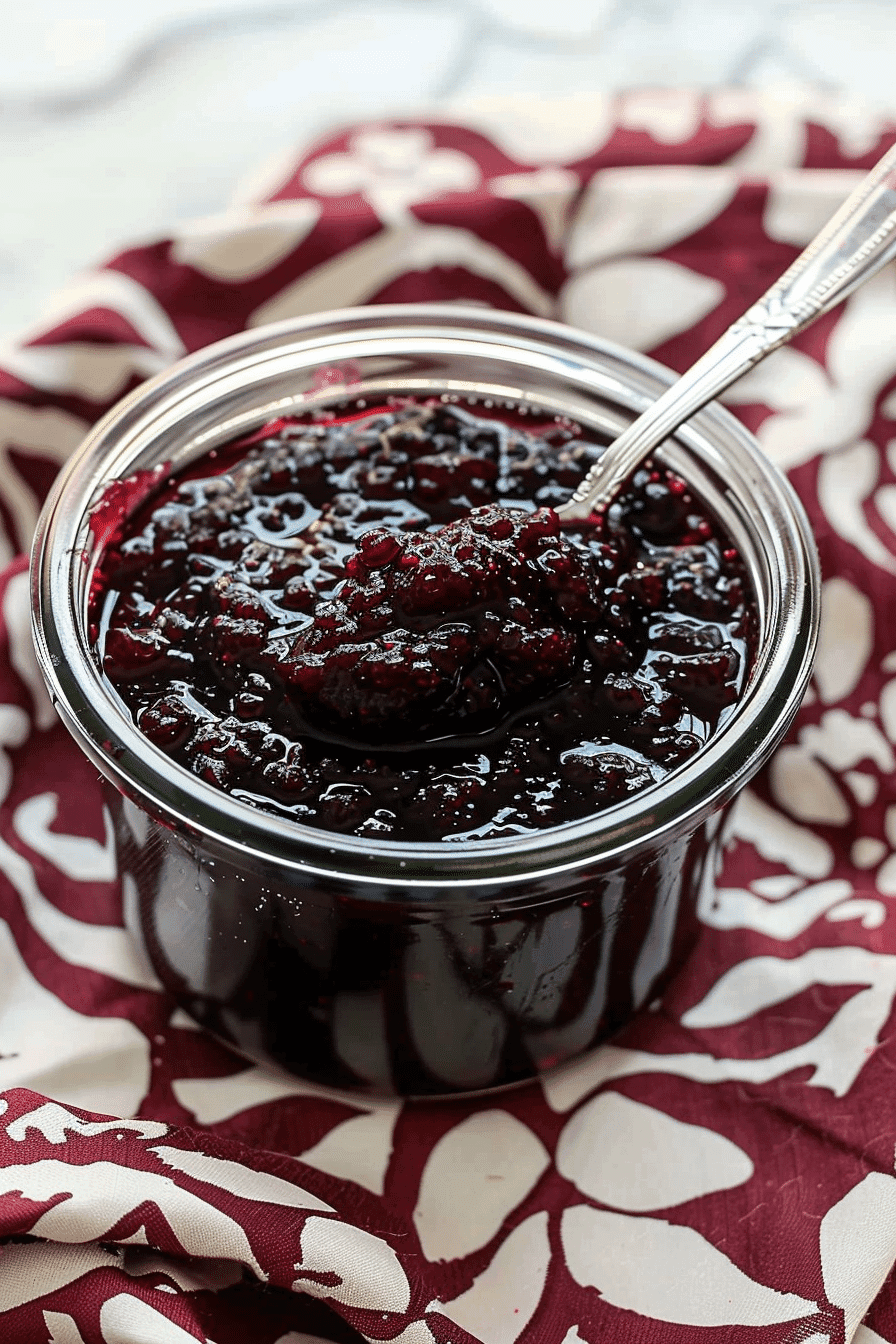
| Prep Time | Cook Time | Total Time | Servings | Difficulty | Cuisine |
|---|---|---|---|---|---|
| 15 minutes | 5-60 minutes | 1 hour 15 minutes | Approx. 1.5 cups | Easy | American |
Why This Recipe Works
This huckleberry jam recipe shines because of its simplicity and adaptability. Using fresh wild huckleberries provides an authentic, intense flavor that cultivated berries often cannot match. I discovered this method from a seasoned jam-maker, and it consistently delivers a glossy, perfectly set jam.
The magic lies in the balance of fruit, sugar, and acid. Sugar acts as a preservative and contributes to the jam’s texture, while lemon juice brightens the huckleberry flavor and aids in setting. The two distinct thickening methods, using either pectin or a longer simmer, ensure success whether you prefer a quicker process or a more traditional approach.
Ingredients
| Ingredient | Quantity | Notes / Alternatives |
|---|---|---|
| Wild Huckleberries | 1 cup | Stems removed, washed and drained. If wild huckleberries are unavailable, a mix of blueberries and raspberries can be used. |
| Cane Sugar | 1 cup | Granulated sugar can also be used. Adjust sweetness based on berry tartness. |
| Fresh Lemon Juice | 2 teaspoons | Bottled lemon juice can be substituted, but fresh provides superior flavor. Use 1 tsp per cup of fruit for the non-pectin method. |
| Classic Powdered Pectin | 2 teaspoons | Optional, for faster setting. Ensure it’s the classic type, not low-sugar. |
| Water | 2 tablespoons | Used to help berries break down. |
Step-by-Step Instructions
Preparation
- Gather all necessary ingredients and equipment.
- Ensure huckleberries are thoroughly washed, drained, and have stems removed.
- Sterilize canning jars and lids if planning for long-term storage.
Cooking the Jam Base
- Place the washed huckleberries in a medium saucepan.
- Add the cane sugar and 2 tablespoons of water to the pot.
- Bring the mixture to a rolling boil over medium-high heat.
- Reduce the heat to low and simmer until the berries have softened, about 5-10 minutes.
- Mash the softened berries using a potato masher or the back of a spoon.
Thickening the Jam
- Option 1: Using Pectin
Stir approximately 2 teaspoons of classic powdered pectin into the boiling jam mixture. - Continue to boil, stirring constantly, for exactly 1 minute.
- Remove the pot from the heat.
- Option 2: Slow Simmer (No Pectin)
Stir in 1 teaspoon of fresh lemon juice for every cup of huckleberries used (so, 1 teaspoon for this recipe). - Continue to simmer the jam over low heat.
- Stir occasionally to prevent sticking.
- Cook for approximately 1 hour, or until an instant-read thermometer registers 220°F (104°C). This temperature indicates the jam has reached its setting point.
Cooling and Setting
- Allow the jam to cool in the pot until it begins to set, about 20-30 minutes. Skim off any foam that forms on the surface.
Canning for Storage (Optional)
- Prepare sterilized jars and lids.
- Ladle the hot jam into the hot jars, leaving about 1/4 inch of headspace.
- Wipe the jar rims clean, apply the lids, and screw on the bands fingertip tight.
- Process the filled jars in a boiling water bath for 5 minutes.
- Carefully remove jars from the water bath and place them on a towel-lined surface.
- Let the jars sit undisturbed for 24 hours. Once sealed, remove the rings and store the jars in a cool, dark place.
Chef Tips for Perfect Results
- Use ripe but firm huckleberries for the best flavor and texture. Overripe berries can result in a mushy jam.
- Always remove stems and wash berries thoroughly to ensure a clean taste and prevent debris in the final product.
- Measure sugar accurately; it’s crucial for both flavor and preservation. Too little sugar can lead to spoilage.
- Ensure your pectin is fresh. Old pectin may not activate properly, leading to a runny jam.
- When using the slow simmer method, continuously monitor the temperature. Boiling for too long can scorch the jam.
Common Mistakes to Avoid
- Using Underripe or Overripe Berries: Underripe berries lack flavor and sweetness, while overripe berries can become too soft and lead to a watery jam. Select berries that are fully colored but still hold their shape.
- Incorrect Sugar Measurement: Sugar is vital for preservation and achieving the correct set. Using significantly less sugar than called for compromises shelf-life and texture.
- Over-boiling the Jam: Boiling for too long, especially without pectin, can cause the jam to become too thick, caramelized, or even burnt, altering the flavor negatively.
- Not Sterilizing Jars Properly: Improperly sterilized jars can lead to spoilage and unsafe canning. Always follow recommended sterilization procedures for canning.
- Not Testing for Set: Both the pectin and slow simmer methods require reaching a specific temperature or consistency. Failure to test for doneness can result in jam that doesn’t set properly.
Variations and Substitutions
| Ingredient | Substitution | Impact on Flavor |
|---|---|---|
| Wild Huckleberries | Blueberries, Raspberries, Blackberries | Slightly different berry flavor profile; sweetness and tartness may vary. |
| Cane Sugar | Granulated Sugar, Organic Cane Sugar | Minimal impact; organic sugar may add a very subtle molasses note. |
| Fresh Lemon Juice | Lime Juice, Apple Cider Vinegar | Lime juice adds a tangier, brighter citrus note. Vinegar adds acidity but a less desirable flavor. |
| Classic Powdered Pectin | Liquid Pectin, No Pectin (extend simmer time) | Liquid pectin sets faster. No pectin requires longer cooking, developing a more concentrated flavor but risking a softer set. |
Serving Suggestions and Pairings
Marlene’s homemade huckleberry jam is incredibly versatile. It’s a breakfast staple, perfect spread generously on warm toast, bagels, or scones. Pair it with your morning pancakes, waffles, or French toast for a delightful start to the day.
Beyond breakfast, this huckleberry jam adds a sweet-tart counterpoint to cheese boards, particularly with semi-soft or sharp cheeses like cheddar or gouda. It also makes a wonderful glaze for roasted meats or poultry, adding a unique fruity dimension. For dessert, dollop it over vanilla ice cream or use it as a filling for tarts and cookies.
Storage and Reheating
| Method | Duration | Instructions |
|---|---|---|
| Unprocessed (Refrigerator) | 2-3 weeks | Store in an airtight container in the refrigerator after cooling. |
| Processed (Pantry) | 12-18 months | Store sealed jars in a cool, dark, dry place. Check seals before opening. |
| Opened Jar (Refrigerator) | 3-4 weeks | Refrigerate immediately after opening. Always use clean utensils. |
Nutritional Information
| Nutrient | Amount per Serving (Approx.) |
|---|---|
| Calories | 120 kcal |
| Protein | 0.5 g |
| Fat | 0 g |
| Carbohydrates | 30 g |
| Fiber | 1 g |
| Sugar | 28 g |
| Sodium | 5 mg |
Frequently Asked Questions
Can I use frozen huckleberries?
Yes, frozen huckleberries work well. Thaw them completely before using them in the recipe, and drain off any excess liquid that accumulates during thawing.
How do I know when the jam is set?
The jam is set when it reaches 104°C (220°F) on an instant-read thermometer. Alternatively, perform the ‘cold plate test’: place a small amount of jam on a pre-chilled plate, let it sit for a minute, then push it with your finger; if it wrinkles, it is set.
My jam is too thin, what happened?
If your jam is too thin, it likely wasn’t cooked long enough to reach the setting point or the pectin was not activated correctly. You can re-boil the jam with a little more pectin or lemon juice and test for set again.
Can I make this huckleberry jam ahead of time?
Absolutely, this jam is ideal for making ahead. If properly canned, it stores for over a year. Refrigerated, it lasts several weeks.
What is the best way to serve homemade huckleberry jam?
Homemade huckleberry jam is best served at room temperature to appreciate its full flavor. Spread it on breakfast items, pair with cheeses, or use it as a glaze for savory dishes.
Conclusion
Marlene’s homemade huckleberry jam recipe provides a simple path to capturing the vibrant, wild taste of huckleberries. This guide ensures you can create a delicious preserve, whether you prefer the quick set of pectin or the deep flavor developed through slow simmering. Enjoy the fruits of your labor with this heirloom recipe. This iconic blend of tart berries and sweet sugar is truly unforgettable.
Print
Marlene’s Homemade Huckleberry Jam Recipe
- Total Time: 75
- Yield: Approx. 1.5 cups
- Diet: Vegetarian
Description
A vibrant, wild berry-infused jam made with huckleberries, sugar, and lemon juice. Perfect for toast, pastries, or pairing with cheese.
Ingredients
Wild Huckleberries, 1 cup
Cane Sugar, 1 cup
Fresh Lemon Juice, 2 teaspoons
Classic Powdered Pectin (optional), 2 teaspoons
Water, 2 tablespoons
Instructions
Wash and drain huckleberries, removing stems
Sterilize jars and lids if preserving long-term
Combine berries, sugar, water in a saucepan
Heat over medium, stirring until sugar dissolves
Optional: Add pectin for faster setting
For thickening without pectin, simmer ~45-60 minutes until thick
Skim foam with a spoon
Ladle into sterilized jars, seal tightly
Notes
Use fresh huckleberries for best flavor; blueberries + raspberries work as substitutes
Adjust sugar to balance tartness of berries
Stir frequently to prevent burning
Store in fridge up to 2 weeks
- Prep Time: 15
- Cook Time: 60
- Category: Trend Recipes
- Method: Simmering
- Cuisine: American