
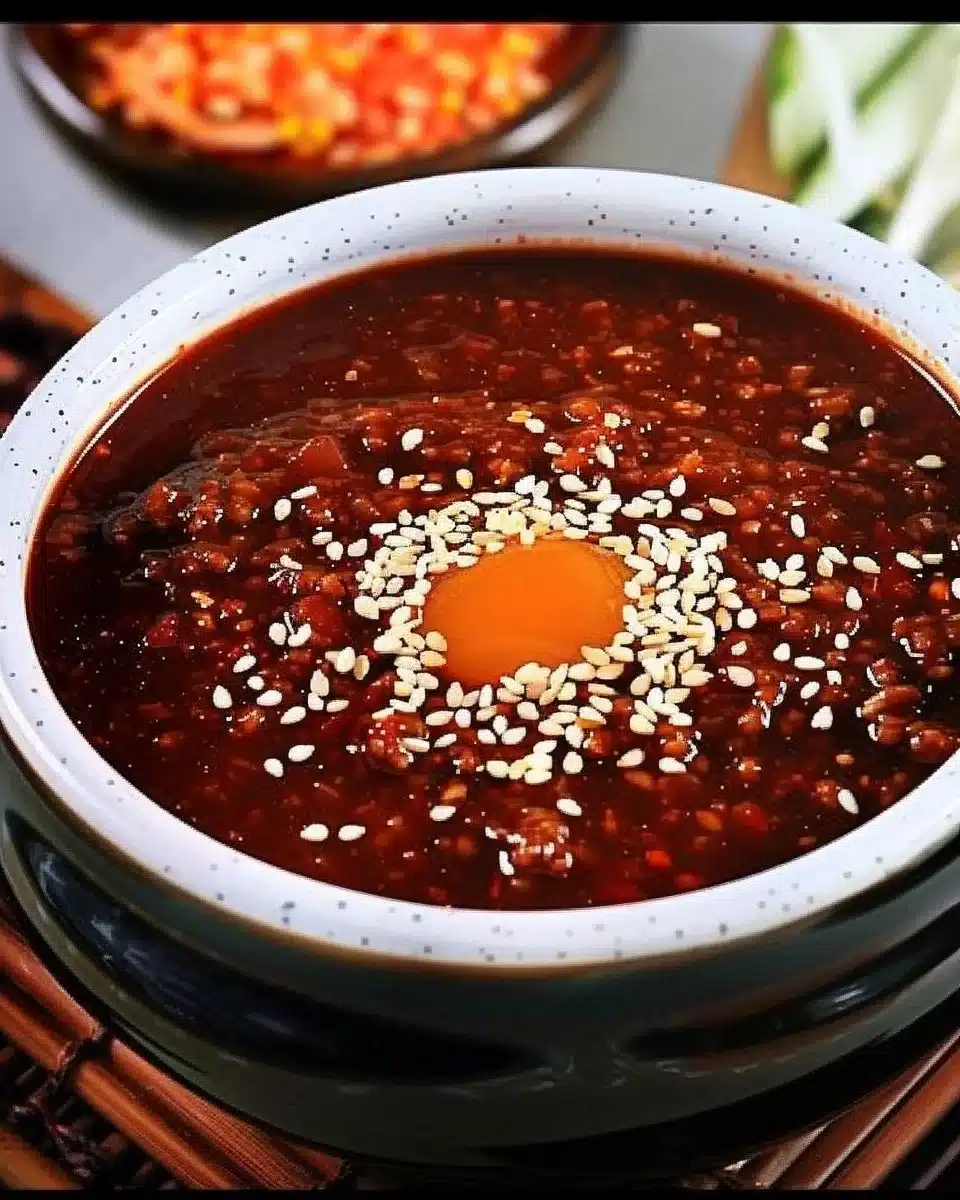
Korean Spicy Bibimbap Sauce
Korean Spicy Bibimbap Sauce is a vibrant and flavorful condiment that takes your meals to the next level. Whether you are a fan of Korean cuisine or just exploring new tastes, this sauce is a perfect addition to your culinary repertoire. It’s zesty, spicy, and pairs wonderfully with a variety of dishes, especially the beloved bibimbap.
Why Make This Recipe
Korean Spicy Bibimbap Sauce is not just any sauce; it’s the heart of bibimbap, one of Korea’s most famous dishes. Making your sauce from scratch allows you to control the flavors and levels of heat, ensuring a taste that’s just right for you. Plus, it’s incredibly easy to prepare and requires only a few simple ingredients. This homemade sauce is not only fresh and flavorful but also versatile—you can use it as a dip, a marinade, or a dressing for various dishes. If you’re a fan of bold flavors, this sauce is a must-try!
How to Make Korean Spicy Bibimbap Sauce
Creating your own Korean Spicy Bibimbap Sauce at home is a simple task that yields delicious results. Follow these straightforward steps to whip up this exciting condiment.
Ingredients
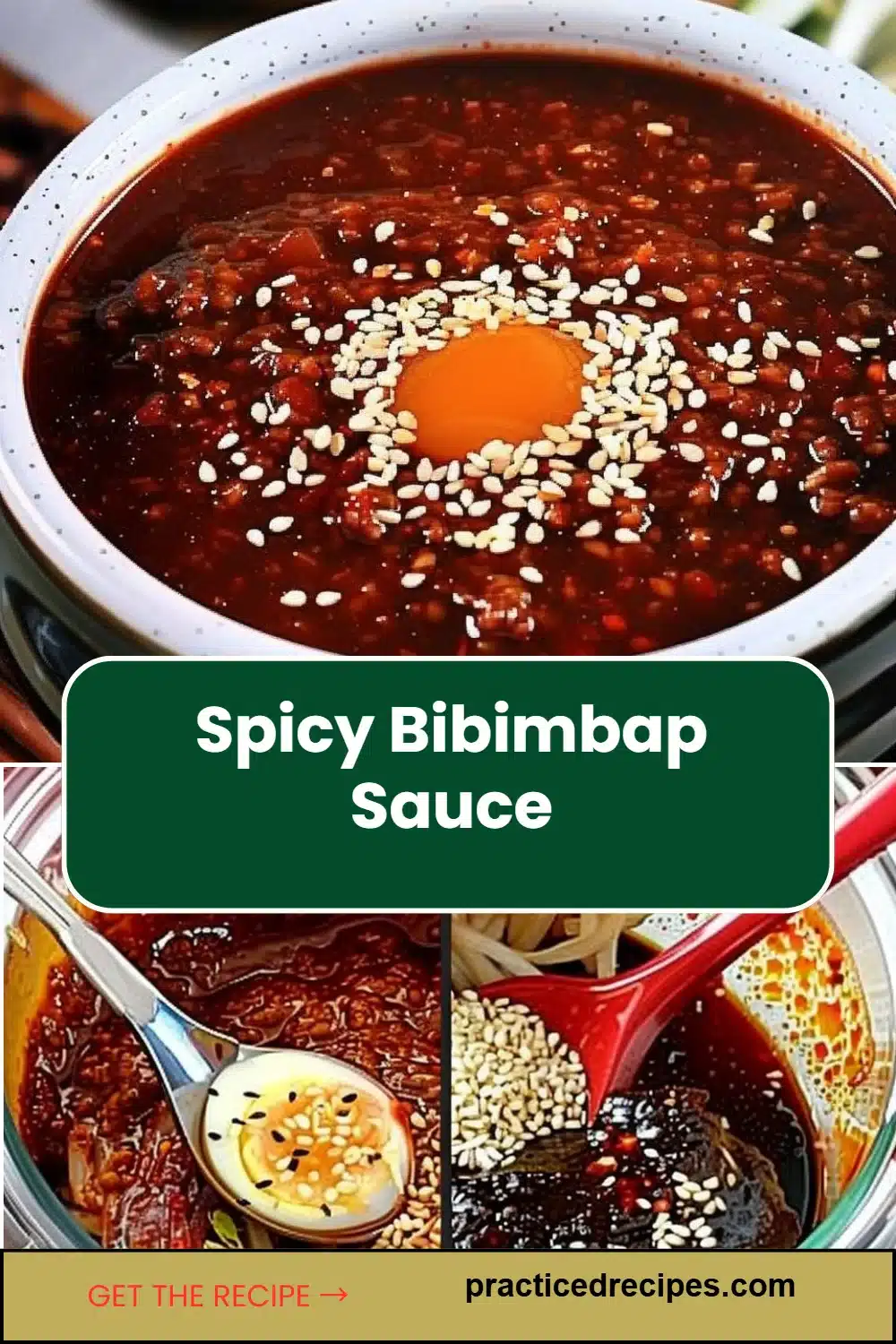
- 4 tablespoons gochujang (Korean red hot pepper paste)
- 2 tablespoons toasted sesame oil
- 2 tablespoons brown sugar
- 1 tablespoon soy sauce
- 1 tablespoon water
- 2 teaspoons rice vinegar
- 2 teaspoons minced garlic (about 2 cloves)
- 1 tablespoon toasted sesame seeds (optional)
Directions
- In a medium bowl, combine all the ingredients—gochujang, toasted sesame oil, brown sugar, soy sauce, water, rice vinegar, minced garlic, and sesame seeds if using.
- Whisk the ingredients together until fully combined and smooth. Make sure there are no lumps!
- Once mixed, cover the bowl with plastic wrap or transfer the sauce to a jar.
- Refrigerate the sauce for up to 2 weeks. If you have leftovers, you can also freeze the sauce for longer storage.
- Serve the sauce in a small bowl or use a condiment squeeze bottle for easy dispensing.
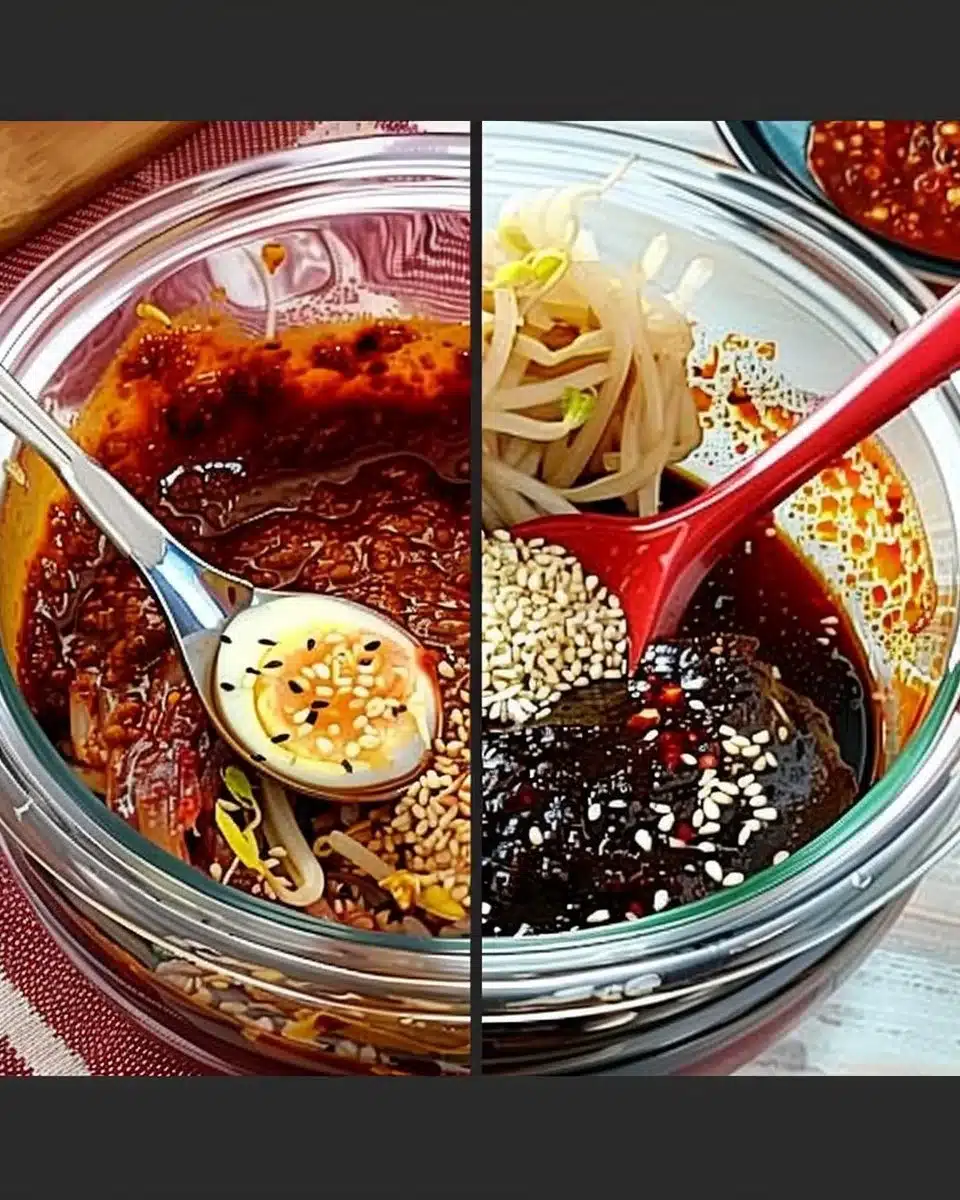
Pro Tips for Success with Korean Spicy Bibimbap Sauce
- Adjust the Heat: If you prefer a milder flavor, reduce the amount of gochujang. Conversely, if you love spicy food, feel free to add more.
- Fresh Garlic vs. Powdered: Fresh minced garlic provides a punchier flavor than garlic powder, so go for fresh if possible!
- Storage Container: Use airtight containers for best preservation. Glass jars work wonderfully and let you see how much you have left.
- Use Quality Ingredients: The flavor of your sauce depends on the quality of the gochujang and sesame oil, so opt for premium brands if you can.
- Experiment: Feel free to tweak the proportions to find the balance that suits your palate best. Cooking is all about personal taste!
Flavor Variations for Korean Spicy Bibimbap Sauce
- Citrus Zest: Adding a teaspoon of lemon or lime zest can brighten the sauce, providing a refreshing twist.
- Addition of Fresh Herbs: Minced green onions or cilantro can add a fresh flavor that complements the spiciness of the sauce.
- Miso Paste: For a deeper umami flavor, consider incorporating a tablespoon of miso paste to the mix.
- Honey or Maple Syrup: If you want a lighter sweetness, you can replace brown sugar with honey or maple syrup.
- Pepper Flakes: For an extra kick, sprinkle in some Korean red pepper flakes (gochugaru) along with the gochujang.
Serving Suggestions for Korean Spicy Bibimbap Sauce
Korean Spicy Bibimbap Sauce is incredibly versatile. Here are some delightful ways to incorporate it into your meals:
- Bibimbap: Of course, this sauce is traditional for bibimbap. Just drizzle it over your bowl of rice topped with sautéed vegetables, meat, and a fried egg for a complete dish.
- Grilled Meats: Use it as a marinade or dipping sauce for grilled chicken, pork, or beef. It enhances the flavors beautifully!
- Stir-fry: Add it to your stir-fried vegetables or noodles for a spicy kick.
- Salads: Mix it with some additional vinegar and oil to create a spicy dressing for an Asian-inspired salad.
- Tofu Dishes: Drizzle it over roasted or stir-fried tofu to add a delicious punch of flavor.
Storage and Freezing Instructions for Korean Spicy Bibimbap Sauce
To keep your Korean Spicy Bibimbap Sauce fresh, store it in an airtight container in the refrigerator. It should last for up to 2 weeks. If you want to make it in bulk and save it for later, consider freezing it. Portion it into ice cube trays and freeze. Once frozen, transfer the cubes to a freezer bag for easy access. This way, you can pull out the amount you need for various dishes, making it convenient for quick meals!
Nutrition Facts (Per Serving)
- Calories: Approximately 50
- Protein: 1g
- Carbohydrates: 7g
- Fat: 3g
- Fiber: 0g
- Sodium: 300mg
FAQ About Korean Spicy Bibimbap Sauce
What is gochujang, and where can I find it?
Gochujang is a Korean red pepper paste made from fermented soybeans, glutinous rice, red chili powder, and salt. It has a rich, sweet, and spicy flavor profile, making it essential for many Korean dishes. You can find gochujang in most Asian grocery stores or online. Look for it in the international aisle of your local supermarket as well.
Can I make this sauce gluten-free?
Yes! To make Korean Spicy Bibimbap Sauce gluten-free, simply substitute the soy sauce with tamari or a gluten-free soy sauce alternative. There are many flavorful gluten-free options available that will work well in this recipe.
How spicy is the sauce?
The spice level of Korean Spicy Bibimbap Sauce depends on the amount of gochujang you use. The traditional gochujang is moderately spicy, but you can adjust the amount to suit your heat tolerance. Feel free to experiment with smaller amounts until you get the heat just right for your taste buds.
Can I use this sauce on other dishes?
Absolutely! While it is a key component of bibimbap, this sauce can also enhance a variety of other dishes. Use it as a dipping sauce, a marinade, or even in stir-fry dishes for some added flavor. Its versatility makes it a wonderful condiment to have on hand.
How do I store leftovers?
Store any leftover Korean Spicy Bibimbap Sauce in an airtight container in the refrigerator for up to two weeks. If you have a large batch, you can freeze portions in ice cube trays and transfer them to a freezer bag for future use. Simply thaw the cubes as needed.
Final Thoughts
Korean Spicy Bibimbap Sauce is a fantastic addition to your culinary toolkit. With its bold flavors and versatility, it can elevate countless dishes, bringing a taste of Korea right into your kitchen. Whether you’re using it for bibimbap, grilled meats, or simply as a delightful dipping sauce, this recipe is sure to become a favorite. Grab your ingredients, whip up a batch, and experience the deliciousness for yourself! Happy cooking!
Print
Korean Spicy Bibimbap Sauce
- Total Time: 10 minutes
- Yield: 8 servings
- Diet: Vegan
Description
A vibrant and flavorful sauce that enhances a variety of dishes, especially bibimbap.
Ingredients
- 4 tablespoons gochujang (Korean red hot pepper paste)
- 2 tablespoons toasted sesame oil
- 2 tablespoons brown sugar
- 1 tablespoon soy sauce
- 1 tablespoon water
- 2 teaspoons rice vinegar
- 2 teaspoons minced garlic (about 2 cloves)
- 1 tablespoon toasted sesame seeds (optional)
Instructions
- In a medium bowl, combine all the ingredients—gochujang, toasted sesame oil, brown sugar, soy sauce, water, rice vinegar, minced garlic, and sesame seeds if using.
- Whisk the ingredients together until fully combined and smooth. Make sure there are no lumps!
- Once mixed, cover the bowl with plastic wrap or transfer the sauce to a jar.
- Refrigerate the sauce for up to 2 weeks. If you have leftovers, you can also freeze the sauce for longer storage.
- Serve the sauce in a small bowl or use a condiment squeeze bottle for easy dispensing.
Notes
Adjust the spice level by modifying the amount of gochujang. Fresh garlic enhances the flavor more than garlic powder.
- Prep Time: 10 minutes
- Cook Time: 0 minutes
- Category: Condiment
- Method: Mixing
- Cuisine: Korean