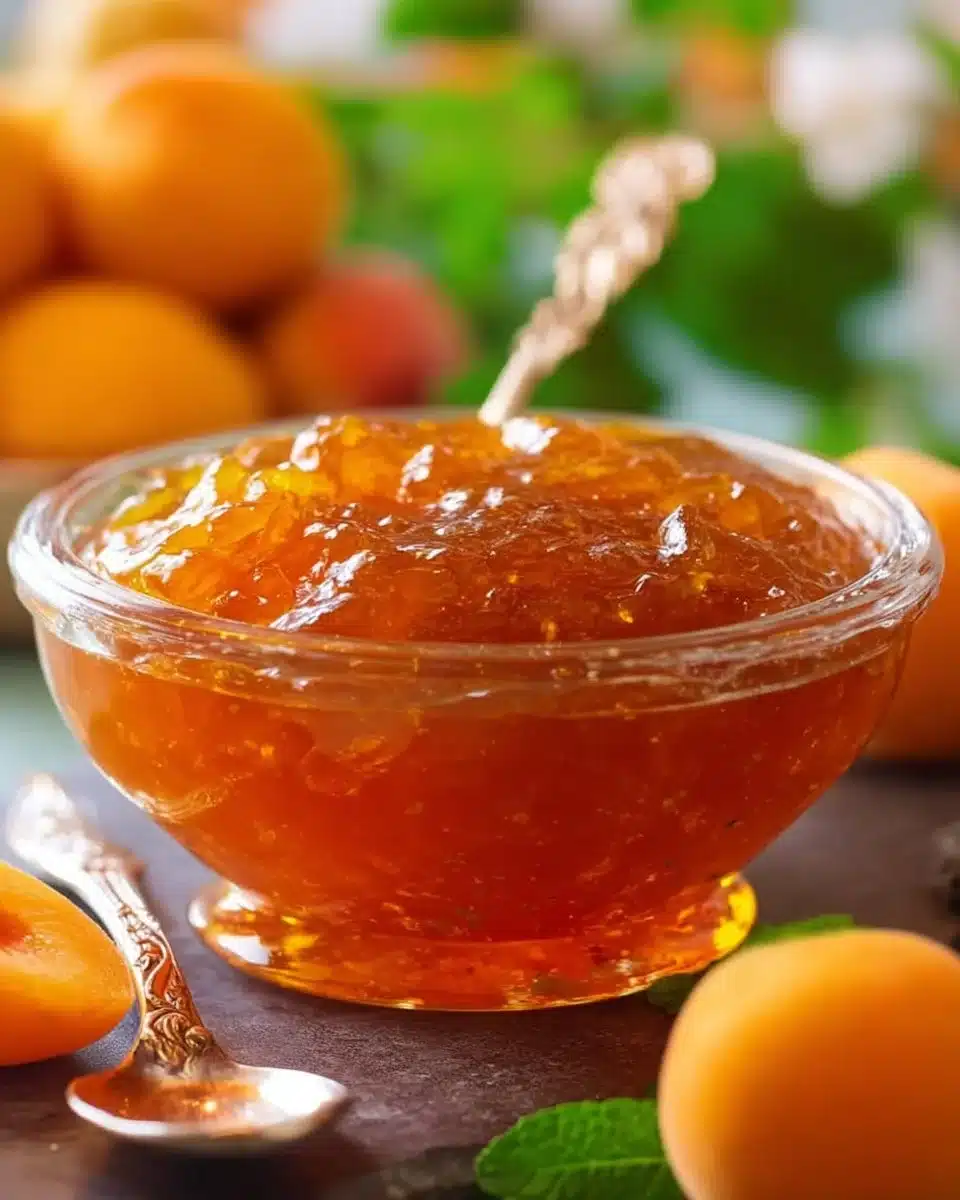
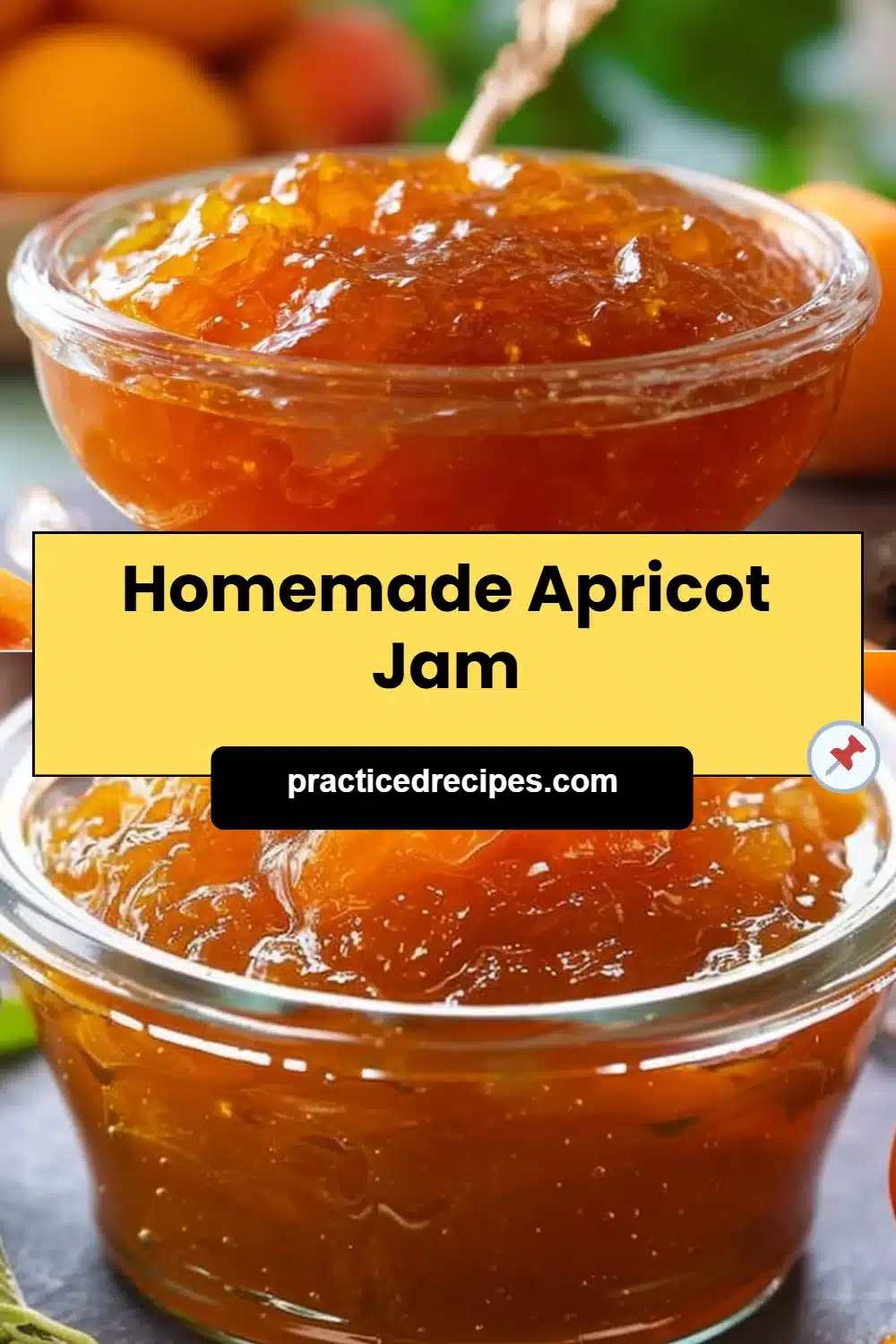
Homemade Apricot Jam is a bright, sun-kissed preserve that brings summer mornings to your table with a single spoonful. Making this jam at home is easier than you might think, and it rewards you with rich, fruity flavor and control over sweetness and texture. If you enjoy the satisfaction of putting up your own pantry staples, you might also like the way a long, slow-cooked dish comes together in our best homemade lasagna recipe, which is another great weekend kitchen project. Below you’ll find everything you need to make, store, and serve a jar (or several) of homemade apricot jam.
why make Homemade Apricot Jam
Apricots have a delicate balance of sweet and tart that translates beautifully into jam. Homemade Apricot Jam captures that fresh-fruit brightness in a spreadable form that’s far superior to many store-bought versions. Making your own lets you adjust sugar to taste, add a touch of lemon or vanilla for complexity, and preserve the season’s fruit so you can enjoy it year-round.
Homemade jam also connects you to the food’s source. When you pit and chop apricots yourself, you can use perfectly ripe fruit instead of fruit that’s been preprocessed. The process is simple enough for a beginner, rewarding enough for an experienced cook, and it’s a thoughtful, low-cost gift for friends and neighbors.
how to make Homemade Apricot Jam
Making jam is mostly about timing and attention. The basic idea is to combine chopped fruit, sugar, and a bit of acid (here, lemon juice) and cook until the mixture thickens. You’ll stir frequently at the start to dissolve the sugar, then boil steadily to concentrate flavors and create a jammy texture.
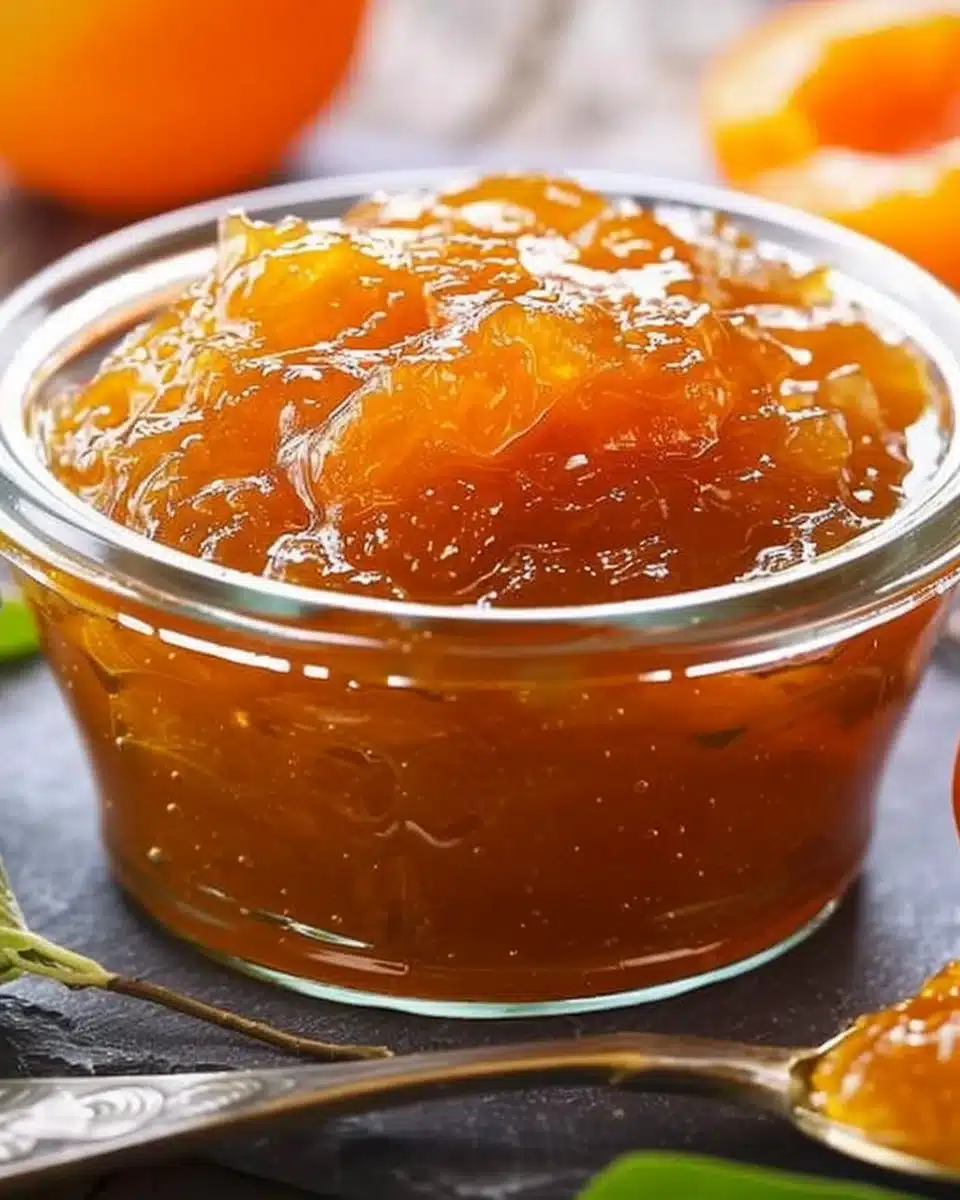
Begin with ripe but firm apricots; overripe fruit can be too soft and reduce the final yield. Chopping the apricots into uniform pieces helps them break down evenly during cooking. Keep a clean, cool plate in the freezer to test gelling as the jam cooks: a spoonful placed on the plate will “sheet” and hold its shape when the jam is ready.
If you want a smoother jam, use an immersion blender briefly off the heat after cooking to reach your desired consistency. If you prefer visible fruit pieces, stir less and stop cooking as soon as it reaches the right thickness. Sterilizing jars and filling them while the jam is hot creates a seal that preserves flavor and safety.
Ingredients :
- 2 pounds fresh apricots, pitted and chopped
- 2 cups granulated sugar
- 1/4 cup lemon juice
- 1 teaspoon vanilla extract (optional)
Ingredient notes and substitutions: If fresh apricots are not available, you can use frozen apricots that have been thawed and drained, though cooking time may vary. If you want to reduce sugar, try substituting up to 25% of the granulated sugar with a granulated sugar substitute designed for cooking, but expect a slightly different texture. Vanilla extract is optional—substitute with a small strip of lemon zest or a pinch of ground cardamom for a different aromatic profile.
Directions :
- In a large saucepan, combine the chopped apricots, sugar, lemon juice, and vanilla extract.
- Cook over medium heat until the mixture starts to boil, stirring often.
- Continue boiling for about 20-25 minutes until the jam thickens.
- To test if it’s ready, place a spoonful of the jam on a cold plate; if it holds its shape, it’s done.
- Pour the hot jam into sterilized jars and seal immediately.
- Let it cool completely before storing in the fridge.
Pro Tips for Success Homemade Apricot Jam
- Use ripe-but-firm fruit: Choose apricots that are fragrant and slightly soft but not mushy. Firm fruit breaks down predictably and yields better texture.
- Stir frequently at the start: Sugar can stick to the bottom of the pan and scorch; stir until dissolved and watch closely as it nears a boil.
- Test for set early and often: The cold-plate test is the best simple way to know when your jam is done—keep a small plate in the freezer for quick checks.
- Adjust sweetness to taste: If your apricots are very sweet, reduce sugar by up to 20% and cook a little longer to reach the right set.
- Sterilize jars and lids: Boil the jars or run them through a dishwasher cycle on high; hot jam poured into warm jars reduces the risk of breakage and improves shelf life.
- Cool jars upside down for a few minutes after sealing: This helps the lid to form a stronger vacuum seal (but then store upright once completely cool).
Flavor Variations Homemade Apricot Jam
- Apricot-Thyme: Add 1–2 sprigs of fresh thyme during cooking, removing them before canning for a rustic herbal note.
- Almond Apricot: Stir in 1/4 teaspoon almond extract near the end of cooking, or sprinkle chopped toasted almonds over jam-topped toast for texture.
- Ginger Apricot: Finely grate 1–2 teaspoons of fresh ginger into the pot for a warm, spicy contrast to the fruit’s sweetness.
- Apricot-Raspberry Blend: Replace up to one-third of the apricots with raspberries for a pretty color and slight tartness.
- Citrus-Boosted Apricot: Add a tablespoon of orange juice and a teaspoon of orange zest for a brighter, citrus-forward jam.
Serving Suggestions Homemade Apricot Jam
Homemade Apricot Jam is wonderfully versatile. Spread it on warm toast, bagels, or English muffins for a classic breakfast. It also makes a lovely glaze for grilled chicken or pork—brush it on during the last few minutes of cooking to create a glossy finish. Stir a spoonful into yogurt or cottage cheese to make an instant flavored breakfast or snack.
For gatherings, pair this jam with a cheese board: tangy goat cheese, brie, and aged cheddar all benefit from the sweet-fruit contrast. If you’re putting together a brunch, balance decadent dishes with fruity spreads—try serving the jam alongside scones, croissants, and lemon curd for variety, and consider adding a nostalgic treat such as our classic homemade Twinkie cake recipe to the dessert table for a playful finish.
Storage and Freezing Instructions Homemade Apricot Jam
Short-term: Once jars are sealed and cooled, store them in a cool, dark pantry for up to 6–12 months. After opening, refrigerate and use within 3–4 weeks for best flavor.
Long-term freezing: If you prefer freezing jam, pour cooled jam into freezer-safe containers leaving headspace for expansion and freeze for up to 12 months. Thawed jam may be slightly softer in texture but still delicious on toast or in recipes.
Safety notes: Always check sealed jars for vacuum after cooling—the center of the lid should be concave and not pop when pressed. If a jar fails to seal or if you notice cloudiness, off-odors, or mold after storage, discard the contents. Reboiling and re-canning can be done if there’s a minor failure, but when in doubt, throw it out.
Nutrition Facts (Per Serving)
Serving size: 1 tablespoon (about 20 grams)
- Calories: 45 kcal
- Protein: 0.1 g
- Carbohydrates: 11 g
- Fat: 0 g
- Fiber: 0.4 g
- Sodium: 2 mg
Nutrition notes: Values are estimates based on the recipe’s ingredients and a typical yield. Sugar is the main source of calories and carbohydrates in this jam, so enjoy it in moderation. Using slightly less sugar or swapping a portion for a cooking-friendly sweetener will change these values.
FAQ About Homemade Apricot Jam
How long will homemade apricot jam keep in the pantry?
Properly sealed jars stored in a cool, dark pantry can last 6 to 12 months. The acidity from the lemon juice and the high sugar content help preserve the jam. Once opened, refrigerate the jar and consume within 3–4 weeks for the best taste and safety. Always check for signs of spoilage such as mold, off smells, or a changed appearance before using.
Can I make this jam with frozen apricots?
Yes—use fully thawed apricots and drain any excess liquid before cooking. Frozen fruit may release more water when heated, so you might need to cook the jam slightly longer to reach the desired thickness. The texture might be a little softer compared to using fresh fruit, but the flavor will still be excellent.
Do I need pectin to make apricot jam?
No, this recipe relies on natural fruit pectin and sugar concentration to set. Apricots have a moderate amount of pectin, and if cooked to the proper stage they will thicken nicely. If you prefer a faster or firmer set, you can use a commercial pectin—follow package instructions but reduce cooking time accordingly.
How can I reduce the sugar without losing texture?
You can reduce sugar by up to about 20% and cook a little longer to concentrate the mixture for a set. Alternatively, use a commercial pectin designed for low-sugar preserves—these formulas allow lower sugar levels while still achieving a good set. Keep in mind that sugar acts as a preservative, so jams with less sugar may have a shorter pantry life and should be refrigerated.
What’s the best way to sterilize jars and lids?
Wash jars and lids in hot, soapy water and rinse well or run them through a dishwasher on a hot cycle. Before filling, warm the jars in a low oven or in a pot of simmering water so that hot jam won’t cause thermal shock. Boil lids briefly to soften any sealing compound, and keep lids hot until you’re ready to seal the jars. Proper sterilization reduces the risk of contamination and extends shelf life.
My jam didn’t set—what can I do?
If the jam remains runny after sufficient cooking and testing, you can re-boil it to reduce more liquid and re-test on a cold plate. Another option is to stir in a small amount of powdered pectin or a low-sugar pectin product following the manufacturer’s directions. Remember that some fruits take longer to set due to high water content—reduce liquid and try again rather than adding excessive pectin without guidance.
Can I can this jam using a water-bath canner?
Yes, water-bath canning is appropriate for high-acid preserves like jam. After filling sterilized jars, leave recommended headspace (usually 1/4 inch), wipe rims clean, apply lids, and process in a boiling water-bath canner for the time recommended by safe canning guidelines for your altitude. Processing times vary by jar size and location, so consult a reliable canning resource for exact timings.
Is there a way to make this jam low-sugar for diabetics?
For people managing blood sugar, consider using a low-calorie sweetener made for cooking or reducing the sugar and using a pectin designed for low-sugar preserves. Keep in mind that reducing sugar also affects preservation and texture; low-sugar jams should be refrigerated and consumed more quickly. Always consult a healthcare provider for personalized dietary advice if you have health concerns.
Final Thoughts
Homemade Apricot Jam is a simple project that brings big flavor to breakfasts, snacks, and desserts. With just a few pantry staples and a little patience at the stove, you’ll have jars of fruity goodness to enjoy and share. Whether you keep your jam chunky or smooth, infused with herbs or warmed with spice, this recipe is a reliable, flexible way to preserve a taste of summer.
Print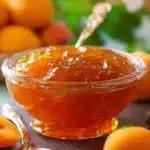
Homemade Apricot Jam
- Total Time: 40 minutes
- Yield: 4 servings
- Diet: Vegetarian
Description
A bright, sun-kissed preserve that brings summer mornings to your table, this Homemade Apricot Jam is flavorful and easy to make at home.
Ingredients
- 2 pounds fresh apricots, pitted and chopped
- 2 cups granulated sugar
- 1/4 cup lemon juice
- 1 teaspoon vanilla extract (optional)
Instructions
- Combine the chopped apricots, sugar, lemon juice, and vanilla extract in a large saucepan.
- Cook over medium heat until the mixture starts to boil, stirring often.
- Continue boiling for about 20-25 minutes until the jam thickens.
- Test if it’s ready by placing a spoonful of the jam on a cold plate; if it holds its shape, it’s done.
- Pour the hot jam into sterilized jars and seal immediately.
- Let it cool completely before storing in the fridge.
Notes
Use ripe-but-firm apricots for best results. Adjust sweetness to taste and sterilize jars to ensure long shelf life.
- Prep Time: 15 minutes
- Cook Time: 25 minutes
- Category: Preserve
- Method: Canning
- Cuisine: American