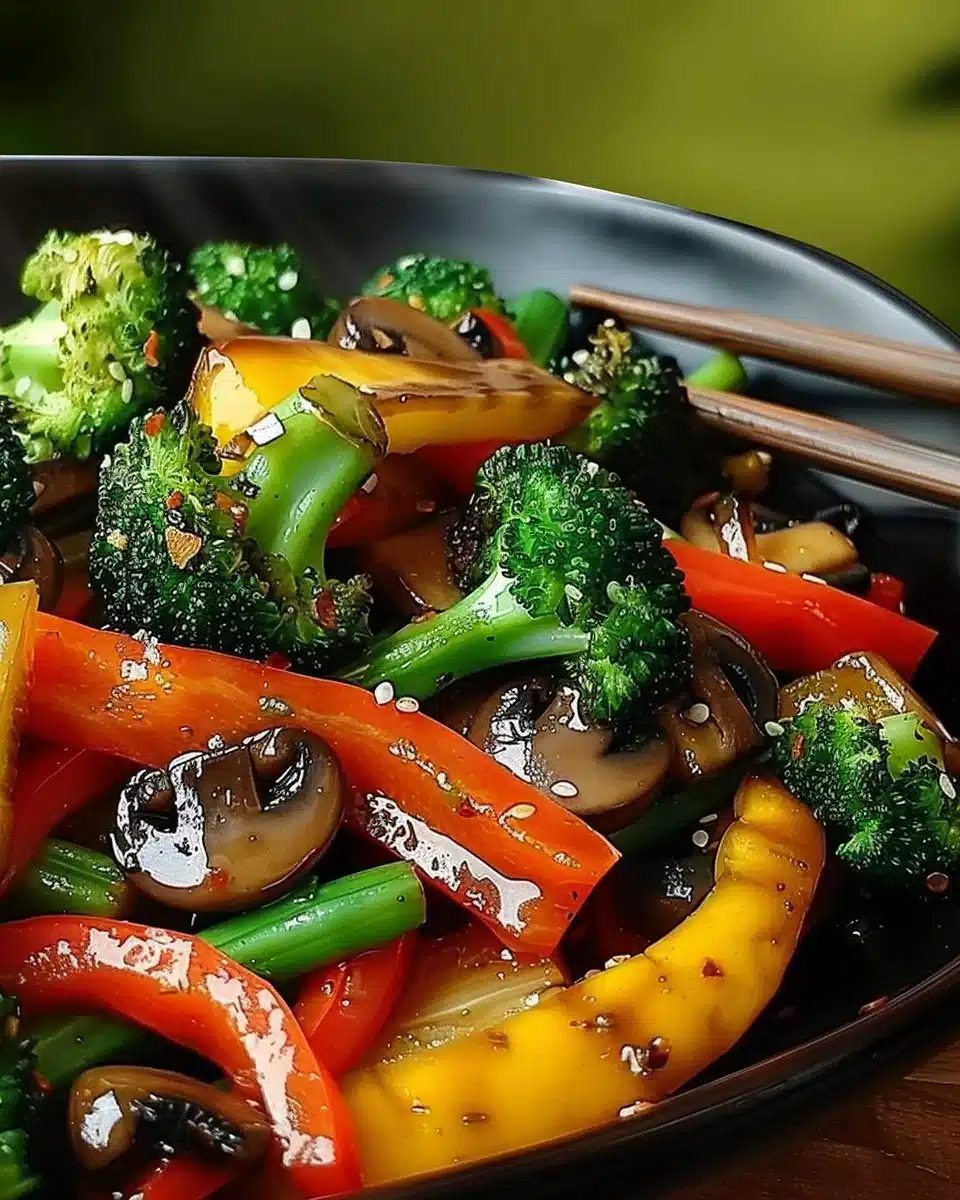
Healthy Sautéed Vegetables are a fast, colorful, and nutritious way to add more vegetables to your meals while keeping flavor and texture front and center. This versatile dish works as a side, a light main, or a base for bowls and wraps, and it’s easy to adapt to whatever’s in your fridge. If you’re feeding picky eaters or trying to get dinner on the table quickly, these vegetables deliver both convenience and nutrients — and if you need ideas for kid-friendly meals to pair with them, check our guide to healthy toddler breakfast ideas for more family-minded recipes.
Sautéing is one of the simplest cooking techniques: quick, stovetop, and forgiving. By starting with the right oil temperature, cutting vegetables into similar-sized pieces, and seasoning at the right moments, you’ll get crisp-tender veggies with bright color and concentrated flavor. This recipe focuses on a rainbow of common produce — bell pepper, zucchini, broccoli, carrots, snap peas, mushrooms, onion, and garlic — and offers optional finishing touches like lemon juice, balsamic, or grated Parmesan for depth.
Whether you’re meal-prepping for the week, looking for a low-calorie dinner companion, or trying to boost your vegetable intake, this Healthy Sautéed Vegetables recipe is approachable, adaptable, and packed with flavor. Read on for ingredient notes, step-by-step directions, storage tips, variations, and answers to common questions.
Why make this recipe
Sautéed vegetables are an easy win for everyday cooking. They take just minutes, require minimal equipment, and deliver a nutrient-dense plate without much fuss. This recipe is ideal when you want something:
- Quick: Ready in about 15–20 minutes from start to finish.
- Flexible: Use fresh or leftover vegetables, and swap in what’s seasonal or on hand.
- Nutrient-packed: A variety of vegetables supplies vitamins, minerals, fiber, and phytonutrients.
- Low-prep: No need for long roasting times, special tools, or complicated sauces.
Beyond convenience, sautéing concentrates flavor by encouraging caramelization — those little browned edges add savory depth. Because the vegetables cook quickly, they retain more texture and color than boiled alternatives. This makes sautéed vegetables excellent alongside proteins, tossed into pasta or grain bowls, or folded into omelets and frittatas for a bright, nutritious boost.
How to make Healthy Sautéed Vegetables
This section walks you through the approach behind the recipe: simple prep, proper pan technique, and timing so each vegetable cooks to the right doneness. The key elements are uniform cutting, a hot pan, and layering vegetables by cook time.
Start by prepping all vegetables: mince the garlic, thinly slice the onion, cut bell pepper into strips, half-moon the zucchini, break broccoli into small florets, julienne or thinly slice the carrot, trim snap peas, and slice mushrooms. Heat your oil over medium-high heat until shimmering but not smoking. Begin with aromatics like onion and garlic for a minute, then add heartier vegetables like carrots and broccoli so they have time to soften. Add quicker-cooking items — zucchini, bell pepper, mushrooms, snap peas — toward the end so everything finishes at the same moment. Finish with a splash of lemon juice or balsamic for brightness and optional toppings to add crunch and flavor contrast.
Keep the pan temperature high enough for gentle browning but low enough to avoid burning. If the pan gets crowded, reduce the heat a touch or cook in two batches to maintain caramelization and texture. Taste and season with salt and pepper, and enjoy immediately for the best color and bite.
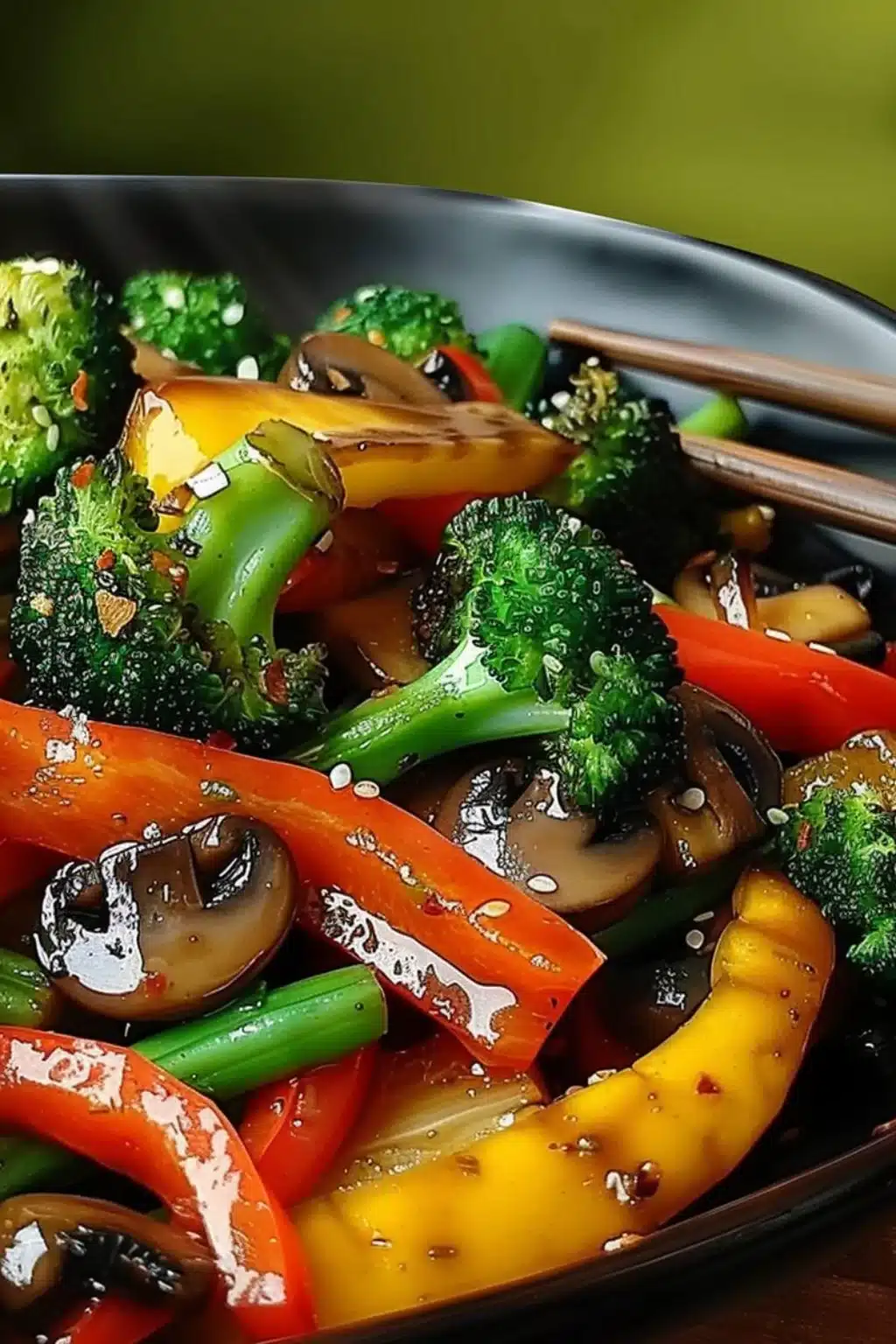
Ingredients :
- 2 tbsp olive oil (or avocado oil/butter)
- 2 cloves garlic, minced
- 1 small onion, thinly sliced
- 1 medium bell pepper, sliced
- 1 medium zucchini, sliced into half-moons
- 1 cup broccoli florets
- 1 medium carrot, julienned or sliced thin
- ½ cup snap peas
- ½ cup mushrooms, sliced
- Salt and black pepper, to taste
- 1 tsp lemon juice (optional)
- 1 tsp balsamic vinegar or soy sauce (optional)
- Optional toppings: toasted nuts, seeds, fresh herbs, grated Parmesan
Ingredient notes and substitutions:
- Oil: Use olive oil for classic flavor, avocado oil for higher smoke point, or a small pat of butter for richness. For a dairy-free version, skip butter.
- Garlic and onion: These are flavor foundations; shallots can be used instead for a milder, sweeter profile.
- Vegetables: This mix is a guideline — swap in asparagus, kale, cauliflower, green beans, or sliced sweet potato (adjust cooking times). Frozen vegetables work in a pinch; thaw and pat dry first.
- Sauce: Replace balsamic with a splash of low-sodium soy sauce or tamari for an umami boost. If avoiding soy or vinegar, use a squeeze of citrus and a pinch of salt.
- Cheese: Parmesan adds savory depth; omit for a vegan dish or use nutritional yeast for cheesy notes.
- Nuts/seeds: Toasted almonds, pine nuts, or sesame seeds add texture and healthy fats.
Directions :
Preparation
- Gather all ingredients and rinse vegetables. Pat dried vegetables dry to encourage browning.
- Mince the garlic and thinly slice the onion. Chop the bell pepper, half-moon the zucchini, julienne or thinly slice the carrot, cut broccoli into even florets, trim snap peas, and slice the mushrooms. Aim for similar-sized pieces to ensure even cooking.
- Season the vegetables lightly with salt so they release some moisture and develop flavor as they cook.
Cooking
- Heat a large skillet or skillet over medium-high heat. Add 2 tablespoons of olive oil (or your chosen oil) and let it shimmer.
- Add the sliced onion and sauté for 2–3 minutes until beginning to soften. Add the minced garlic and cook for about 30 seconds until fragrant — don’t let it brown too much.
- Add the denser vegetables, starting with the carrot and broccoli. Sauté for about 3–4 minutes, stirring occasionally, until they begin to develop light golden edges.
- Add the bell pepper, zucchini, and mushrooms. Continue to cook for another 3–4 minutes, stirring frequently so the vegetables get even color.
- Add the snap peas in the final 1–2 minutes — they only need a quick toss to stay crisp-tender.
- If desired, splash in 1 teaspoon balsamic vinegar or soy sauce and 1 teaspoon lemon juice to deglaze the pan and lift the flavors. Taste and season with additional salt and freshly ground black pepper as needed.
- Remove from heat and finish with optional toppings such as freshly chopped herbs, toasted nuts or seeds, or a light sprinkle of grated Parmesan.
Serve hot for the best texture; if you let the vegetables sit, they will continue to soften. Leftovers reheat well and can be transformed into new meals.
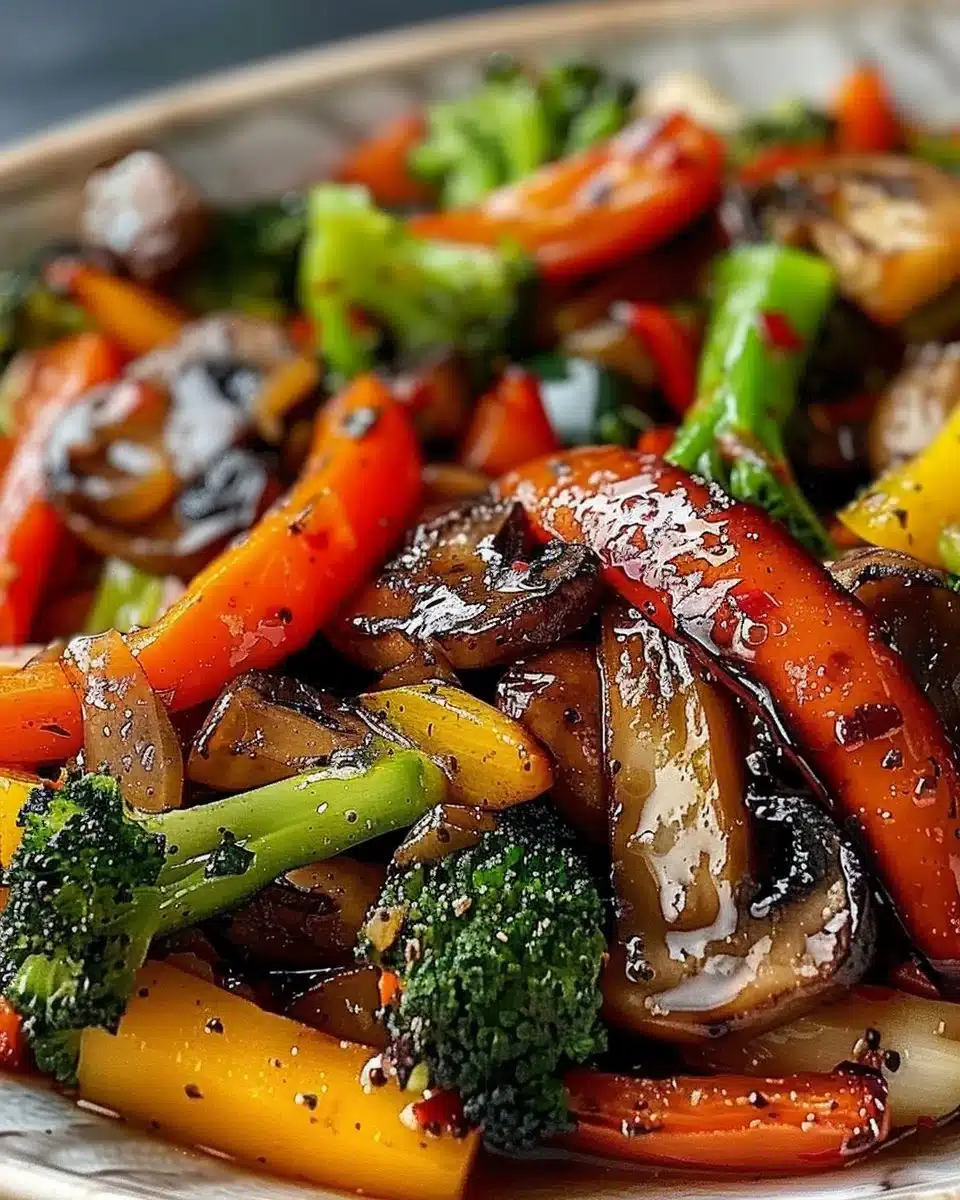
Pro Tips for Success Healthy Sautéed Vegetables
- Cut uniformly: Aim for similar-sized pieces so broccoli, zucchini, and carrots finish at the same time. Thin slices cook faster and more evenly.
- Keep the pan hot: A well-heated pan helps moisture evaporate quickly and encourages browning instead of steaming. If you notice too much liquid, increase the heat slightly or cook in two batches.
- Don’t overcrowd: Crowding creates steam and soft, pale vegetables. Leave room in the pan so pieces can get direct contact with the hot surface.
- Timing matters: Add vegetables in stages — hard ones first (carrots, broccoli), then softer ones (zucchini, bell pepper), and the most delicate last (snap peas, leafy greens).
- Season gradually: Season lightly early on and adjust at the end. A finishing splash of acid (lemon or vinegar) brightens flavors far more efficiently than more salt alone.
- Use high-smoke-point oils for higher heat: If you like strong browning, choose avocado oil or clarified butter to reduce the risk of burning.
Flavor Variations Healthy Sautéed Vegetables
- Mediterranean: Add a teaspoon of dried oregano, a pinch of crushed red pepper, and finish with lemon zest and crumbled feta or olives. A little caper or sun-dried tomato can add tang.
- Asian-inspired: Swap balsamic for tamari or soy sauce plus a small drizzle of sesame oil. Finish with sliced scallions, toasted sesame seeds, and a sprinkle of chili flakes or grated ginger when cooking garlic.
- Garlic-herb: Increase garlic to 3 cloves and finish with a handful of chopped fresh parsley, basil, or thyme. A light shower of lemon juice and a drizzle of extra-virgin olive oil brightens the plate.
- Smoky-sweet: Add a pinch of smoked paprika and finish with a teaspoon of maple syrup or honey for a balanced sweet-smoky glaze. Great with roasted nuts sprinkled on top.
- Spicy kick: Stir in a diced fresh jalapeño with the onions or finish with a dash of hot sauce for heat.
Each variation tweaks the base recipe slightly but uses the same quick sauté method. Adjust the aromatics and finishing touches to suit the flavor profile you want.
Serving Suggestions Healthy Sautéed Vegetables
- As a side: Serve alongside grilled chicken, fish, or tofu for a balanced plate. The veggies complement protein-rich mains without overpowering them.
- Over grains: Spoon over brown rice, quinoa, farro, or couscous and top with a drizzle of extra virgin olive oil or tahini for a filling bowl.
- In wraps or sandwiches: Combine with hummus or mashed avocado and roll in a tortilla or flatbread for a portable lunch.
- Toss with pasta: Stir the sautéed vegetables into hot pasta with a splash of reserved pasta water and a sprinkle of Parmesan or nutritional yeast.
- For breakfast: Fold into an omelet, frittata, or scramble for a nutrient-boosted morning meal.
- Grain bowls and salads: Chill, then add to salads or grain bowls for a simple meal-prep ingredient that keeps well.
Storage and Freezing Instructions Healthy Sautéed Vegetables
Short-term storage:
- Refrigerate cooled vegetables in an airtight container for up to 4 days. Keep any dressings or fresh herbs separate when possible to maintain texture.
- To reheat, warm gently in a skillet over medium heat for a couple of minutes, or microwave in short intervals, stirring between each interval to avoid overcooking.
Freezing:
- While sautéed vegetables can be frozen, texture will change after thawing — softer vegetables like zucchini and mushrooms may become mushy. If you plan to freeze, blanch denser vegetables (broccoli and carrot) briefly before sautéing to preserve texture.
- Freeze in portions in freezer-safe containers or heavy-duty freezer bags for up to 3 months. To use, thaw in the refrigerator overnight and reheat gently in a pan. Add fresh ingredients like snap peas or herbs when reheating to revive freshness.
Meal-prep tip:
- Store portions in meal-sized containers and add a fresh squeeze of lemon or a handful of herbs just before serving to revive brightness. Toasted nuts or seeds added at serving time will retain their crunch.
Nutrition Facts (Per Serving) — approximate (serves 4)
- Calories: 120 kcal
- Protein: 3 g
- Carbohydrates: 12 g
- Fat: 7 g
- Fiber: 3 g
- Sodium: 140 mg
Notes on nutrition: Values are estimates based on the ingredient list and a total yield divided into four servings. Using less oil reduces calories and fat. Adding Parmesan increases sodium and protein slightly; using low-sodium soy sauce will affect the sodium number. For more precise counts, plug your exact brands and portions into a nutrition calculator.
FAQ About Healthy Sautéed Vegetables
What makes sautéed vegetables “healthy”?
Sautéed vegetables are considered healthy primarily because they concentrate whole-food ingredients — a variety of vegetables rich in fiber, vitamins (like vitamin C and A), minerals, and antioxidants. Sautéing with a moderate amount of heart-healthy oil, such as olive or avocado oil, preserves nutrients better than deep frying and enhances the absorption of fat-soluble vitamins. The method is also low in added sugars and refined starches, and you control the salt and seasonings. Portion and oil choice matter, but overall this is a nutrient-dense, lower-calorie way to enjoy many vegetables.
Can I use frozen vegetables for this recipe?
Yes — frozen vegetables can be a convenient and nutritious alternative, especially when fresh produce isn’t available. Thaw and thoroughly pat them dry before sautéing to reduce excess moisture and avoid steaming. Some vegetables like broccoli, carrots, and peas freeze and reheat better than zucchini or mushrooms, which can become softer after freezing. If using a mix of frozen vegetables, cook them briefly over higher heat to encourage some browning and to evaporate moisture for better texture.
How do I prevent my vegetables from becoming soggy?
Soggy vegetables usually result from overcrowding the pan, cooking at too low a heat, or adding moisture-heavy ingredients too early. Use a hot pan and avoid stuffing too many pieces at once — work in batches if needed so each piece has contact with the hot surface. Dry vegetables well before cooking, and add leafy or delicate vegetables last. A quick, high-heat cook helps caramelize surfaces and preserve a crisp-tender bite.
Are sautéed vegetables good for meal prep?
Sautéed vegetables are excellent for meal prep, especially when you plan to eat them within a few days. Store cooled portions in airtight containers and reheat gently to preserve texture. For freezing, be mindful that some vegetables will get softer after thawing; consider quick blanching of denser vegetables before sautéing, or reserve delicate veggies to add fresh later. Adding fresh herbs, citrus, or toasted nuts at the time of serving helps refresh reheated vegetables.
How can I add more protein to make this a full meal?
To turn sautéed vegetables into a protein-forward meal, add cooked beans (chickpeas or cannellini), pan-seared tofu or tempeh, grilled chicken, or flaked fish. Tossing the vegetables with cooked quinoa, farro, or lentils also adds protein and makes the dish more substantial. For quick options, stir in cooked edamame or top with a soft-boiled egg for extra protein and richness.
Can children eat these sautéed vegetables? How to make them more appealing?
Yes — cooked this way, vegetables are often more appealing to kids because the natural sweetness increases as they cook and the texture remains tender. To make them kid-friendly, keep pieces bite-sized, use familiar seasonings like a light butter and garlic or a touch of Parmesan, and avoid overwhelming heat with strong spices. Presenting them mixed into rice, pasta, or a quesadilla can make them feel more familiar. Let kids help pick or toss the vegetables — involvement often increases willingness to eat.
Final Thoughts
Healthy Sautéed Vegetables are a speedy, adaptable, and nourishing addition to weeknight dinners, meal-prep plans, or last-minute side dishes. With a short ingredient list and simple technique, this recipe encourages creativity: swap vegetables by season, alter flavor profiles with a few pantry staples, and use leftovers to build new meals. The method rewards attention to heat and timing, and a quick finishing splash of acid or sprinkle of fresh herbs transforms the dish.
If you keep a few staple vegetables, an aromatic or two, and a good skillet, you’ll find this recipe becomes a reliable cornerstone of balanced, flavorful cooking. Give it a try tonight — the colors, textures, and bright flavors are likely to become a regular on your meal rotation.
Print
Healthy Sautéed Vegetables
- Total Time: 20 minutes
- Yield: 4 servings
- Diet: Vegetarian
Description
A fast, colorful, and nutritious way to add more vegetables to your meals, perfect as a side, light main, or base for bowls and wraps.
Ingredients
- 2 tbsp olive oil (or avocado oil/butter)
- 2 cloves garlic, minced
- 1 small onion, thinly sliced
- 1 medium bell pepper, sliced
- 1 medium zucchini, sliced into half-moons
- 1 cup broccoli florets
- 1 medium carrot, julienned or sliced thin
- ½ cup snap peas
- ½ cup mushrooms, sliced
- Salt and black pepper, to taste
- 1 tsp lemon juice (optional)
- 1 tsp balsamic vinegar or soy sauce (optional)
- Optional toppings: toasted nuts, seeds, fresh herbs, grated Parmesan
Instructions
- Gather all ingredients and rinse vegetables. Pat dried vegetables dry to encourage browning.
- Mince the garlic and thinly slice the onion. Chop the bell pepper, half-moon the zucchini, julienne or thinly slice the carrot, cut broccoli into even florets, trim snap peas, and slice the mushrooms.
- Season the vegetables lightly with salt.
- Heat a large skillet over medium-high heat, add oil and let it shimmer.
- Add onion and sauté for 2–3 minutes, then add minced garlic and cook for about 30 seconds.
- Add carrot and broccoli, sauté for 3–4 minutes.
- Add bell pepper, zucchini, and mushrooms; continue cooking for another 3–4 minutes.
- Add snap peas in the final 1–2 minutes to keep them crisp-tender.
- Finish with optional balsamic vinegar or soy sauce and lemon juice; taste and season with salt and pepper.
- Serve hot with optional toppings.
Notes
Sautéed vegetables are flexible; feel free to swap in seasonal vegetables or proteins. Use high-smoke-point oils for optimal browning.
- Prep Time: 10 minutes
- Cook Time: 10 minutes
- Category: Side Dish
- Method: Sautéing
- Cuisine: American