
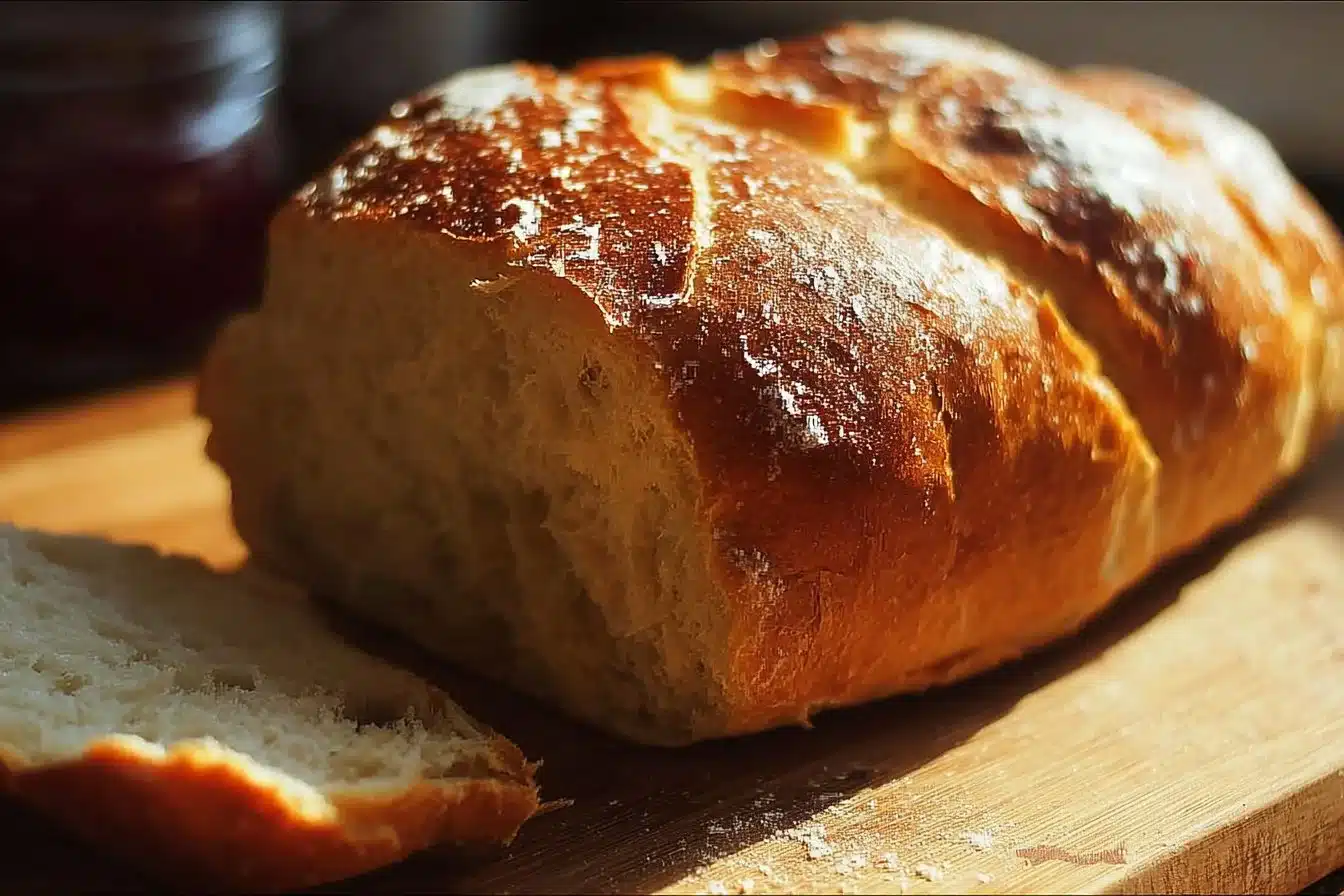
German bread is a cherished staple that brings warmth and comfort to the table. With its hearty texture and rich flavor, it’s a delightful addition to any meal. Whether paired with soups, sandwiches, or simply enjoyed with butter, this bread is sure to impress.
Why Make This Recipe
Crafting your own German bread at home allows you to experience the satisfaction of baking while controlling the ingredients. Freshly baked bread fills your home with a tantalizing aroma that simply cannot be matched by store-bought options. Additionally, this recipe is straightforward, making it accessible for bakers of all levels. The ingredients are also quite basic, meaning you can likely whip this up with what you already have in your pantry.
How to Make German Bread
Let’s get started on making this wonderful German bread. With just a few ingredients and a little bit of time, you’ll have a beautiful loaf fresh from your oven.
Ingredients
- 2 cups all-purpose flour
- 1 cup warm water
- 1 teaspoon instant yeast
- 1 teaspoon salt
- 1 tablespoon sugar (optional)
- 1 tablespoon olive oil (optional)
Directions
- In a large bowl, mix the all-purpose flour, instant yeast, salt, and sugar.
- Add warm water and olive oil to the dry ingredients and mix until a dough forms.
- Knead the dough on a floured surface for about 1-2 minutes, forming a smooth ball.
- Let the dough rest for 10 minutes.
- Preheat your oven to 375°F (190°C).
- Shape the dough into a loaf and place it in a greased baking pan.
- Bake for 25-30 minutes or until the crust is golden brown and sounds hollow when tapped.
- Allow to cool slightly before slicing and enjoy!

Pro Tips for Success with German Bread
- Use Quality Ingredients: Fresh ingredients can make a big difference in taste. Opt for high-quality flour and fresh yeast for the best results.
- Adjust Water Temperature: Make sure your water is warm (not hot) to properly activate the yeast without killing it.
- Knead Thoroughly: Kneading helps develop the gluten, giving your bread the right texture. Don’t rush this step.
- Perfect Resting Time: Allowing the dough to rest helps it rise better. Patience here is key!
- Check for Doneness: Use the “hollow tap” method. If the loaf sounds hollow when tapped on the bottom, it’s done.
- Experiment with Shape: Don’t feel restricted to a loaf shape; try rolls, baguettes, or a round boule for variety.
Flavor Variations for German Bread
- Herb Infusion: Add mixed dried herbs like rosemary or thyme to the dough for an aromatic twist.
- Seeded Crust: Sprinkle sesame or poppy seeds on top of the loaf before baking for added texture and flavor.
- Cheese Delight: Incorporate grated cheese into the dough for a cheesy flavor—cheddar or mozzarella work beautifully.
- Spicy Kick: Add a teaspoon of chili flakes or crushed garlic to the dough for a spicy version.
- Sweet Option: Include a touch of cinnamon or nutmeg and a handful of raisins for a sweeter variation.
Serving Suggestions for German Bread
German bread is incredibly versatile. Here are some serving ideas:
- With Soups: Serve alongside a steaming bowl of vegetable soup or hearty potato chowder. The bread is perfect for dipping!
- As Sandwiches: Use slices to craft delicious sandwiches; great combinations include turkey and Swiss or ham with mustard.
- With Cheese: Pair with an assortment of cheeses and charcuterie for a delightful snack or appetizer.
- Break with Breakfast: Enjoy fresh slices with butter and jam, or top with your favorite breakfast spread.
- For Toasting: Lightly toast slices and top with avocado or a fried egg for a simple yet satisfying breakfast.
Storage and Freezing Instructions for German Bread
To keep your German bread fresh, store it in a bread box or wrap it in a clean kitchen towel at room temperature. If you plan to keep it longer, consider freezing. Here’s how:
- For Short Term: Store at room temperature for up to three days.
- For Long Term: Slice the bread and wrap it tightly in plastic wrap, then place it in a freezer bag. It can last up to three months in the freezer. When ready to use, simply thaw it at room temperature or toast directly from the freezer.
Nutrition Facts (Per Serving)
| Nutrient | Amount |
|—————|————–|
| Calories | 150 |
| Protein | 4g |
| Carbohydrates | 28g |
| Fat | 2g |
| Fiber | 1g |
| Sodium | 180mg |
FAQ About German Bread
What makes German bread different from other types of bread?
German bread often has a denser texture due to the different flours used, like rye or whole wheat. Moreover, German bread usually features a crust that is both firm and thick, adding a delightful crunch when baked correctly.
Can I use whole wheat flour in this recipe?
Yes, you can substitute part of the all-purpose flour with whole wheat flour. However, you may need to adjust the amount of water since whole wheat flour absorbs more moisture. Start with a 50/50 mix for the best results or adjust according to your preferences.
Is this bread suitable for people with gluten intolerance?
This particular recipe contains wheat flour, which is not suitable for those with gluten intolerance. However, you can experiment with gluten-free flour blends designed for bread-baking, ensuring to follow the manufacturer’s guidelines for liquid adjustments.
How can I tell if my bread has gone bad?
Bread typically shows signs of mold growth or a stale smell when it’s not good anymore. A slight dryness is normal, but any signs of green, blue, or black mold mean it’s time to toss it. Always check before consuming.
Can I add other ingredients to the dough?
Absolutely! You can get creative by adding nuts, seeds, or dried fruits to the dough before kneading. This not only elevates the flavor but also adds nutritional depth.
Final Thoughts
Homemade German bread is a rewarding project that yields delicious results. The smell of fresh bread filling your kitchen is an experience in itself. Plus, with simple ingredients and straight-to-the-point directions, this recipe allows everyone to partake in the joy of baking. Whether you share it with loved ones or savor it yourself, this bread is sure to bring smiles all around.
So roll up your sleeves and enjoy the baking journey—happy bread-making!
Print
German Bread
- Total Time: 45 minutes
- Yield: 1 loaf
- Diet: Vegetarian
Description
A delightful homemade German bread with a hearty texture and rich flavor. Perfect for pairing with soups, sandwiches, or simply enjoying with butter.
Ingredients
- 2 cups all-purpose flour
- 1 cup warm water
- 1 teaspoon instant yeast
- 1 teaspoon salt
- 1 tablespoon sugar (optional)
- 1 tablespoon olive oil (optional)
Instructions
- In a large bowl, mix the all-purpose flour, instant yeast, salt, and sugar.
- Add warm water and olive oil to the dry ingredients and mix until a dough forms.
- Knead the dough on a floured surface for about 1-2 minutes, forming a smooth ball.
- Let the dough rest for 10 minutes.
- Preheat your oven to 375°F (190°C).
- Shape the dough into a loaf and place it in a greased baking pan.
- Bake for 25-30 minutes or until the crust is golden brown and sounds hollow when tapped.
- Allow to cool slightly before slicing and enjoy!
Notes
For best results, use high-quality ingredients and ensure the water is warm but not hot. Knead thoroughly and allow the dough to rest for optimal rising.
- Prep Time: 15 minutes
- Cook Time: 30 minutes
- Category: Bread
- Method: Baking
- Cuisine: German