introduction: Garlic Scape Pesto is a bright, garlicky twist on classic pesto that celebrates the short spring season when scapes are fresh and abundant. If you’re looking for a flavorful, easy-to-make sauce to boost weeknight meals and springtime produce, this Garlic Scape Pesto delivers bold aroma and creamy texture with minimal fuss. For a quick dinner idea that pairs perfectly with this pesto, try pairing it with a simple garlic Parmesan pasta recipe like the one in this 5-ingredient garlic Parmesan pasta to let the scapes shine.
why make this recipe
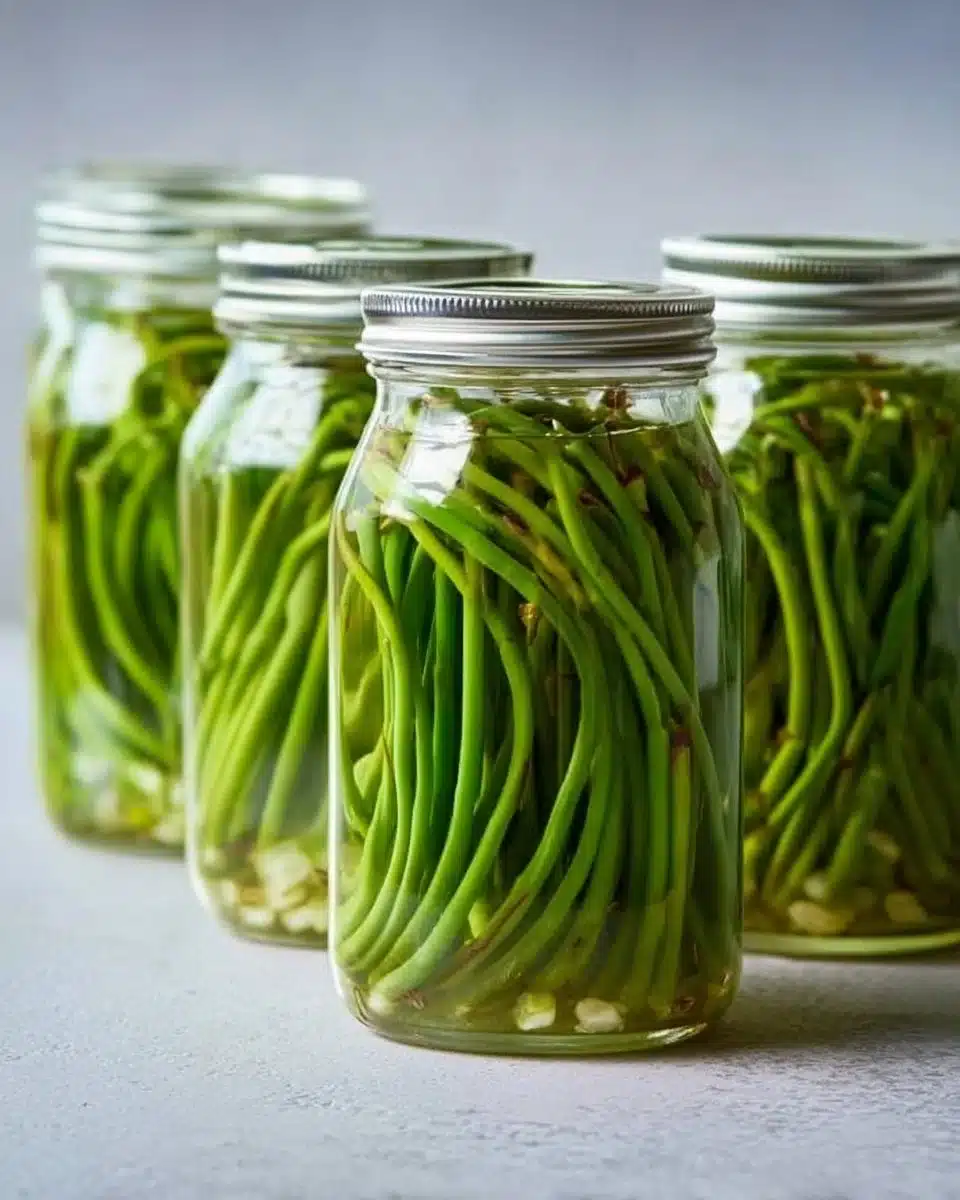
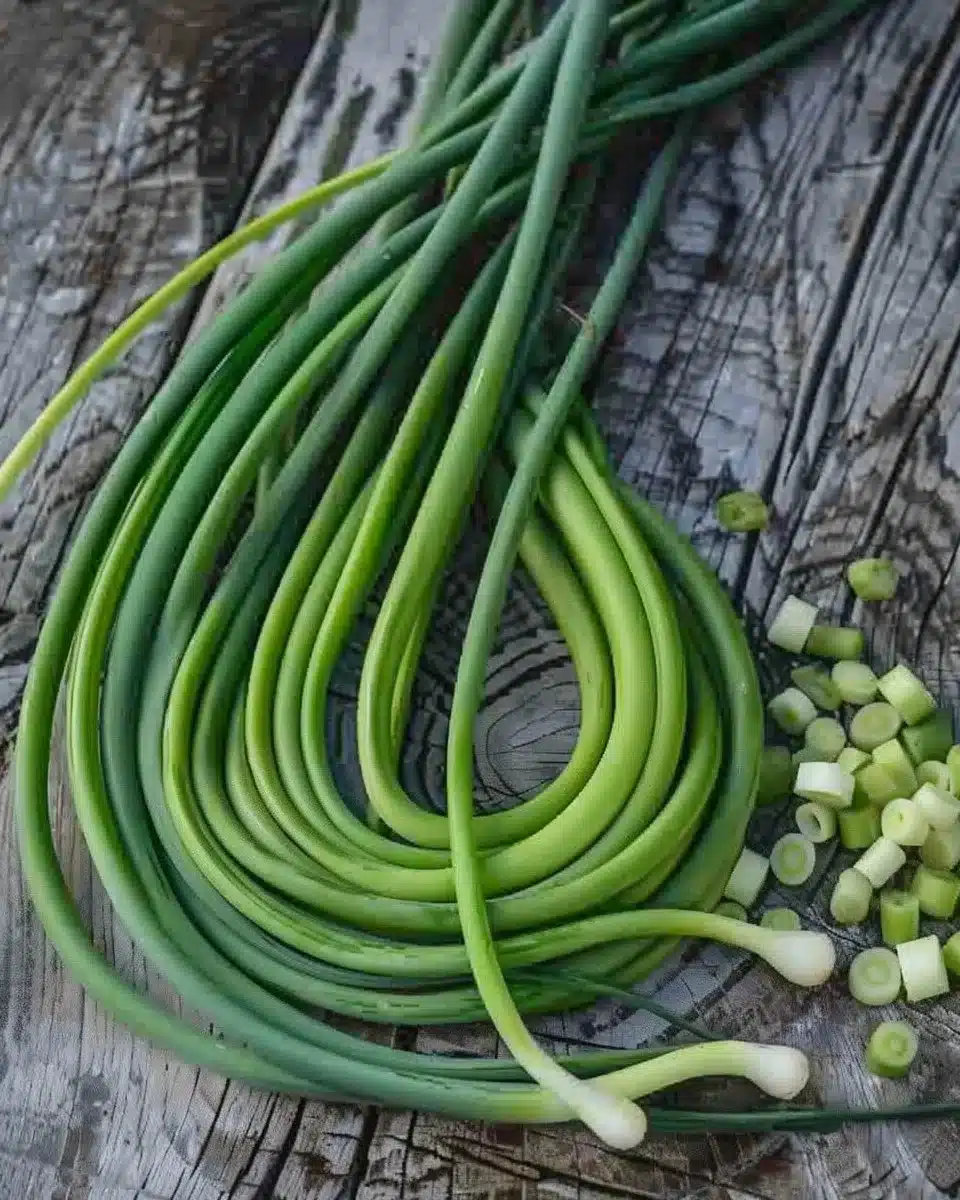
Garlic scape pesto is a seasonal gem. Garlic scapes — the curly, tender flower stalks of hardneck garlic — taste like a milder, fresher garlic with a hint of green onion, and turning them into pesto is a fast way to preserve their flavor. Making this recipe lets you:
- Use up a bumper crop of scapes from your garden or farmer’s market.
- Make a versatile condiment that livens up pasta, sandwiches, grilled veggies, and proteins.
- Preserve the bright taste of spring for months by freezing or refrigerating.
- Enjoy a fresher, greener alternative to basil pesto that’s equally easy to customize.
This pesto is an excellent bridge between spring vegetables and hearty meals. It’s also a smart first-time pesto project: the method is forgiving and yields reliably tasty results even for kitchen beginners.
how to make Garlic Scape Pesto
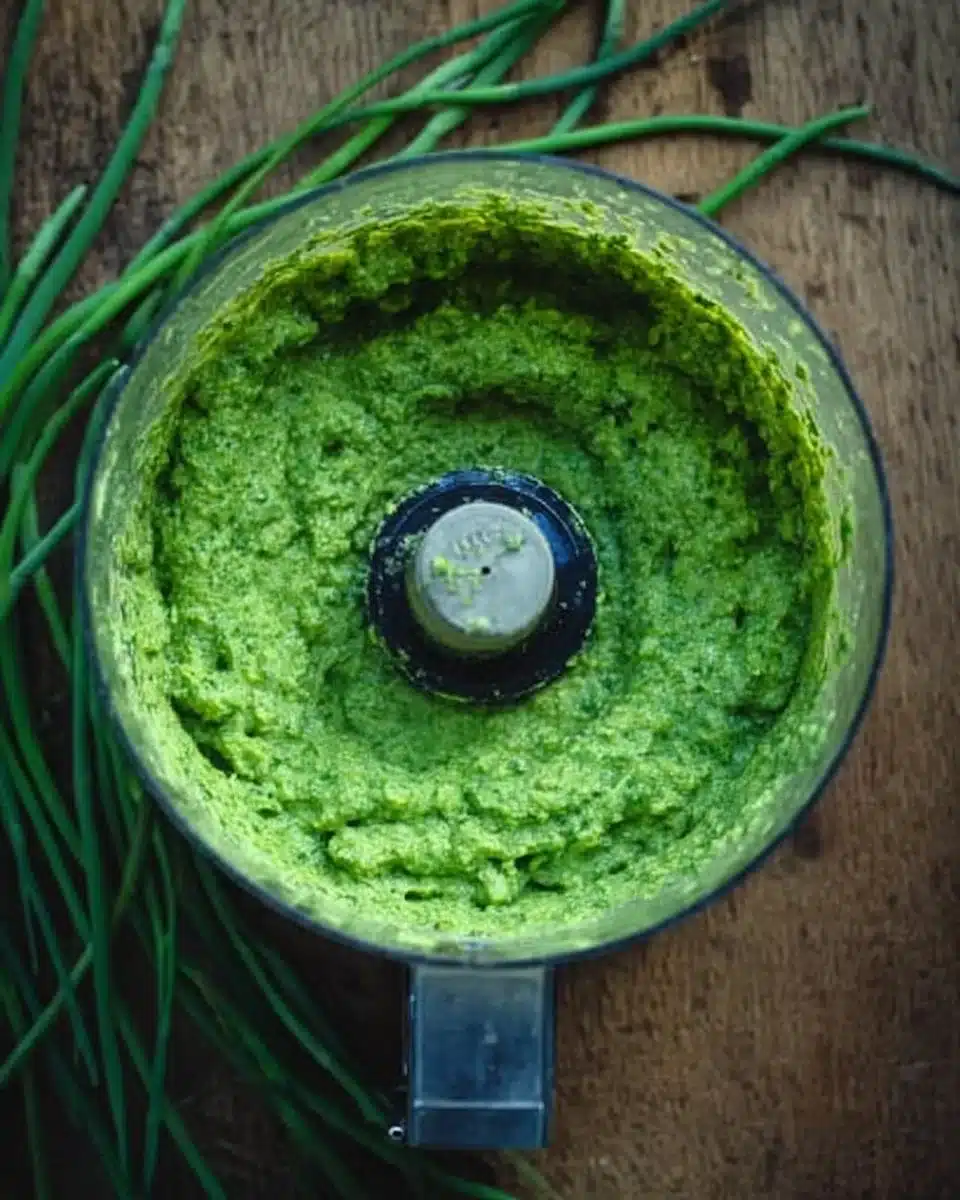
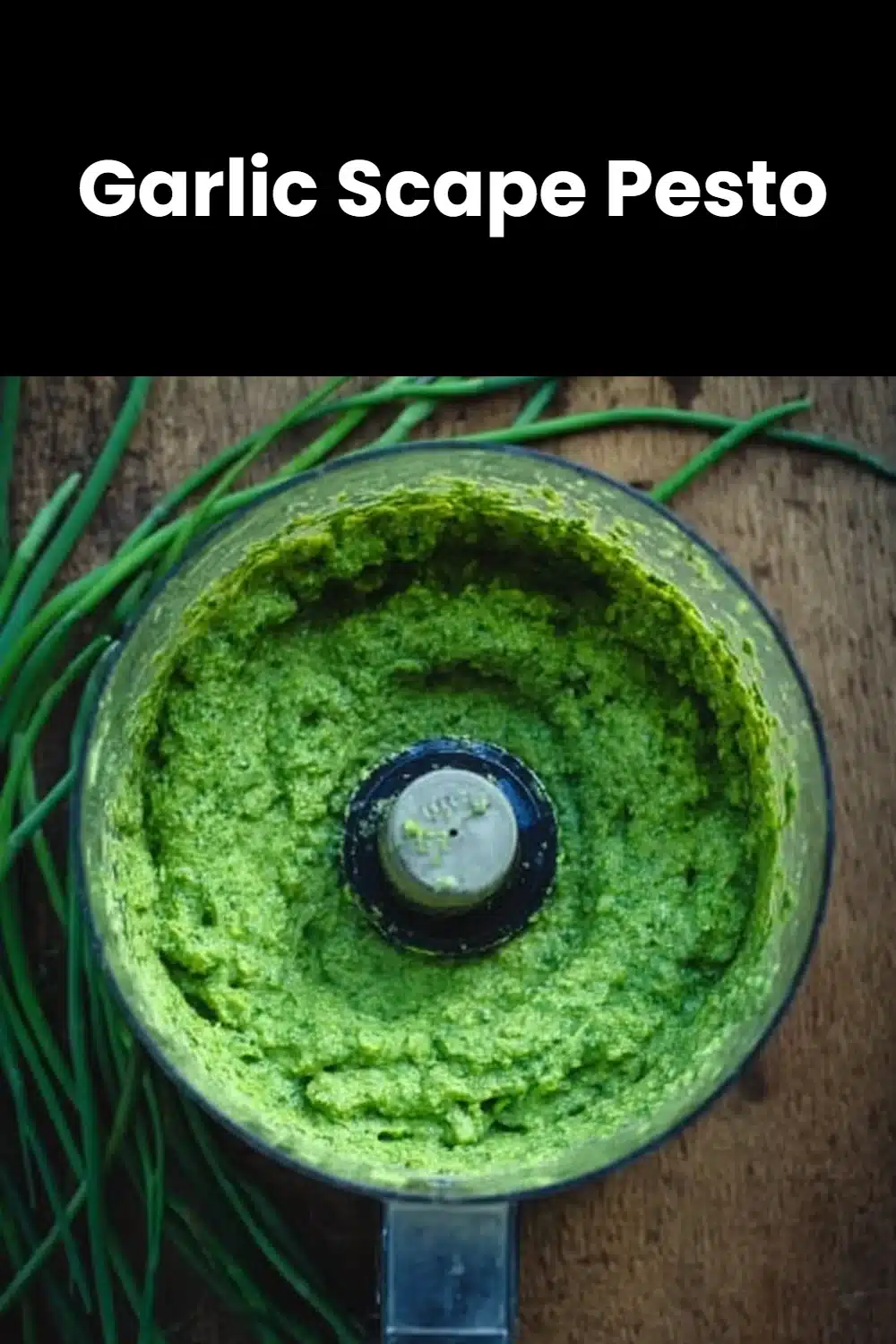
Below you’ll find a clear, step-by-step method to make Garlic Scape Pesto using a food processor. The texture can be adjusted from coarse to silky depending on how long you process and how much oil you add.
Ingredients :
- 1 cup garlic scapes, chopped
- 1/2 cup grated Parmesan cheese
- 1/2 cup olive oil
- 1/3 cup nuts (pine nuts or walnuts)
- Salt to taste
- Pepper to taste
- 1 tablespoon lemon juice (optional)
Directions :
- In a food processor, combine the garlic scapes, nuts, and Parmesan cheese.
- Pulse until finely chopped.
- With the processor running, gradually add the olive oil until the mixture is smooth.
- Season with salt, pepper, and lemon juice if desired.
- Store in a jar in the fridge or freezer.
Notes on the process
- Chop the scapes into 1-inch pieces before adding them to the processor; this helps your machine work more efficiently.
- Pulse first instead of running continuously — pulsing helps you control the texture and reduces the risk of over-processing.
- Add the oil slowly so the mixture emulsifies and doesn’t split. If the pesto looks too thick, add oil 1 teaspoon at a time until you reach the desired consistency.
- Taste and adjust salt, pepper, and lemon at the end. A touch of acid brightens the pesto and balances the richness from the cheese and nuts.
Ingredient Notes
- Garlic scapes: Look for young, tender scapes that are firm and green. Older, woody scapes can be tough — trim away any fibrous tips.
- Nuts: Pine nuts are classic in pesto for their soft, buttery texture, but walnuts are a cost-effective and flavorful alternative with a pleasant earthiness.
- Parmesan cheese: Use freshly grated Parmigiano-Reggiano for the best flavor; pre-grated can work but sometimes contains anti-caking agents that slightly change texture.
- Olive oil: A good extra-virgin olive oil gives flavor — but if yours is very peppery, use a milder oil or reduce the amount slightly.
- Lemon juice: Optional but recommended if you like a brighter flavor. Mild vinegar (like white wine vinegar) can stand in if needed.
Substitutions
- If you don’t have Parmesan, try Pecorino Romano for a saltier, sharper bite, or a hard aged cheese you enjoy.
- For a dairy-free version, omit the cheese and bump up the nuts; add a spoonful of nutritional yeast for a cheesy note.
- If pine nuts are too expensive or unavailable, roasted almonds or cashews also work well.
Pro Tips for Success Garlic Scape Pesto
- Toast the nuts lightly for deeper flavor: A quick 3–4 minute toast in a dry skillet until fragrant enhances the pesto’s nuttiness.
- Use cold oil for a brighter texture: Chilled oil can help the pesto hold color and shape when you blend.
- Reserve a little grated cheese: Hold back 1–2 tablespoons and sprinkle it on the finished dish so the flavor tastes fresh and layered.
- Keep some texture: Stop pulsing when you reach a coarse chop if you like a pesto with body rather than a uniformly smooth purée.
- Prevent oxidation: Press a thin layer of oil on top of the pesto before sealing the jar to reduce browning.
Flavor Variations Garlic Scape Pesto
- Lemon-Basil Twist: Add 1/2 cup packed fresh basil leaves to the processor for a hybrid pesto that combines classic basil sweetness with scape sharpness.
- Chili-Garlic Scape Pesto: Toss in 1 small deseeded chili or 1/4 teaspoon red pepper flakes for a subtle heat kick that pairs well with grilled meats and roasted vegetables.
- Herbed Walnut Scape Pesto: Replace pine nuts with walnuts and add a tablespoon of chopped parsley or tarragon for a green, earthy lift.
- Sun-Dried Tomato Scape Pesto: Add 2 tablespoons chopped sun-dried tomatoes (packed in oil and drained) for a slightly tangy, umami-rich version that’s great on sandwiches.
Serving Suggestions Garlic Scape Pesto
Garlic Scape Pesto is versatile and can be used in many ways. Here are practical, delicious serving ideas:
- Toss with pasta: A classic use is to mix 2–3 tablespoons of pesto into a bowl of hot pasta with reserved starchy pasta water to create a glossy sauce. It’s especially nice with short pasta like rigatoni, fusilli, or orecchiette.
- Bright pesto grains: Stir into cooked quinoa, farro, or rice for a flavorful grain bowl base. Add roasted vegetables and a squeeze of lemon for a quick lunch.
- Spread on sandwiches: Use as a spread for grilled paninis, turkey sandwiches, or a roasted veggie wrap to replace or augment mayonnaise.
- Dollop on roasted vegetables: Spoon over roasted asparagus, carrots, or beets right after they come out of the oven.
- Finish proteins: Spoon on grilled chicken, tofu, or fish as a last-minute brightener. It’s also a lovely counterpoint to richer dishes; try it with savory pork or mushroom mains.
- Pizza and flatbreads: Swap pesto for tomato sauce on pizza, or swirl some on a flatbread after baking for a fresh topping.
For a specific pairing idea, this pesto brightens simple weeknight pastas and is the perfect companion for richer garlic recipes like the brown sugar garlic pork chops in that savory pork chop recipe — try adding a spoonful on top of pat or slice to cut through richness.
Storage and Freezing Instructions Garlic Scape Pesto
Pesto stores and freezes well, making it a great batch-cooking project.
Refrigerator storage
- Store pesto in an airtight jar or container and press a layer of olive oil over the top to minimize contact with air.
- Refrigerated, it will keep fresh for about 5–7 days. Always use a clean spoon to avoid contamination.
Freezing
- Ice cube trays: Spoon pesto into ice cube trays and freeze. Once frozen, pop cubes into a labeled freezer bag so you can thaw single portions as needed.
- Small jars: Freeze in small mason jars for ready-to-use portions. Leave about 1/2-inch headspace as the pesto may expand slightly.
- Shelf life: Frozen pesto will keep well for 3–6 months and still retain most of its fresh flavor.
Thawing and best use
- Thaw overnight in the refrigerator or add a frozen cube directly to hot pasta to melt it into sauce.
- Give thawed pesto a quick stir and taste; you may want to refresh it with a squeeze of lemon or a drizzle of olive oil.
Nutrition Facts (Per Serving) — Garlic Scape Pesto
(Approximate values per 2-tablespoon serving)
- Calories: 180 kcal
- Protein: 4 g
- Carbohydrates: 2.5 g
- Fat: 18 g
- Fiber: 0.8 g
- Sodium: 260 mg
Notes on nutrition
- Values are estimates and will vary depending on specific brands and the exact quantities used (for example, different Parmesan brands have different sodium levels).
- The fat content comes primarily from olive oil and nuts and reflects healthy monounsaturated and polyunsaturated fats.
- To reduce sodium, choose a low-sodium Parmesan or cut down on the added salt and add more lemon for flavor instead.
FAQ About Garlic Scape Pesto
What are garlic scapes and how do they differ from garlic cloves?
Garlic scapes are the curly, tender stalks that develop on hardneck garlic plants as they prepare to flower. They taste like a fresh, mild garlic with a grassy, slightly onion-like note. Unlike garlic cloves, scapes are softer and best used fresh; they aren’t as concentrated as cloves, so you’ll need more scapes to reach the same level of raw garlic punch in recipes.
Can I use garlic scape pesto in place of regular basil pesto?
Yes — garlic scape pesto is a great substitute for basil pesto in most dishes. The flavor is greener and a bit sharper than basil pesto, so expect a different yet complementary profile. Use the same amounts when tossing with pasta, spreading on sandwiches, or finishing grilled meats, and taste to adjust salt and lemon as needed.
How long do garlic scapes last and when is the best time to buy them?
Garlic scapes are most abundant in late spring to early summer. Fresh scapes should feel firm and snap when bent; avoid scapes that look dry or shriveled. In the refrigerator, scapes will keep for about one week in a plastic bag with a paper towel to absorb excess moisture. For longer storage, make pesto and freeze it.
Is it safe to freeze pesto, and does freezing change the flavor?
Freezing pesto is safe and preserves much of the fresh flavor, though there may be a slight loss in brightness and a small color change. Freezing in small portions like ice cube trays helps retain flavor and makes it easy to use single servings. Adding a thin layer of oil on top before freezing can further protect the pesto’s color and flavor.
Can I make this pesto without a food processor?
Yes, you can make a coarse version of this pesto by finely chopping the scapes, toasting and chopping the nuts, and then stirring everything together in a bowl with olive oil until well combined. It will be more textured, but still delicious. Alternatively, a blender works too, though you may need to scrape the sides to keep the mixture moving.
How can I reduce the garlic bite if I find scapes too strong?
If the scape flavor feels too assertive, blanch the chopped scapes in boiling water for 30–60 seconds, then shock in ice water before processing. Blanching mellows the sharpness and brings out a sweeter, more vegetal flavor. You can also increase the ratio of nuts or cheese to scapes to tame intensity.
Final Thoughts
Garlic Scape Pesto is a seasonal pantry hero that’s simple to make, endlessly adaptable, and a great way to celebrate the fresh flavors of spring. With a few pantry staples and a food processor, you’ll have a bright, savory sauce that elevates pasta, sandwiches, roasted vegetables, and proteins. Make a big batch while scapes are in season and freeze portions so you can enjoy this vibrant pesto all year round.
Print
Garlic Scape Pesto
- Total Time: 10 minutes
- Yield: 4 servings
- Diet: Vegetarian
Description
A bright, garlicky twist on classic pesto using fresh garlic scapes for a flavorful and creamy sauce.
Ingredients
- 1 cup garlic scapes, chopped
- 1/2 cup grated Parmesan cheese
- 1/2 cup olive oil
- 1/3 cup nuts (pine nuts or walnuts)
- Salt to taste
- Pepper to taste
- 1 tablespoon lemon juice (optional)
Instructions
- In a food processor, combine the garlic scapes, nuts, and Parmesan cheese.
- Pulse until finely chopped.
- With the processor running, gradually add the olive oil until the mixture is smooth.
- Season with salt, pepper, and lemon juice if desired.
- Store in a jar in the fridge or freezer.
Notes
Chop the scapes into 1-inch pieces for better processing. Pulse instead of running continuously to control texture.
- Prep Time: 10 minutes
- Cook Time: 0 minutes
- Category: Sauce
- Method: Blending
- Cuisine: Italian