Bariatric Gelatin Jello
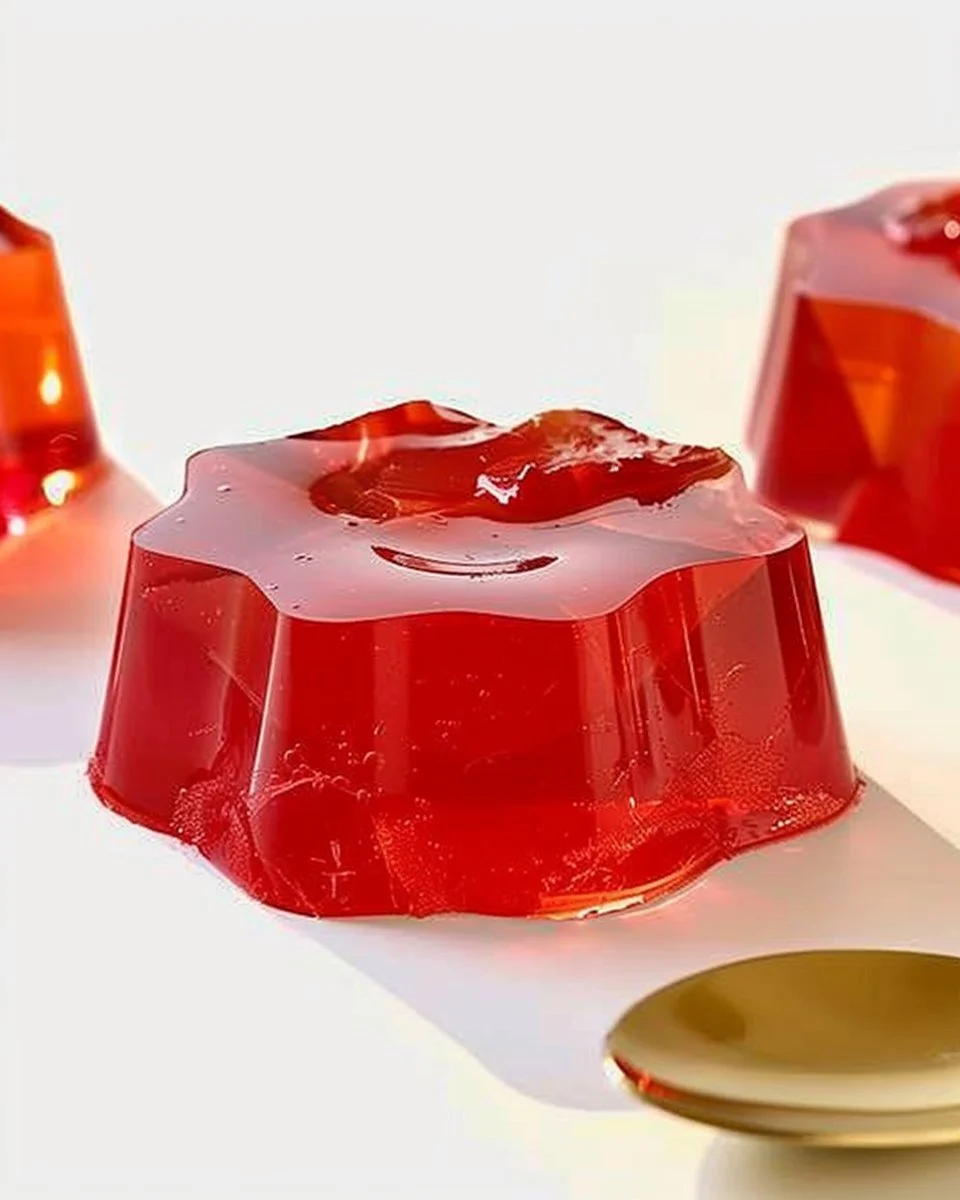
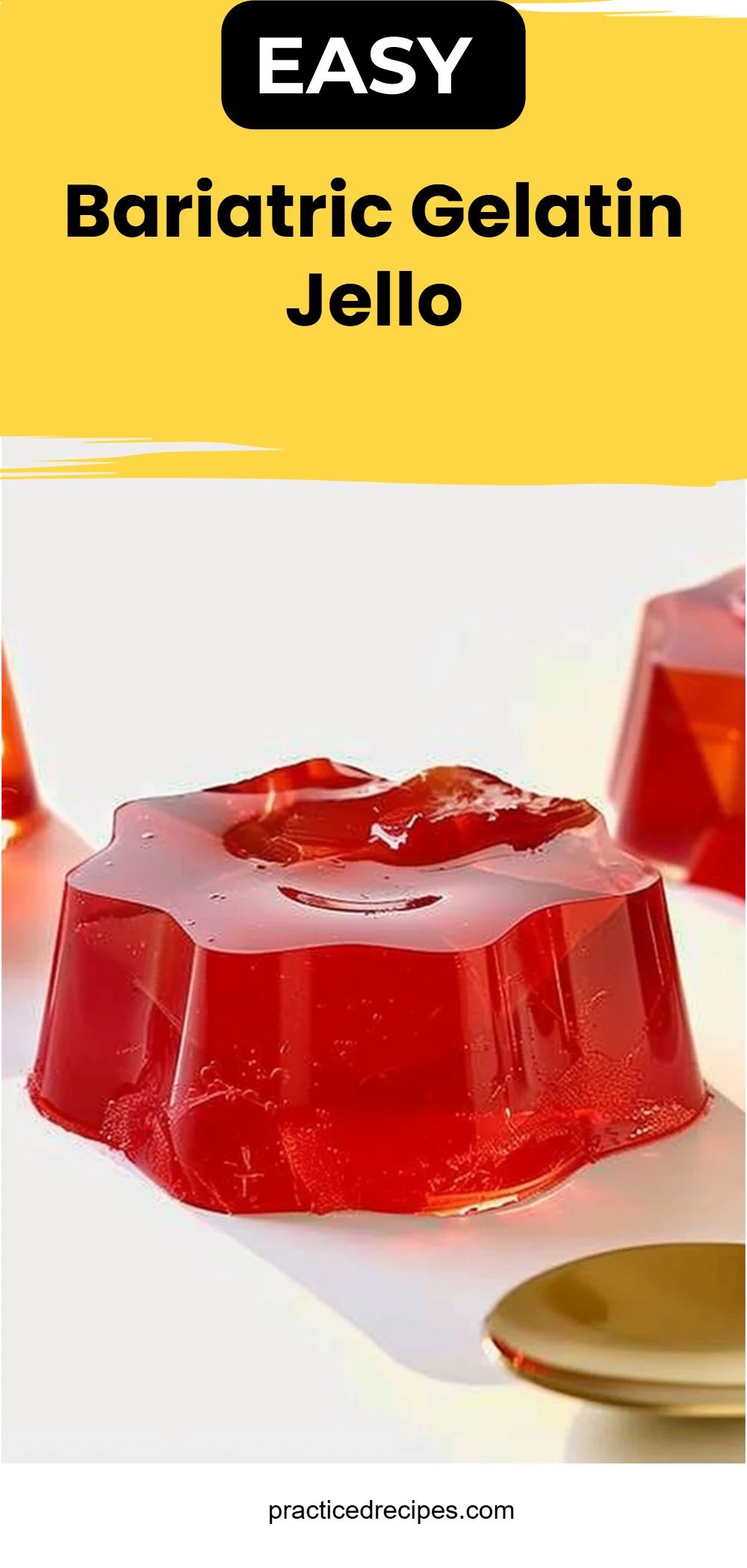
Bariatric Gelatin Jello is a simple, soft-textured snack that’s gentle on the stomach and easy to digest, making it a great option for people recovering from bariatric surgery or anyone who needs light, low-effort snacks. This recipe keeps ingredients minimal — fruit juice, powdered gelatin, and an optional sweetener — so you can control sugar and protein content and adapt it to your recovery plan or daily needs.
Why make this recipe
Bariatric Gelatin Jello is appealing for several reasons. After bariatric surgery, patients often need foods that are soft, easy to swallow, and low in bulk while still offering hydration and some nutritional value. Gelatin sets up quickly, is soothing, and can help curb sweet cravings without heavy amounts of sugar or fat. It’s also highly customizable: you can use sugar-free juice, add protein-boosting ingredients, or choose flavors that are comforting and familiar.
This homemade version gives you full control over the ingredients, letting you avoid preservatives, added colors, or excessive sugars that are common in store-bought gelatins. Because you control portion size and flavor intensity, it’s easy to make servings that match the stage of your post-op diet — from clear liquids and purees to soft solids — by cutting the serving size or changing firmness.
How to make Bariatric Gelatin Jello
This Bariatric Gelatin Jello recipe is straightforward and forgiving. Follow the simple steps below and then personalize the base with one of the flavor or protein ideas listed later.
Ingredients:
- 1 cup fruit juice (of your choice)
- 1 tablespoon powdered gelatin
- 1 tablespoon sweetener (optional)
Directions:
- In a small saucepan, heat the fruit juice until warm, but not boiling.
- Sprinkle the powdered gelatin over the warm juice and stir until fully dissolved.
- If desired, add sweetener to taste and stir again.
- Pour the mixture into a mold or dish and refrigerate until set, about 2-4 hours.
- Once set, enjoy your homemade jello as a light and satisfying snack.

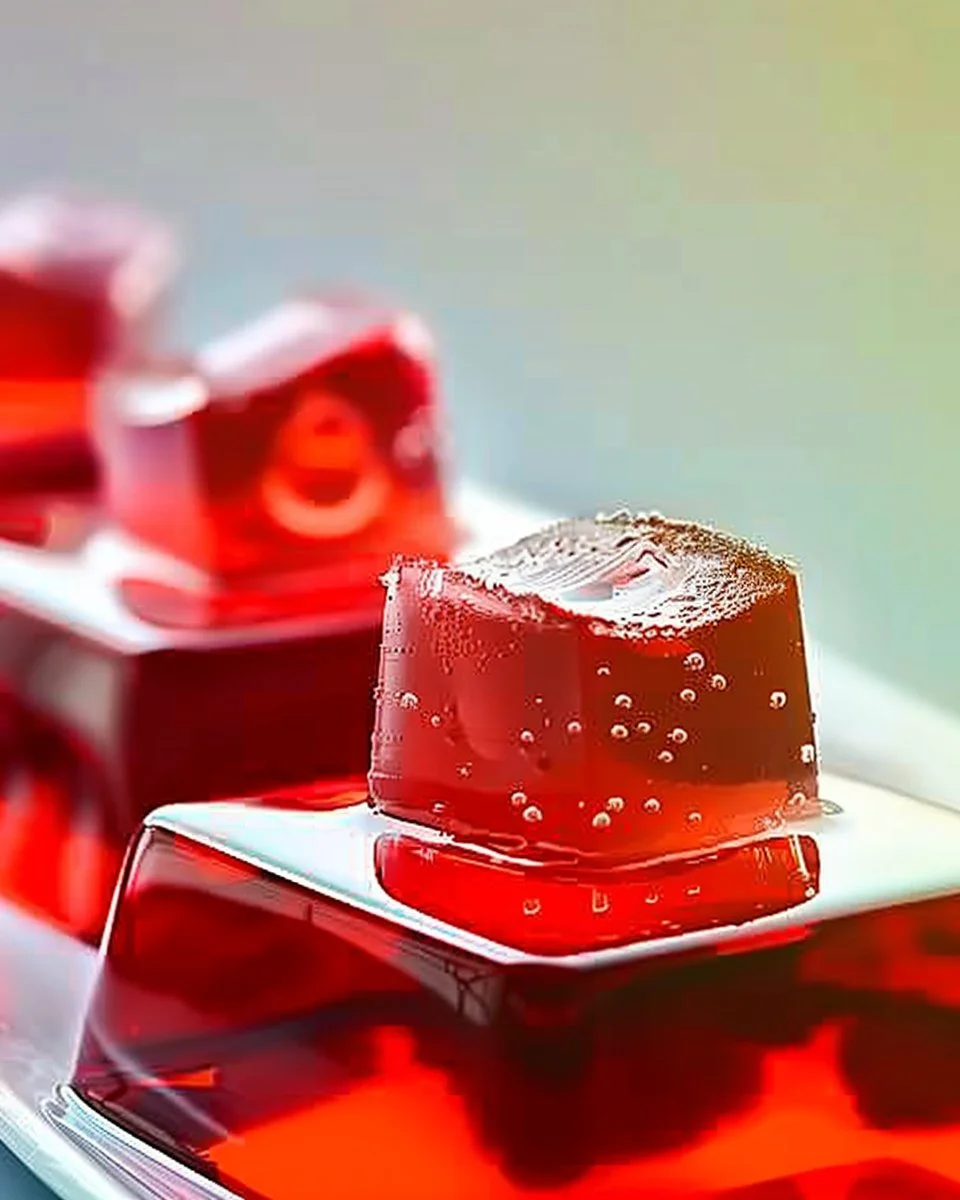
Below are clear, practical notes so you get the best possible texture and flavor every time.
Ingredient notes and substitutions
- Fruit juice: Choose juices with flavors you tolerate well and that fit your dietary goals. For lower sugar, use a sugar-free juice drink or dilute regular juice with water. For more nutrients and less sugar, consider 100% vegetable juice blends that have a natural flavor you enjoy.
- Powdered gelatin: Use a plain, unflavored gelatin powder. If you prefer a protein bump, you can replace some or all of the gelatin with unflavored collagen peptides — but note that collagen doesn’t always set as firmly as gelatin. If you need firmer jello, stick with gelatin.
- Sweetener: The recipe lists sweetener as optional. For bariatric-friendly options, consider stevia, erythritol, or monk fruit sweetener to keep calories down. If your care team allows regular sugar, a small amount of honey or maple syrup will add extra flavor but also increase calories and carbs.
- Dairy and mixers: Avoid adding milk or cream in the early postoperative stages, unless your surgeon or dietitian suggests it. If you later want a creamier texture, use lactose-free milk or a small amount of unsweetened plant milk, but be aware that this can alter setting time and firmness.
Equipment and timing
- Use a small saucepan and a whisk or spoon for stirring.
- For molds, silicone shapes are forgiving for removal. A shallow dish makes slicing easier for portion control.
- Chill for at least 2 hours; for best texture leave in the fridge 4 hours or overnight.
Pro Tips for Success Bariatric Gelatin Jello
- Bloom the gelatin: Sprinkle gelatin evenly over the warm (not boiling) juice and let it sit for a minute before stirring. This helps it dissolve fully and prevents clumps.
- Avoid boiling: Boiling can break down gelatin and reduce its setting power. Keep the juice warm and stir gently until dissolved.
- Taste first: If you use an unsweetened or tart juice, taste it warm and add sweetener in small amounts. It’s always easier to add than to correct over-sweetness.
- Chill uncovered briefly: Pop the filled molds into the fridge uncovered for 10–15 minutes to let the top start to set, then cover to prevent refrigeration odors from affecting the jello.
- Cut consistent portions: For post-op tolerance, slice into small cubes or spoon-sized portions. Using a ruler or measuring cup to portion ensures predictable serving sizes for tracking nutrition or hydration.
- Add protein thoughtfully: If you add powdered collagen or protein, mix it into the warm juice thoroughly and be mindful that some protein powders can alter texture or require extra stirring.
Flavor Variations Bariatric Gelatin Jello
- Citrus Breeze: Use diluted orange or grapefruit juice and add a teaspoon of lemon or lime zest (omit if citrus is not tolerated). This brightens the flavor and makes the jello more refreshing.
- Berry Blend: Use a mixed berry juice or blend cranberry and apple juice for a balanced sweetness with a slightly tart finish. Strain if you prefer a smooth texture without pulp.
- Herbal-Infused: Heat the juice with a small sprig of mint or a piece of ginger for a minute, remove the herb, then whisk in gelatin. This subtle infusion can help settle the stomach and add complexity.
- Protein-Forward: Mix 1 tablespoon of unflavored collagen peptides into the warm juice with the gelatin to gently increase protein without strong flavor. Note that collagen may make the jello slightly softer.
- Low-Sugar Option: Use a zero-calorie, fruit-flavored drink or very diluted 100% juice and sweeten with a calorie-free sweetener such as stevia or erythritol.
Serving Suggestions Bariatric Gelatin Jello
- Small cups for between-meal hydration: Serve in 2–3 tablespoon cups to encourage sipping and small bites when full meals aren’t tolerated.
- With soft fruit: For a more substantial snack, add a teaspoon of mashed banana or a few mashed berries to each serving in later stages of recovery when textured foods are okay.
- Protein pairing: Serve alongside a small portion of Greek yogurt or sugar-free protein pudding if your diet allows dairy — this adds protein and makes a more filling snack.
- Layered cups: Make a layered dessert using different colored juices poured and chilled in stages for an appealing treat that remains bariatric-friendly.
- Spoons instead of forks: Use small spoons or shot-glass spoons to control bite size and pace, which can help reduce discomfort after surgery.
Storage and Freezing Instructions Bariatric Gelatin Jello
Refrigeration
- Store jello covered in the refrigerator for up to 4–5 days. Use airtight containers to protect flavor and prevent drying or fridge odors from seeping in.
- If you’ve added fresh fruit, consume within 24–48 hours for best texture and food safety.
Freezing
- Freezing gelatin alters texture; it becomes more crumbly and may release water when thawed. For best results, avoid freezing jello intended for a smooth, firm texture.
- If you must freeze, use an airtight container and freeze for no more than one month. Thaw slowly in the refrigerator and expect some weeping (separation of liquid). Stir gently if texture allows, but do not refreeze.
Portioning for convenience
- Pre-portion servings into small silicone muffin cups or plastic condiment containers to make grab-and-go snacks. This helps maintain portion control and reduces food waste.
- Label containers with the date so you always use the oldest batch first.
Nutrition Facts (Per Serving)
Assuming this recipe yields 4 small servings (typical for a 1 cup juice + gelatin recipe), approximate nutrition per serving is:
- Calories: 35 kcal
- Protein: 1.5 g
- Carbohydrates: 7.5 g
- Fat: 0 g
- Fiber: 0 g
- Sodium: 15 mg
Notes about these numbers:
- These values are estimates. Actual nutrition will vary depending on the juice you choose (100% orange juice has more calories and carbs than a diluted juice cocktail).
- If you use a protein-boosting ingredient like collagen peptides, protein will increase substantially and calories will rise slightly.
- Using sugar-free juice or a zero-calorie drink will reduce carbs and calories accordingly.
Troubleshooting common problems
My jello didn’t set properly
- Most often this happens because the gelatin was overheated or not measured accurately. Ensure you use the correct amount of gelatin and avoid boiling the juice. If the liquid is very acidic (like some citrus juices), it can interfere with setting; use slightly more gelatin or combine with a less acidic juice.
There are lumps in the mix
- Lumps form when gelatin is sprinkled unevenly or added to very hot liquid. Sprinkle gelatin slowly and whisk immediately. If lumps persist, warm the mixture gently while stirring until they dissolve.
The texture is too firm or too soft
- For a firmer set, add another half-teaspoon to 1 teaspoon of gelatin per cup of liquid next time. For a softer set, reduce gelatin slightly or add a small splash of water to dilute the mixture.
It tastes bland
- Taste the warm juice before adding gelatin and adjust sweetness. For better flavor, use a high-quality juice, or add a squeeze of lemon or a pinch of salt to brighten flavors.
Safety and dietary notes
- Hydration: Gelatin can be a useful way to increase fluid intake, but it should not replace clear fluids when hydration is the main concern after surgery. Follow your care team’s instructions for fluid goals and timing.
- Sugar content: Watch sugar in juices. For bariatric patients, high-sugar items can cause dumping syndrome, so a low-sugar or diluted juice option is often safer.
- Allergens: This recipe is naturally dairy-free and gluten-free when using plain gelatin. If you add flavorings or protein powders, check labels for allergens.
- Protein needs: Gelatin is not a complete source of protein on its own. If your care plan requires higher protein, consider mixing in unflavored protein supplements that your dietitian approves.
FAQ About Bariatric Gelatin Jello
What makes this gelatin bariatric-friendly?
This gelatin is bariatric-friendly because it’s soft, easy to swallow, and customizable to lower sugar and calorie content. You can control portion sizes, use diluted or sugar-free juices, and add small amounts of tolerated protein supplements. Most importantly, it’s gentle on the stomach during the early postoperative stages when heavy, fibrous, or crunchy foods can be uncomfortable.
Can I add protein powder to increase protein content?
Yes, you can add unflavored protein powders or collagen peptides to boost protein. Be aware that some protein powders affect texture and may require extra stirring or slight warming to dissolve. Always check with your bariatric dietitian before adding any protein supplement to ensure it fits your post-op plan.
Is it safe to use citrus juices like orange or grapefruit?
Citrus juices can be used, but they are more acidic and sometimes interfere with gelatin setting if the acid is very high. If you choose citrus, consider diluting it with water or mixing with a less acidic juice. Also watch sugar content because citrus juices can be high in natural sugars, which may trigger dumping symptoms in some people.
How should I portion jello after bariatric surgery?
Portion jello into small servings — often 2–3 tablespoons — depending on your stage of recovery and your surgeon’s guidance. Small, frequent portions help prevent overfilling the stomach and allow you to enjoy a snack without discomfort. Use consistent measuring cups to track servings accurately.
Can I use artificial sweeteners?
Yes, many bariatric patients use non-nutritive sweeteners like stevia, erythritol, or monk fruit to reduce sugar and calorie load. However, some people find certain sweeteners have aftertastes or cause digestive upset; try a small test portion first. Also, avoid sugar alcohols that may cause gas or diarrhea if you are sensitive.
How do I make this for someone who can only tolerate clear liquids?
For clear-liquid stages, use a clear juice (strained apple or cranberry diluted with water) and avoid any pulp or additions. Make smaller servings and check with your care team to confirm jello is appropriate at that stage. The texture should be very smooth and made without mix-ins.
Will gelatin affect my hydration?
Gelatin contributes to overall fluid intake since it’s made with liquid, but it shouldn’t replace drinking water or electrolyte solutions. Keep tracking your fluid goals for your post-op stage and consume jello as a supplement rather than the main source of hydration.
Can children or older adults use this recipe?
Yes, this recipe is suitable for children and older adults who need soft, easy-to-eat snacks. Adjust flavors and sweetness to personal preference and follow any medical guidance specific to age-related dietary needs. For children, measure portion sizes carefully and avoid choking hazards by cutting into small, manageable pieces.
Does homemade jello last longer than store-bought?
Homemade jello lacks preservatives and may have a shorter fridge life than some packaged products. Generally, keep it refrigerated in an airtight container and use within 4–5 days. If you add fresh fruit, consume sooner.
How can I make it more appealing if appetite is low?
Use bright, familiar flavors and small, colorful serving dishes. Layer different flavored jellos in small cups to add variety without increasing portion size. A small garnish like a mint leaf or a thin slice of softened fruit can make the snack visually appealing and encourage appetite.
Extra ideas for planners and caregivers
Meal prep tips
- Make multiple flavors on a single day and portion into small containers so caregivers can offer safe, measured snacks throughout the week.
- Use silicone molds for portion uniformity and to make the jello more inviting.
Tracking and reporting
- If you’re monitoring calories, protein, or sugar for medical reasons, label each container with the nutrition information and serving size to avoid confusion.
Transitioning back to regular foods
- As tolerance improves, use gelatin as a transitional snack alongside soft, high-protein foods to help meet daily protein goals without upsetting the stomach.
Final Thoughts
Bariatric Gelatin Jello is a surprisingly versatile and gentle snack that fits well into many stages of postoperative recovery or simply as a light, hydrating treat. It’s easy to make, customizable, and offers caregivers and patients a predictable, controllable way to introduce flavors and textures without upsetting a sensitive stomach. With a few simple tweaks—like adding a protein supplement or choosing a low-sugar juice—you can make this basic recipe suit many dietary plans.
Conclusion
For more context on bariatric gelatin recipes, patient experiences, and safety perspectives, see this helpful discussion at “Jello at 9:30 PM?” What Bariatric Gelatin Recipe Reviews Really Reveal.
Print
Bariatric Gelatin Jello
- Total Time: 30 minutes
- Yield: 4 servings
- Diet: Bariatric, Low Sugar
Description
A simple and soft-textured gelatin jello, perfect for those recovering from bariatric surgery, easy to digest, and highly customizable.
Ingredients
- 1 cup fruit juice (of your choice)
- 1 tablespoon powdered gelatin
- 1 tablespoon sweetener (optional)
Instructions
- In a small saucepan, heat the fruit juice until warm, but not boiling.
- Sprinkle the powdered gelatin over the warm juice and stir until fully dissolved.
- If desired, add sweetener to taste and stir again.
- Pour the mixture into a mold or dish and refrigerate until set, about 2-4 hours.
- Once set, enjoy your homemade jello as a light and satisfying snack.
Notes
For best texture, avoid boiling the mixture. Use sugar-free juices for lower sugar content and consider adding unflavored protein powders for an extra protein boost.
- Prep Time: 10 minutes
- Cook Time: 15 minutes
- Category: Snack
- Method: Refrigeration
- Cuisine: American