
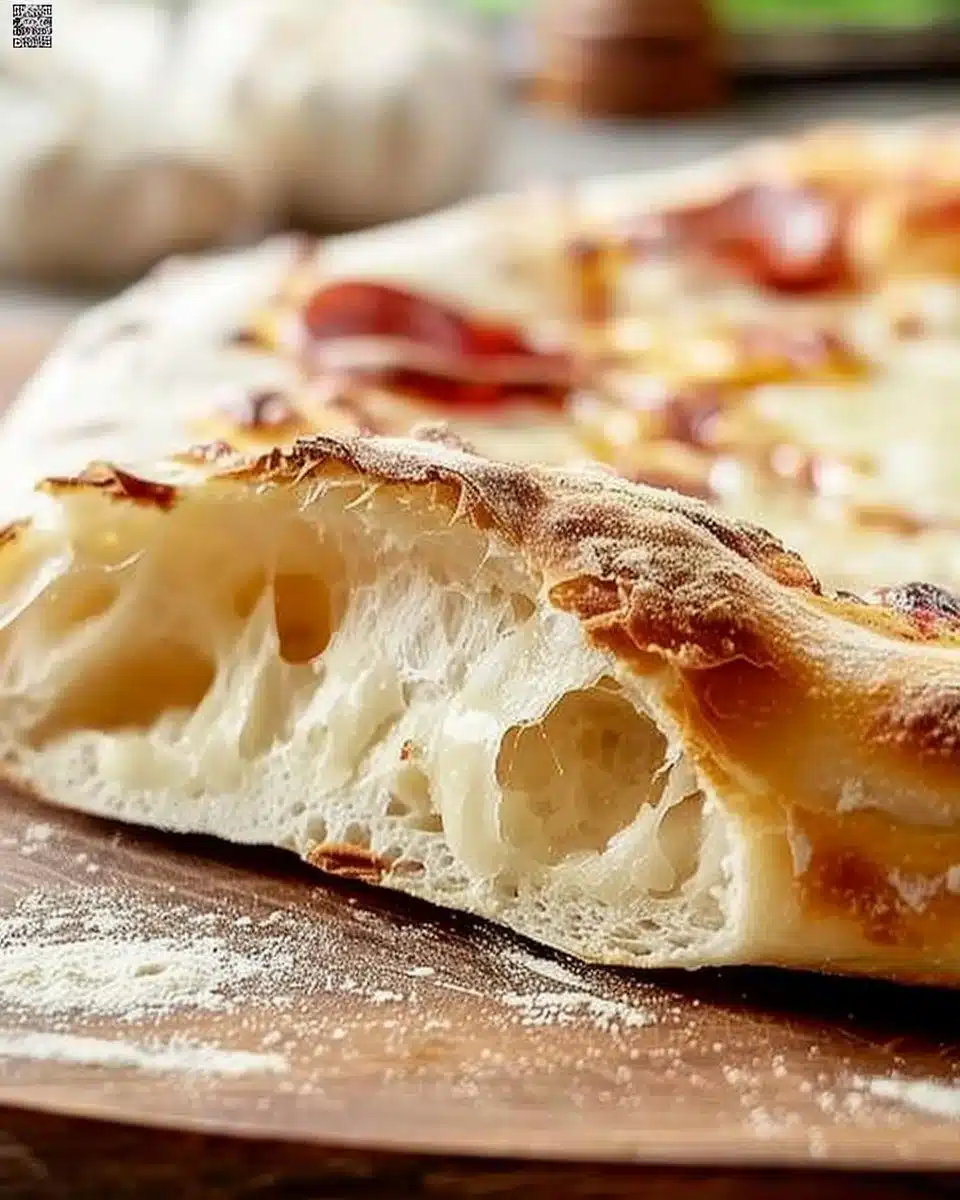
Artisan Pizza Dough – Crispy, Chewy, Bubbly Crust
Artisan pizza dough is essential for creating that perfect, crispy, chewy, bubbly crust that makes pizza truly irresistible. Whether you’re a seasoned chef or a home cook just getting started, making your own pizza dough is incredibly rewarding. Not only do you get to control the ingredients, but the flavor and texture of homemade dough can far exceed what you find at most pizzerias.
Why Make This Recipe
Making artisan pizza dough from scratch isn’t just about having pizza; it’s about creating an experience. The aroma of fresh dough baking in the oven can transform your kitchen into a cozy pizzeria. This recipe yields a dough that is perfectly balanced—crispy on the outside and chewy on the inside—allowing you to elevate your homemade pizzas to gourmet status. Plus, the sense of accomplishment when you pull that bubbling pizza out of the oven is unmatched!
How to Make Artisan Pizza Dough
Creating artisan pizza dough is a straightforward process that rewards you with scrumptious results. Below, you’ll find a detailed breakdown of the ingredients and directions necessary to make this delightful dough.
Ingredients

- 500g (3 3/4 cups plus 2 tbsp) all-purpose flour
- 375g (1 1/2 cups water plus 2 tbsp) warm water, divided
- 1g (1/4 tsp) active dry yeast
- 10g (1 1/2 tsp) fine salt
Directions
In a large bowl, mix the flour with all but 1 tablespoon of the warm water until just combined. Cover this mixture and set aside for about 20 minutes. This process allows the flour to fully hydrate, which is crucial for developing gluten.
While the dough rests, sprinkle the yeast over the remaining warm water and set it aside to dissolve. This will activate the yeast, allowing it to work its magic later on.
After the flour has rested, sprinkle the salt over the surface of the dough. Then, stir the dissolved yeast mixture and pour it over the dough.
To fold the dough, lightly wet your hand, reach underneath the dough, and stretch a section over the top. Repeat this folding motion until the center is covered.
Once the dough is mostly assembled, pinch off 5-6 small chunks, wetting your hand as needed to prevent sticking. Fold the dough over itself a few times. Continue pinching and folding until the yeast and salt are fully mixed, resulting in a shaggy dough. Cover the bowl and let it rest for about an hour.
After the hour has passed, it’s time to fold the dough again to develop the gluten. Lightly wet your hand, reach underneath the dough, and stretch up a section to fold over the center. Rotate the bowl and repeat this folding five more times until you have a ball of dough that feels tight.
Flip the entire ball of dough into a clean, lightly greased bowl so that the seam is down and the top is smooth. Cover this bowl and allow the dough to rise until doubled in volume, which will take approximately 5 to 6 hours.
When the dough has risen, turn it out onto a floured work surface. Cut it in half, and working with one piece at a time, shape each piece into a ball. Start by stretching out a quarter of the dough until you feel resistance, then fold it back over the center. Repeat stretching and folding until a loose ball forms.
Turn the ball over with the seam side down and place it in an unfloured area. Cup your hands around the dough and gently pull it towards you, dragging the bottom along the counter to create tension. Rotate the ball 90 degrees and repeat the dragging process until the top tightens and becomes rounded.
Transfer this shaped ball to a greased plate and repeat with the remaining dough. Lightly oil the tops, cover, and let them rest at room temperature for about an hour. Preheat your oven during this time. If you’re not using the dough immediately, cover it tightly with plastic wrap and refrigerate, where it can last for up to 2 days.
When ready to make your pizza, roll out the dough on a floured surface according to your desired thickness and shape.
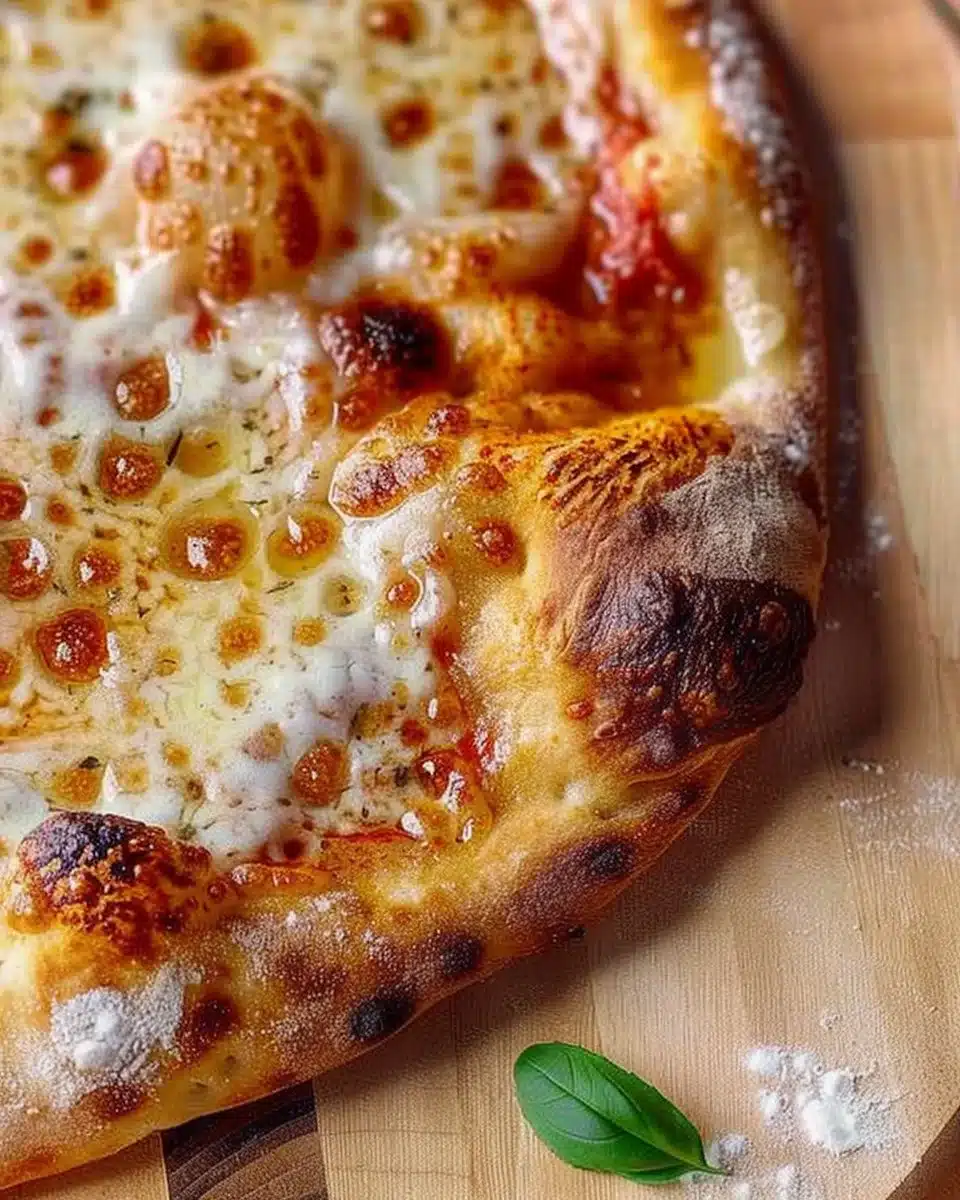
Pro Tips for Success Artisan Pizza Dough
- Use High-Quality Flour: Opt for bread flour if you prefer a chewier crust. It has a higher protein content, which helps develop gluten.
- Don’t Rush the Rise: Allowing the dough to rise fully is crucial. A longer, cooler fermentation (like overnight in the fridge) can enhance flavor and texture.
- Hydration Is Key: Adjust the water content slightly depending on your flour’s absorbency. The right hydration will result in a better crumb structure.
- Preheat Your Oven: Ensure your oven is preheated to the hottest setting (usually around 500°F or 260°C) to achieve that perfect crispy crust.
- Use a Pizza Stone: If you have one, a pizza stone can help mimic the bottom heat of a pizzeria oven for better crust development.
Flavor Variations Artisan Pizza Dough
- Herb-Infused Dough: Mix dried herbs like oregano or basil into your flour for added flavor.
- Garlic and Olive Oil: Add minced garlic and a tablespoon of olive oil to the dough for a savory twist.
- Whole Wheat Option: Substitute half of the all-purpose flour with whole wheat flour for a nuttier flavor and additional nutrients.
- Cheese Crust: Fold shredded parmesan or mozzarella into the dough for a cheesy crust.
- Spicy Kick: Incorporate crushed red pepper flakes for a slight heat in your dough.
Serving Suggestions Artisan Pizza Dough
Once you’ve mastered the artisan pizza dough, the toppings are endless! Here are a few serving suggestions:
- Classic Margherita: Top with fresh mozzarella, tomatoes, and basil for a simple yet flavorful pizza.
- Pepperoni and Jalapeños: A classic combo with a spicy twist that’s always a hit.
- Veggie Lovers: Load your pizza with colorful vegetables like bell peppers, onions, and spinach.
- White Pizza: Top with ricotta, spinach, and garlic for a creamy treat without tomato sauce.
- Dessert Pizza: Sweeten up your dough with Nutella and strawberries for a delicious dessert option.
Storage and Freezing Instructions Artisan Pizza Dough
If you find yourself with extra dough, don’t worry! You can store or freeze it for later use:
- Refrigeration: Keep the dough tightly wrapped in plastic wrap for up to 2 days in the refrigerator. When ready to use, let it come to room temperature before rolling it out.
- Freezing: Wrap portions of dough tightly in plastic wrap and then place them in a freezer bag. They can be frozen for up to 3 months. To use, transfer to the refrigerator to thaw overnight, then bring to room temperature before shaping.
Nutrition Facts (Per Serving)
- Calories: 120
- Protein: 4g
- Carbohydrates: 25g
- Fat: 0.5g
- Fiber: 1g
- Sodium: 130mg
FAQ About Artisan Pizza Dough
What makes artisan pizza dough different from regular pizza dough?
Artisan pizza dough typically involves a longer fermentation period, which helps develop a more complex flavor and chewy texture. It often uses higher hydration, resulting in a light and airy crust with large bubbles.
Can I make this dough ahead of time?
Yes, you can prepare this dough ahead of time! It can be stored in the refrigerator for up to two days, or you can freeze it for up to three months. Just remember to let it come to room temperature before using it.
What is the best way to roll out pizza dough?
Use a lightly floured surface and a rolling pin to roll out your dough. If you prefer, you can also stretch the dough by hand. Start from the center and gently push outwards, turning the dough as you go to achieve your desired thickness and shape.
Can I use this dough for other types of bread or recipes?
Absolutely! This artisan pizza dough can be used for other recipes such as focaccia or even breadsticks. Just be aware of the baking time, as it can differ from a typical pizza.
What toppings pair well with artisan pizza?
The beauty of artisan pizza is in its versatility. Classic toppings like fresh mozzarella and basil work wonderfully, but feel free to experiment with gourmet options like goat cheese, figs, or caramelized onions.
Final Thoughts
Making artisan pizza dough at home is a fulfilling endeavor that results in an unbeatable pizza experience. With its crispy, chewy, and bubbly crust, this dough is perfect for crafting various flavor profiles and enjoying with friends and family. Don’t be afraid to experiment with textures and flavors, and most importantly, have fun! Whether it’s a weeknight dinner or a casual gathering with friends, your homemade artisan pizza dough is sure to impress.
Enjoy your culinary journey, and don’t forget to treat yourself to a delicious slice!
Print
Artisan Pizza Dough – Crispy, Chewy, Bubbly Crust
- Total Time: 360 minutes
- Yield: 2 servings (makes enough for 2 pizzas)
- Diet: Vegetarian
Description
Perfectly balanced artisan pizza dough that is crispy on the outside and chewy on the inside, perfect for gourmet homemade pizzas.
Ingredients
- 500g (3 3/4 cups plus 2 tbsp) all-purpose flour
- 375g (1 1/2 cups plus 2 tbsp) warm water, divided
- 1g (1/4 tsp) active dry yeast
- 10g (1 1/2 tsp) fine salt
Instructions
- Mix flour with all but 1 tablespoon of warm water until just combined. Cover and let rest for 20 minutes.
- Sprinkle yeast over remaining warm water and let dissolve.
- After resting, sprinkle salt over dough and stir in the dissolved yeast mixture.
- Fold the dough by wetting your hand, reaching underneath, and stretching it over the top. Repeat until the center is covered.
- Pinch off small chunks and fold the dough over itself, making a shaggy mixture. Let rest for 1 hour.
- Fold the dough again to develop gluten, repeating folding until you form a tight ball. Let rise covered until doubled, about 5-6 hours.
- Turn out onto floured surface, cut in half, and shape each piece into a ball. Let rest for 1 hour.
- When ready, roll out the dough on a floured surface to your desired thickness.
Notes
For best results, allow the dough to rise fully and experiment with hydration levels based on flour absorbency.
- Prep Time: 20 minutes
- Cook Time: 0 minutes
- Category: Main Course
- Method: Baking
- Cuisine: Italian