

Apricot Yogurt Muffins are a sunny, tender treat that balance sweet dried fruit with a moist, tangy crumb.
why make this recipe
Apricot Yogurt Muffins are worth making when you want a quick, satisfying baked good that feels a little special without requiring fuss. These muffins use pantry-friendly ingredients but deliver bakery-style texture because the yogurt keeps the crumb soft and the oil ensures they stay moist for days. If you already love yogurt in baking, you might enjoy exploring a wider range of yogurt-based cakes and breads; a useful reference is this simple yogurt muffin recipe that highlights how yogurt improves texture in small-batch baking. This recipe is ideal for breakfast, lunchboxes, coffee breaks, and casual entertaining.
how to make Apricot Yogurt Muffins
These Apricot Yogurt Muffins are straightforward: combine wet and dry ingredients separately, fold together, stir in apricots, and bake. Below you’ll find the ingredients and step-by-step directions, plus helpful notes for making substitutions and tweaks.
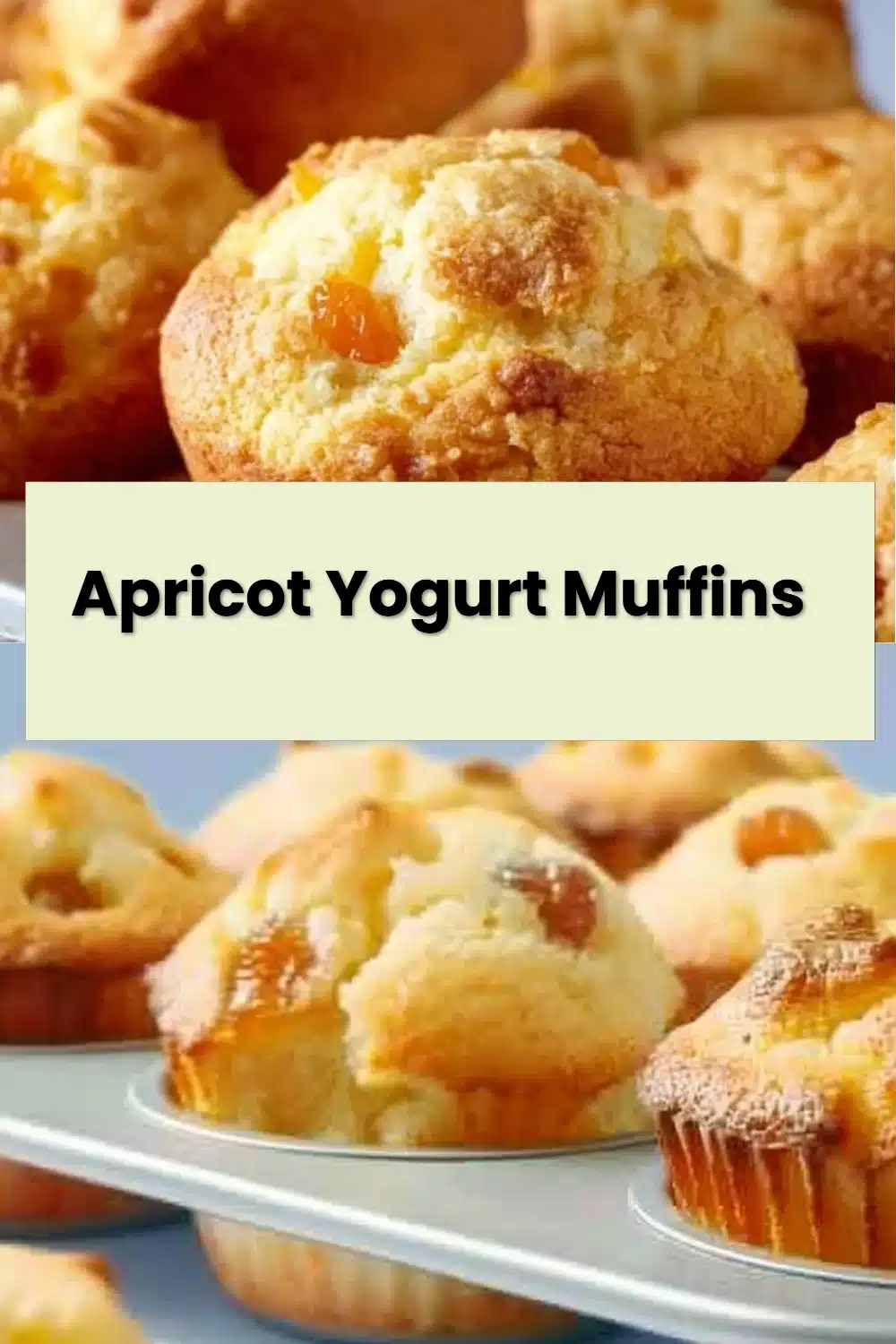
Ingredients :
- 1 cup plain yogurt
- 1/2 cup sugar
- 1/2 cup vegetable oil
- 2 large eggs
- 1 teaspoon vanilla extract
- 2 cups all-purpose flour
- 1 tablespoon baking powder
- 1/2 teaspoon baking soda
- 1/2 teaspoon salt
- 1 cup chopped dried apricots
Ingredient notes:
- Yogurt: Plain yogurt works best for the tang and moisture. You can use low-fat yogurt, whole-milk yogurt, or Greek yogurt; if using thick Greek yogurt, thin it slightly with a tablespoon or two of milk or water so the batter isn’t too dense.
- Sugar: Granulated white sugar gives a clean sweetness. For a less refined option, substitute light brown sugar or coconut sugar; expect slightly deeper caramel notes with brown sugar.
- Oil: Vegetable oil keeps muffins tender. You can swap for mild-flavored oils like avocado or light olive oil. Melted coconut oil works too but will add a faint coconut aroma.
- Flour: All-purpose flour is standard. For gluten-free muffins, use a 1:1 gluten-free baking blend that includes xanthan gum.
- Apricots: This recipe uses chopped dried apricots. If you prefer fresh apricots, see the FAQ for guidance.
- Eggs: If you need an egg-free version, see the Flavor Variations section for swaps.
Directions :
- Preheat your oven to 350°F (175°C) and line a muffin tin with paper liners.
- In a large bowl, mix together the yogurt, sugar, vegetable oil, eggs, and vanilla extract until well combined.
- In another bowl, whisk together the flour, baking powder, baking soda, and salt.
- Gradually add the dry ingredients to the wet mixture, stirring until just combined.
- Fold in the chopped apricots.
- Scoop the batter into the prepared muffin tin, filling each cup about 2/3 full.
- Bake for 18-20 minutes or until a toothpick inserted into the center comes out clean.
- Allow to cool in the pan for a few minutes before transferring to a wire rack to cool completely.

Pro Tips for Success Apricot Yogurt Muffins
- Measure flour the right way: Spoon flour into the measuring cup and level it off with a knife rather than scooping directly from the bag. That avoids dense, dry muffins from too much flour.
- Don’t overmix the batter: Stir only until the dry ingredients disappear. A few small streaks are okay. Overmixing activates gluten and yields tough muffins.
- Chop apricots uniformly: Cut dried apricots into small, even pieces so the fruit distributes consistently through each muffin and you avoid a heavy, overly chewy pocket.
- Room-temperature eggs and yogurt: Ingredients at room temperature blend more smoothly, giving a uniform batter and even rise.
- Check early: Oven temperatures vary. Begin checking at 16 minutes to avoid overbaking and ensure a moist center.
- Keep the liner trick: If muffins stick, try paper liners sprayed lightly with nonstick spray or use silicone liners.
Flavor Variations Apricot Yogurt Muffins
- Apricot-Almond: Add 1/2 teaspoon almond extract and fold in 3/4 cup sliced almonds for crunch and complementary flavor.
- Honey-Orange Apricot: Replace 1/4 cup of the sugar with 1/4 cup honey and add 1 tablespoon orange zest for bright citrus notes that pair beautifully with apricots.
- Apricot-Oat Streusel: Sprinkle a quick oat streusel on top before baking (1/4 cup oats, 2 tablespoons butter, 2 tablespoons brown sugar) for a crunchy topping.
- Apricot-Cardamom: Add 1/2 teaspoon ground cardamom to the dry mix for warm, aromatic spice that lifts the fruitiness.
- Nut-Free Chocolate Swirl: Fold in 1/4 cup mini chocolate chips and swirl 2 tablespoons melted dark chocolate into the batter for a touch of indulgence.
Serving Suggestions Apricot Yogurt Muffins
Serve these muffins warm with a pat of butter, a smear of almond butter, or a drizzle of honey for an easy breakfast that feels cozy. They pair well with a cup of black tea, green tea, or coffee. For a brunch spread, present them alongside yogurt parfaits, fresh fruit, and savory quiches to balance sweet and savory choices. Crumble a cooled muffin over vanilla yogurt and add granola for a quick parfait. For a more substantial snack, split a muffin and add a slice of sharp cheddar or cream cheese for a salty-sweet combo.
Storage and Freezing Instructions Apricot Yogurt Muffins
- Room temperature: Store cooled muffins in an airtight container at room temperature for up to 2 days. Place a paper towel in the container to absorb excess moisture and keep the muffin tops from getting soggy.
- Refrigerator: To extend freshness, refrigerate muffins for up to 5 days. Keep them in an airtight container and bring to room temperature or warm briefly before serving.
- Freezing: Cool muffins completely, then wrap each muffin individually in plastic wrap and place them in a freezer-safe bag or container. Freeze for up to 3 months. To thaw, move muffins to the refrigerator overnight or microwave a wrapped muffin for 20–30 seconds for a warm treat.
- Reheating: For a just-baked texture, microwave for 12–20 seconds or warm in a 325°F (160°C) oven for 5–8 minutes. If frozen, unwrap before microwaving to avoid steam buildup.
Nutrition Facts (Per Serving)
Estimated values per muffin (recipe yields about 12 muffins):
- Calories: 235 kcal
- Protein: 4 g
- Carbohydrates: 36 g
- Fat: 11 g
- Fiber: 2 g
- Sodium: 250 mg
These are approximate values and will vary depending on the specific brands and ingredient choices. For lower calories and fat, use nonfat plain yogurt and swap the oil for an equal amount of unsweetened applesauce (texture will be slightly different).
FAQ About Apricot Yogurt Muffins
Can I use fresh apricots instead of dried?
Yes. Fresh apricots will lend a juicier, softer pocket of fruit inside the muffins. Chop 1 1/4 to 1 1/2 cups of pitted fresh apricots and gently fold them in. Because fresh fruit contains extra moisture, reduce any other liquid subtly (if you used especially wet yogurt, consider using a slightly thicker yogurt or add 1–2 tablespoons more flour) to keep the batter from becoming too loose. Also, fresh apricots might slightly increase bake time, so check with a toothpick at the suggested time and add a couple minutes if needed.
Can I make these muffins gluten-free?
Absolutely. Use a 1:1 gluten-free flour blend that contains xanthan gum for structure. Because gluten-free flours absorb liquid differently, watch the batter consistency: it should be spoonable but not stiff. If the batter seems too thick, add a tablespoon of milk or yogurt at a time until it reaches the right consistency. You may also want to let the batter rest 10–15 minutes before scooping to allow the flours to hydrate.
Are there vegan options for this recipe?
Yes, you can make vegan Apricot Yogurt Muffins with a few swaps. Replace the eggs with flax eggs (2 tablespoons ground flaxseed + 6 tablespoons water, mixed and rested) and use a plant-based yogurt like soy or almond yogurt. Substitute vegetable oil with a neutral plant oil (the same amount). Note that texture and rise might differ slightly, so bake until a toothpick comes out mostly clean and expect a slightly denser crumb.
Why did my muffins come out dense?
Density often comes from overmixing, packing too much flour, or using old leavening agents. Mix the wet and dry only until combined; a few lumps are fine. Measure flour by spooning into the cup and leveling it off, rather than scooping. Also ensure your baking powder is fresh: it loses lift over time. Lastly, check oven temperature with an oven thermometer—an oven that’s too cool can create dense muffins.
How can I prevent fruit from sinking to the bottom?
Toss chopped dried or fresh apricots in a teaspoon of flour before folding them into the batter. The light flour coating helps suspend the fruit. Also avoid making the batter overly thin; a slightly thicker, spoonable batter holds mix-ins better. Finally, distribute the fruit evenly and fill muffin cups promptly after mixing—letting batter sit can let fruit settle.
Can I halve or double this recipe?
Yes. This recipe scales well. Halve for 6 muffins or double for 24. If doubling, mix in a large bowl and divide between two muffin tins or bake in batches. When halving, use the same proportions and be careful with small measurements like baking soda; it’s fine to use slightly rounded pinches if a tiny scale isn’t available.
How many muffins does this recipe make?
This recipe yields about 12 standard-size muffins when each cup is filled about two-thirds full. If you make mini muffins, expect roughly 24–30 mini muffins and shorten the bake time to about 10–14 minutes, checking frequently. For jumbo muffins, plan for 6–8 and increase bake time to 22–26 minutes.
Can I reduce the sugar without losing texture?
You can reduce sugar by 1/4 cup without drastically changing texture; the muffins will be less sweet but still tender thanks to yogurt and oil. Another option is to replace 1/4 cup sugar with 1/4 cup unsweetened applesauce, which adds moisture and preserves texture while lowering refined sugar. Remember that sugar contributes to browning, so muffins may be paler with reduced sugar.
What type of yogurt is best for these muffins?
Plain yogurt of any fat content works. Whole-milk yogurt creates the richest crumb, while low-fat yogurt yields a lighter result. Greek yogurt is thicker and higher in protein, so thin it slightly with milk or water if the batter seems too stiff. Flavored yogurts alter taste; stick to plain for control over sweetness and flavor.
Can I add nuts or other mix-ins?
Yes. Walnuts, pecans, or sliced almonds pair nicely with apricots—fold in 1/2–3/4 cup of nuts. Mini chocolate chips (1/4–1/2 cup) create a sweeter muffin. If adding many additional mix-ins, slightly reduce the apricot amount so muffins aren’t overloaded and adjust baking times if necessary.
pairing and menu ideas
These muffins are versatile on any menu. For a light continental breakfast, serve alongside sliced melons, brioche toast, and citrus-infused yogurt. For a picnic, pack them with a cheese board that includes mild cheeses, grapes, and whole-grain crackers. At a brunch, pair with scrambled eggs, smoked salmon, and a simple spinach salad to create a balanced spread of sweet and savory.
tips for adapting to high-altitude baking
If you live at high altitude, small adjustments help maintain texture. Reduce baking powder slightly (reduce 1/8 to 1/4 teaspoon per tablespoon called for) to prevent over-expansion and collapse. Increase flour by 1–2 tablespoons if batter seems too loose, and reduce sugar slightly by a tablespoon or two. Bake at the same temperature but keep a close eye on color and doneness; the muffins may bake a bit faster.
making ahead and transport ideas
Make a double batch and freeze extras for future breakfasts. For transporting to a potluck or picnic, place muffins snugly in a shallow container layered with paper towels; top with cling film to keep them from drying out. If you plan to share, consider lining a box with parchment and stacking muffins in a single layer to avoid crushing tops.
troubleshooting common problems
- Soggy centers: Muffins underbaked or filled too much. Increase bake time by a few minutes and test with a toothpick. Also make sure the oven is at the right temperature.
- Tunnels and uneven crumb: Overmixing creates large air pockets. Stir gently and stop when dry ingredients are just incorporated.
- Sticking to liners: Let muffins cool fully before removing liners. Use nonstick spray on the liners or switch to silicone cups.
recipe variations for dietary needs
- Lower sugar: Reduce sugar by up to 1/4 cup or replace with a natural sugar substitute one-for-one (follow manufacturer’s instructions).
- Lower fat: Replace half the oil with unsweetened applesauce for a lighter muffin; texture will be slightly softer.
- Higher protein: Use Greek yogurt and add a tablespoon of whey or plant-based protein powder; watch batter thickness and add a splash of milk if needed.
additional baking techniques to try
- Quick glaze: Whisk 1 cup powdered sugar with 1–2 tablespoons milk and a splash of vanilla. Drizzle cooled muffins for a sweet finish.
- Toasted apricots: Briefly toast chopped dried apricots in a dry skillet for 1–2 minutes to deepen flavor before folding them into batter.
- Brown butter: Replace vegetable oil with brown butter (cooled) for a nutty depth; use the same volume.
where this recipe shines
This Apricot Yogurt Muffin recipe is excellent for weekday meal prep, casual brunches, and introducing young bakers to mixing and portioning. It’s forgiving, scaleable, and lends itself to personalization with spices, nuts, or chocolate.
For a different but related yogurt-baked treat that uses very few ingredients, see the easy method in this 3-ingredient creamy yogurt cake, which showcases how yogurt can create lush texture with minimal fuss.
Final Thoughts
Apricot Yogurt Muffins are a delightful, approachable recipe that highlights how a few simple swaps—yogurt for part of the fat and fruit for flavor—can create an everyday baked good that tastes a bit indulgent. With straightforward steps, flexible ingredient options, and lots of room for flavoring, these muffins are perfect for both novice bakers and seasoned cooks who want a reliable, delicious recipe to keep on hand. Enjoy experimenting and making the recipe your own.
Print
Apricot Yogurt Muffins
- Total Time: 35 minutes
- Yield: 12 muffins
- Diet: Vegetarian
Description
Apricot Yogurt Muffins are a sunny, tender treat that balance sweet dried fruit with a moist, tangy crumb.
Ingredients
- 1 cup plain yogurt
- 1/2 cup sugar
- 1/2 cup vegetable oil
- 2 large eggs
- 1 teaspoon vanilla extract
- 2 cups all-purpose flour
- 1 tablespoon baking powder
- 1/2 teaspoon baking soda
- 1/2 teaspoon salt
- 1 cup chopped dried apricots
Instructions
- Preheat your oven to 350°F (175°C) and line a muffin tin with paper liners.
- Mix together the yogurt, sugar, vegetable oil, eggs, and vanilla extract until well combined in a large bowl.
- Whisk together the flour, baking powder, baking soda, and salt in another bowl.
- Gradually add the dry ingredients to the wet mixture, stirring until just combined.
- Fold in the chopped apricots.
- Scoop the batter into the prepared muffin tin, filling each cup about 2/3 full.
- Bake for 18-20 minutes or until a toothpick inserted into the center comes out clean.
- Allow to cool in the pan for a few minutes before transferring to a wire rack to cool completely.
Notes
For varied flavors, consider adding ingredients like almond extract, honey, or oats for a streusel topping.
- Prep Time: 15 minutes
- Cook Time: 20 minutes
- Category: Breakfast
- Method: Baking
- Cuisine: American