
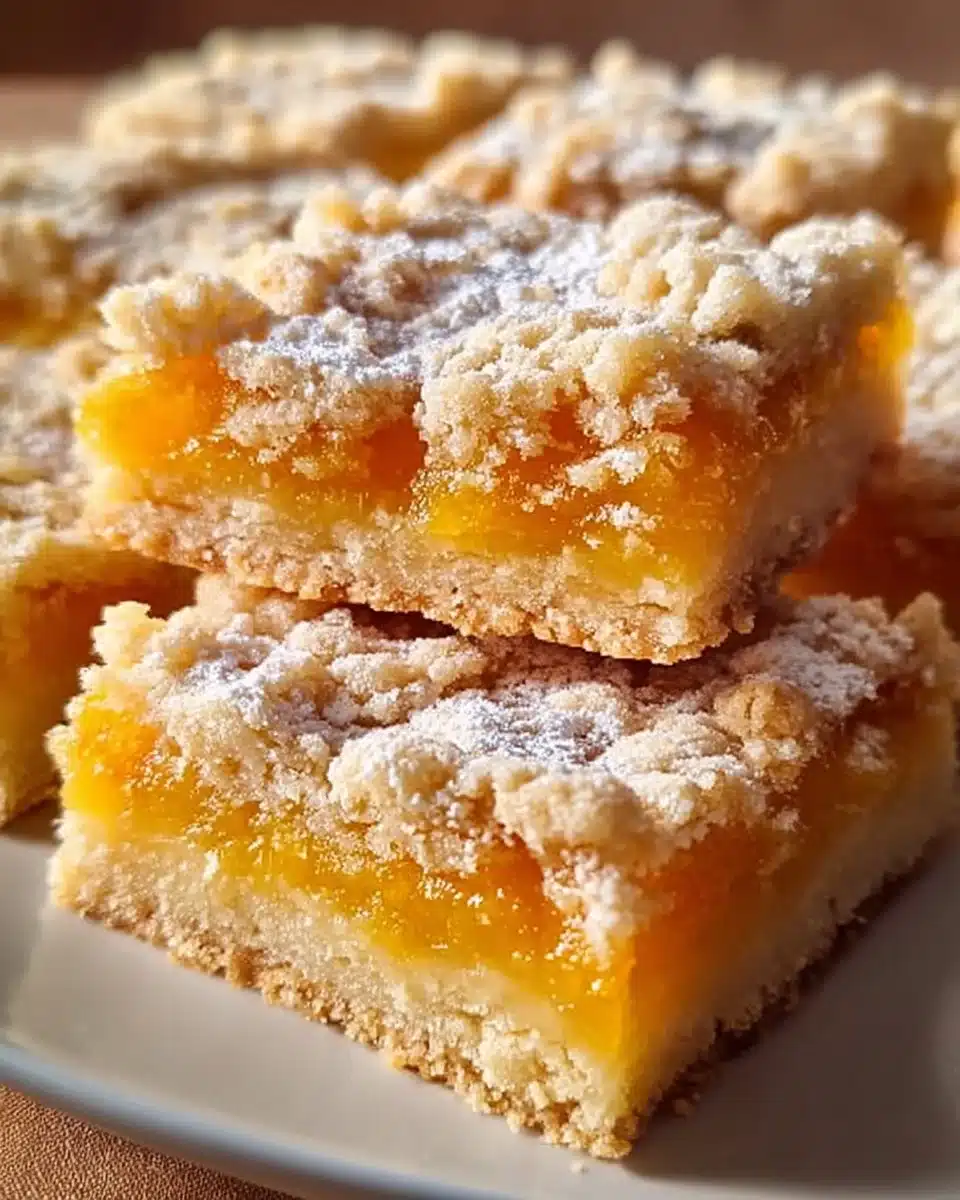
Apricot Shortbread Bars are a nostalgic, buttery treat that pairs a tender shortbread base with a jammy apricot filling for a perfect afternoon bite. If you enjoy fruit-forward bars, you might also appreciate a similarly cozy fall option like this caramel apple cheesecake bars recipe to add variety to your baking rotation.
Why make this recipe
Apricot Shortbread Bars are a wonderful balance of textures: a crisp-tender shortbread base, a soft, slightly chewy apricot layer, and a crumbly topping. They’re approachable for bakers of all skill levels because the technique is straightforward — think mixing, pressing, spreading, and baking — yet the result feels special and homemade. These bars are great for lunchboxes, potlucks, afternoon tea, or a make-ahead dessert for a week of treats.
Dried apricots concentrate flavor, so you get that sunny apricot taste year-round without needing fresh fruit. The lemon juice brightens the filling and keeps it from tasting too sweet, while the shortbread offers buttery comfort. Because the recipe scales well and keeps its shape when cut, it’s also ideal for gifting: wrap a few bars in parchment and tie with twine.
How to make Apricot Shortbread Bars
This recipe breaks into three main stages: preparing the apricot filling, making the shortbread dough, and assembling and baking the bars. Work efficiently by getting the filling started first so it has time to cool before assembly. Cold butter in the dough helps create that classic shortbread crumb; cut it in until the mixture resembles coarse crumbs, then bind lightly with the beaten egg before pressing.
When assembling, reserve about a third of the dough to crumble over the apricot layer to create a pleasing texture contrast. Bake until golden and fragrant; letting the bars cool fully before slicing allows the filling to set and the edges to stay clean.
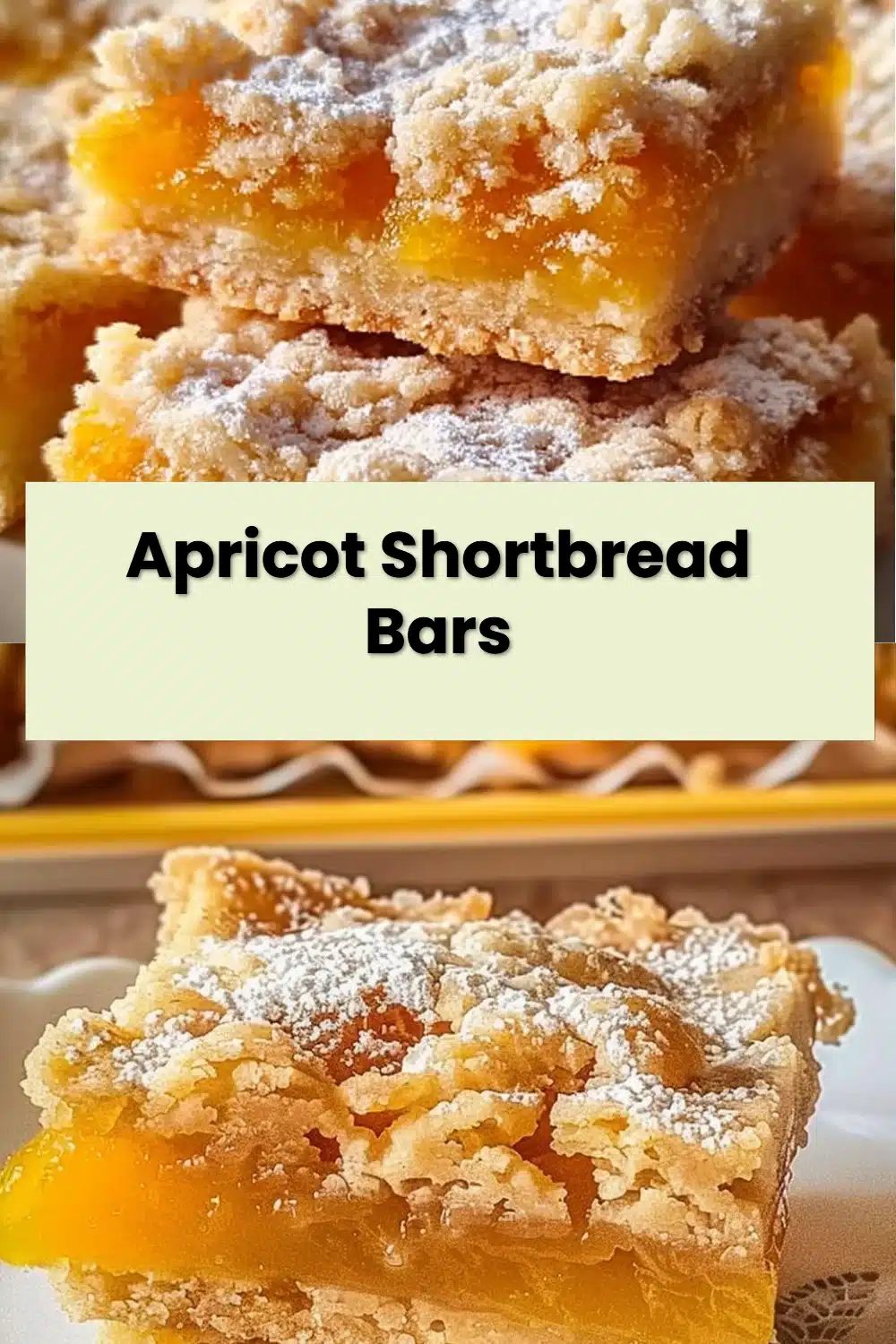
Ingredients :
- 3 cups all-purpose flour
- 1 cup granulated sugar
- 1 teaspoon baking powder
- 1/2 teaspoon salt
- 1 1/2 cups unsalted butter (cold)
- 1 large egg (lightly beaten)
- 2 cups dried apricots (roughly chopped)
- 1/2 cup granulated sugar (for filling, adjust to taste)
- 2 tablespoons fresh lemon juice
Ingredient notes and substitutions:
- Flour: Use regular all-purpose flour as written. For a slightly more tender crumb, you can substitute up to 1/2 cup of all-purpose with cake flour, but the bars will be a bit more delicate.
- Sugar: The recipe calls for granulated sugar in both crust and filling. If you prefer less sweetness, reduce the 1/2 cup in the filling to 1/3 cup. If you like a deeper flavor, swap the crust sugar for light brown sugar (same measure) to add a hint of molasses.
- Butter: Use unsalted butter to control sodium. If you only have salted butter, omit the 1/2 teaspoon salt and taste the filling before adding any more salt.
- Dried apricots: If your apricots are very dry and leathery, rehydrate them by simmering briefly (see Directions) or soaking in hot water for 15–20 minutes and draining. You can also use apricot preserves if you prefer a smoother, spreadable filling; reduce the added sugar when doing so.
- Egg: The beaten egg binds the dough; if you need an egg-free version, use 3 tablespoons of cold heavy cream or a commercial egg replacer designed for baking, though texture will differ slightly.
- Lemon juice: A fresh squeeze is best to brighten the apricot filling. Mild vinegar (apple cider vinegar) can be substituted in a pinch, but lemon is preferred for flavor.
Directions :
- In a saucepan, simmer chopped dried apricots with water and sugar until tender. Stir in lemon juice.
- Preheat oven to 375°F (190°C) and prepare a baking pan.
- Mix flour, sugar, baking powder, and salt; cut in cold butter until crumbly. Combine with beaten egg and vanilla.
- Press dough into the pan, layer with cooled apricot filling, then crumble reserved dough on top.
- Bake for 30-35 minutes until golden brown; cool before cutting into bars.
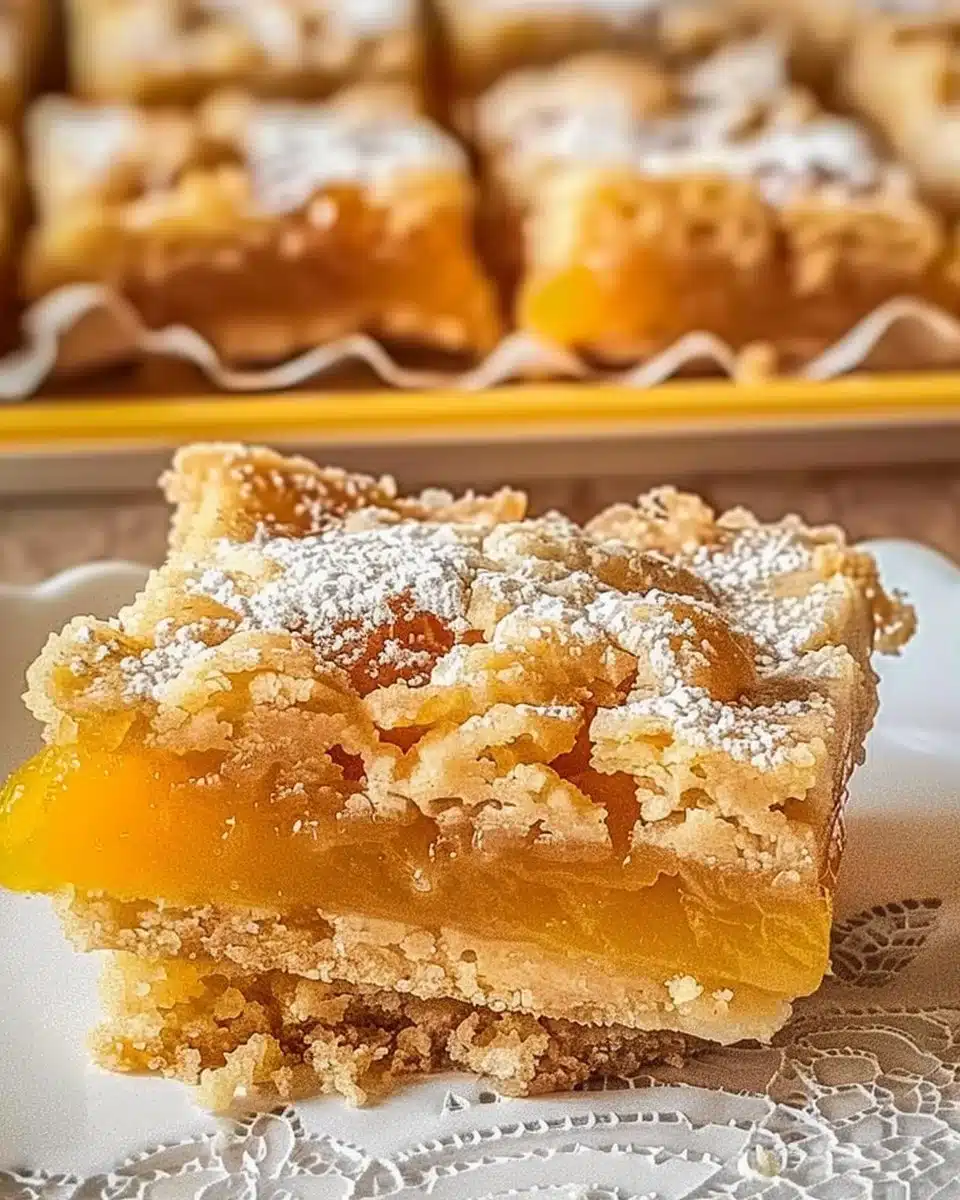
Pro Tips for Success Apricot Shortbread Bars
- Use cold butter and work quickly: Cold butter produces a tender, flaky crumb. Cut it into the dry ingredients until the mixture resembles coarse crumbs — a few small pea-sized pieces are okay.
- Cool the filling completely before assembly: Hot or warm filling will make the dough soggy and can cause the top crumbs to melt into the filling instead of staying distinct.
- Press the base firmly: A compact, even base bakes into a shortbread that holds together when sliced. Use the bottom of a measuring cup to press the dough evenly into the pan.
- Reserve and chill some dough for topping: If your dough warms while handling, pop the reserved topping in the fridge for 10 minutes before crumbling it over the filling.
- Line the pan: Parchment paper with an overhang on two sides makes removing and slicing the bars much easier and yields cleaner edges.
- Let the bars cool and chill: Allow the bars to cool to room temperature, then refrigerate for 30–60 minutes before cutting for the cleanest slices.
Flavor Variations Apricot Shortbread Bars
- Mixed stone fruit: Replace half the dried apricots with dried peaches or cherries for a mixed-fruit bar. Adjust sugar in the filling based on how sweet the fruit is.
- Almond apricot: Add 1/2 teaspoon almond extract to the crust and sprinkle 1/3 cup sliced almonds on top before baking for extra crunch and aroma.
- Citrus-ginger: Stir 1 teaspoon grated fresh ginger and the zest of one orange into the apricot filling for a spicy-citrus lift that pairs beautifully with apricot.
- Coconut shortbread: Fold 1/2 cup unsweetened shredded coconut into the crust and use macadamia or hazelnuts as a finishing crumb for a tropical twist.
- Preserves shortcut: Use 1½ to 2 cups high-quality apricot preserves instead of simmering dried apricots; reduce the filling sugar to 1/4 cup or omit entirely depending on sweetness.
Serving Suggestions Apricot Shortbread Bars
Apricot Shortbread Bars are versatile. Serve them at room temperature with a dusting of powdered sugar for an elegant look, or warm a slice and top it with a scoop of vanilla ice cream for dessert. They pair beautifully with a cup of black tea or a mild coffee for afternoon tea, and their portable size makes them ideal for picnics or lunchboxes.
For a dessert board, cut bars into small squares and arrange with fresh berries, nuts, and a few chocolate squares to balance sweetness. If you want to explore other baked bar options for a gathering, contrast these bright apricot bars with a richer, cream cheese–forward bar like the irresistibly indulgent carrot cake cream cheese bars to offer guests variety.
Storage and Freezing Instructions Apricot Shortbread Bars
Store cooled bars in an airtight container at room temperature for up to 3 days. For longer storage, keep them in the refrigerator in a tightly sealed container for up to 1 week; chilling helps the apricot layer stay firm. To freeze, place bars in a single layer on a baking sheet until firm, then stack with parchment paper layers between and store in a freezer-safe container for up to 3 months.
To thaw frozen bars, move them to the refrigerator overnight and bring to room temperature before serving. If you like them warm, reheat individual slices in the microwave for 10–20 seconds or in a 300°F (150°C) oven for 8–10 minutes.
Nutrition Facts (Per Serving)
Estimated per serving (assuming recipe yields 24 bars):
- Calories: 240 kcal
- Protein: 2 g
- Carbohydrates: 34 g
- Fat: 14 g
- Fiber: 2.5 g
- Sodium: 70 mg
Nutrition notes:
These values are rough estimates based on typical ingredient weights and the recipe yield of 24 bars. Using preserves instead of dried fruit or swapping brown sugar for white will change totals. If you need precise nutrition information for medical or dietary reasons, calculate with your exact brands and serving size or use a lab-tested analysis.
FAQ About Apricot Shortbread Bars
What texture should I expect from these bars?
Apricot Shortbread Bars should have a tender but slightly crisp shortbread base and top, with a soft, jam-like apricot layer in the middle. The shortbread is crumbly but cohesive enough to pick up and eat, and the filling should not be runny — it should hold its shape when cooled. If your bars are too soft, the filling was likely not cooked or reduced enough or the bars weren’t cooled long enough before slicing.
Can I use fresh apricots instead of dried?
Yes, you can use fresh apricots. If substituting fresh apricots, use about 3 to 3½ cups of chopped fresh fruit. Cook them down with the sugar and lemon juice until they soften and the mixture thickens to a jammy consistency. Fresh fruit contains more water than dried, so simmer longer to reduce moisture and achieve the proper filling thickness.
How do I prevent the bottom from getting soggy?
A few techniques help prevent sogginess: press the base firmly and evenly into the pan so it’s compact; cook the apricot filling until it’s thick and spreadable rather than watery; and allow the bars to cool completely before slicing. Lining the pan with parchment and precooling the crust in the fridge for 10–15 minutes before prebaking (if you choose to prebake) can also help, though this recipe is designed to set without prebaking.
Can I make these gluten-free?
Yes — substitute a 1:1 gluten-free all-purpose flour blend that contains xanthan gum for the regular flour. Results will vary slightly by blend: some make a more tender shortbread, and others a bit more crumbly. Refrigerate the dough if it feels too soft, and consider reducing handling time to prevent overworking the gluten-free flours.
What size pan should I use, and how does pan size affect baking time?
A 9×13-inch baking pan is the most common size for this recipe and will produce bars of moderate thickness that bake in 30–35 minutes. If you use a smaller pan, the bars will be thicker and require more time — increase baking time by 5–10 minutes and watch for deep golden color. For a shallower bar (thinner layers), use a larger pan and shorten baking time slightly. Always check for a golden top and set filling before removing from the oven.
Can I prepare the apricot filling ahead of time?
Absolutely. The filling can be made 2–3 days ahead and refrigerated in an airtight container. Allow it to come to room temperature (or warm slightly) before assembling so it spreads easily but isn’t hot. This is a great way to speed up holiday or batch baking.
Final Thoughts
Apricot Shortbread Bars are a timeless, simple-to-make dessert that highlights the sweet-tart charm of apricots with the comforting richness of shortbread. They’re forgiving in technique, adaptable to flavor variations, and excellent for sharing or gifting. Whether you’re making them as a weekday treat or a crowd-pleasing bake for a gathering, these bars deliver reliably satisfying results with a minimal ingredient list. Enjoy the baking, and don’t be afraid to tweak the filling sweetness or topping mix-ins to make the recipe your own.
Print
Apricot Shortbread Bars
- Total Time: 50 minutes
- Yield: 24 servings
- Diet: Vegetarian
Description
A nostalgic buttery treat that combines a tender shortbread base with a jammy apricot filling for the perfect afternoon bite.
Ingredients
- 3 cups all-purpose flour
- 1 cup granulated sugar
- 1 teaspoon baking powder
- 1/2 teaspoon salt
- 1 1/2 cups unsalted butter (cold)
- 1 large egg (lightly beaten)
- 2 cups dried apricots (roughly chopped)
- 1/2 cup granulated sugar (for filling, adjust to taste)
- 2 tablespoons fresh lemon juice
Instructions
- In a saucepan, simmer chopped dried apricots with water and sugar until tender. Stir in lemon juice.
- Preheat oven to 375°F (190°C) and prepare a baking pan.
- Mix flour, sugar, baking powder, and salt; cut in cold butter until crumbly. Combine with beaten egg.
- Press dough into the pan, layer with cooled apricot filling, then crumble reserved dough on top.
- Bake for 30-35 minutes until golden brown; cool before cutting into bars.
Notes
Use cold butter for a tender, flaky crumb. Cool the filling completely before assembly for best results.
- Prep Time: 15 minutes
- Cook Time: 35 minutes
- Category: Dessert
- Method: Baking
- Cuisine: American