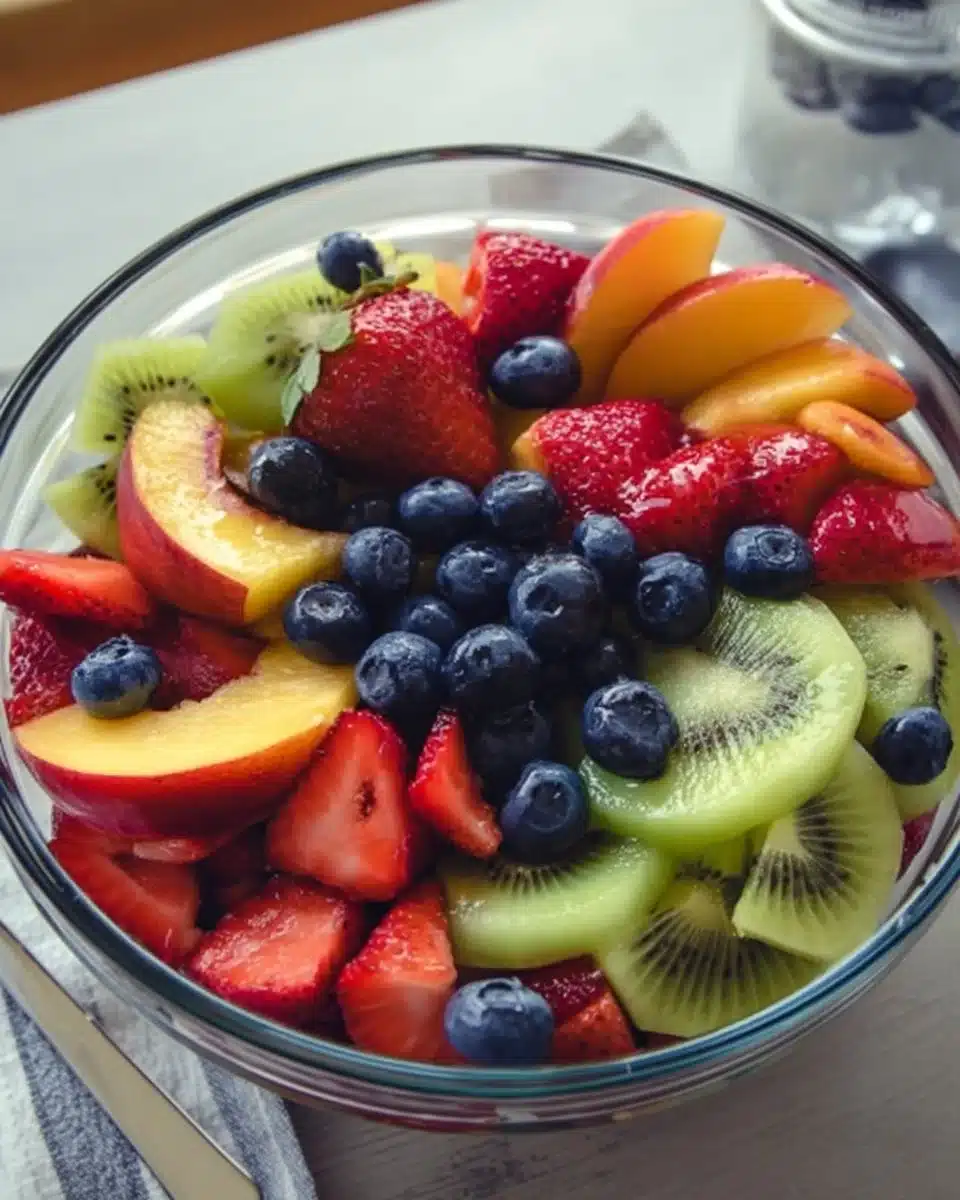
Fruit Salad is a bright, refreshing combination of fresh fruits tossed with a simple honey-lime dressing that makes a perfect snack, side, or light dessert. For inspiration on presentation and ingredient pairings, you can explore some great ideas on fresh mixed fruit salad ideas. This approachable recipe is versatile, quick to pull together, and easy to scale for a family meal or a picnic with friends.
Whether you want something healthy to pack for lunch, a colorful bowl to bring to a potluck, or a simple way to use up seasonal fruit, this Fruit Salad recipe fits the bill. Below you’ll find a clear how-to, ingredient notes and substitutions, handy tips for success, variation ideas, storage advice, nutrition estimates, and answers to common questions. Read on to make a fruit salad that looks as good as it tastes.
Why make this recipe
Fruit Salad is one of those dishes that does a lot with very little: it celebrates fresh produce, requires minimal hands-on time, and delivers big flavor with a light dressing. There are several reasons to make this particular recipe.
- It emphasizes seasonal fruit, which tends to be more flavorful and less expensive than out-of-season options.
- The honey-lime dressing brightens flavors and helps slow browning on cut fruit, making the salad taste fresher for longer.
- It’s adaptable for dietary needs—vegan swaps, lower-sugar alternatives, and allergy-friendly fruit choices are easy to implement.
- It’s kid-friendly and traveling-friendly: make it for school lunches, barbecues, brunches, or a healthy dessert.
- The recipe scales well, so you can multiply it for a crowd or reduce it for a quick personal snack.
This recipe encourages simple technique over complicated steps, so you’ll spend most of your time enjoying the fruit rather than fussing in the kitchen. It’s a great way to highlight excellent produce and to build confidence with knife skills, flavor balancing, and presentation.
How to make Fruit Salad
Making this Fruit Salad is straightforward, but a few small details make a noticeable difference: choose ripe fruit, chop uniformly, and coat the pieces with the dressing to bring everything together. Below is a friendly walkthrough of the process and what to watch for as you prepare it.
- Pick ripe but firm fruit: overly soft fruit will turn mushy quickly; underripe fruit will taste starchy. Aim for a mix of textures—crisp apples or grapes, juicy citrus, tender berries.
- Wash everything thoroughly. Even fruits with peels or rinds benefit from a quick rinse to remove dirt, wax, or residues.
- Chop to similar sizes. Uniform bite-sized pieces (roughly 1/2- to 3/4-inch) make the salad easy to eat and ensure every spoonful has a balanced mix of flavors.
- Make the dressing fresh. The honey and lime juice will add shine and a subtle sweetness that lifts acidic fruits without overpowering delicate berries.
- Toss gently. Over-stirring can crush softer fruits; use a large bowl and fold the dressing through with a spatula rather than vigorously stirring.
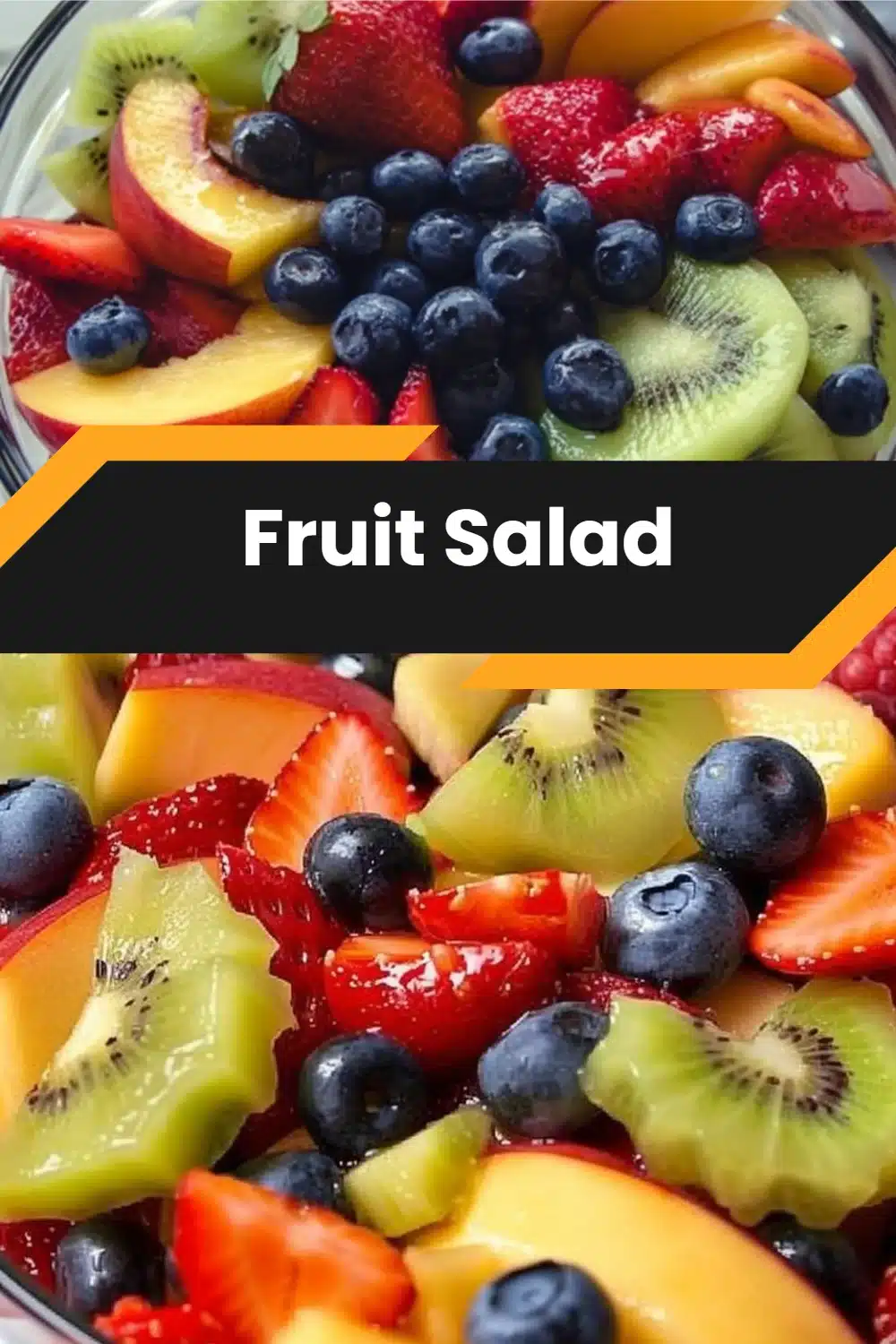
Ingredients :
- assorted fresh fruits (such as strawberries, blueberries, kiwis, oranges, and melons)
- 2 tablespoons honey
- 1 lime (juiced)
Ingredient notes and substitutions:
- Fruit selection: The recipe lists strawberries, blueberries, kiwis, oranges, and melons as examples. You can swap in peaches, nectarines, pineapple, green or red grapes, bananas (add right before serving), apples, pears, or mango. If someone has a citrus sensitivity, use additional juice from a mild apple or a splash of white grape juice instead of lime.
- Honey alternatives: For a vegan version, replace honey with maple syrup or agave nectar at a 1:1 ratio. If you’re watching sugar, use a sugar substitute like a monk fruit syrup sparingly, but be aware it won’t add the same texture or browning prevention as natural sugars.
- Lime alternatives: Lemon juice works well in place of lime and gives a slightly different but equally bright tang. A light splash of mild white balsamic vinegar can also be used in small amounts for a subtle sweet-acid balance.
- Fruit ripeness: If using very tart fruit (like underripe kiwis), add a touch more honey to balance. If fruit is too sweet, increase lime juice by a teaspoon or two to add acidity.
Directions :
- Wash and chop the assorted fruits into bite-sized pieces.
- In a small bowl, mix the honey and lime juice together to create the dressing.
- Drizzle the honey lime dressing over the chopped fruits and gently toss to combine.
- Serve immediately or refrigerate until ready to serve.
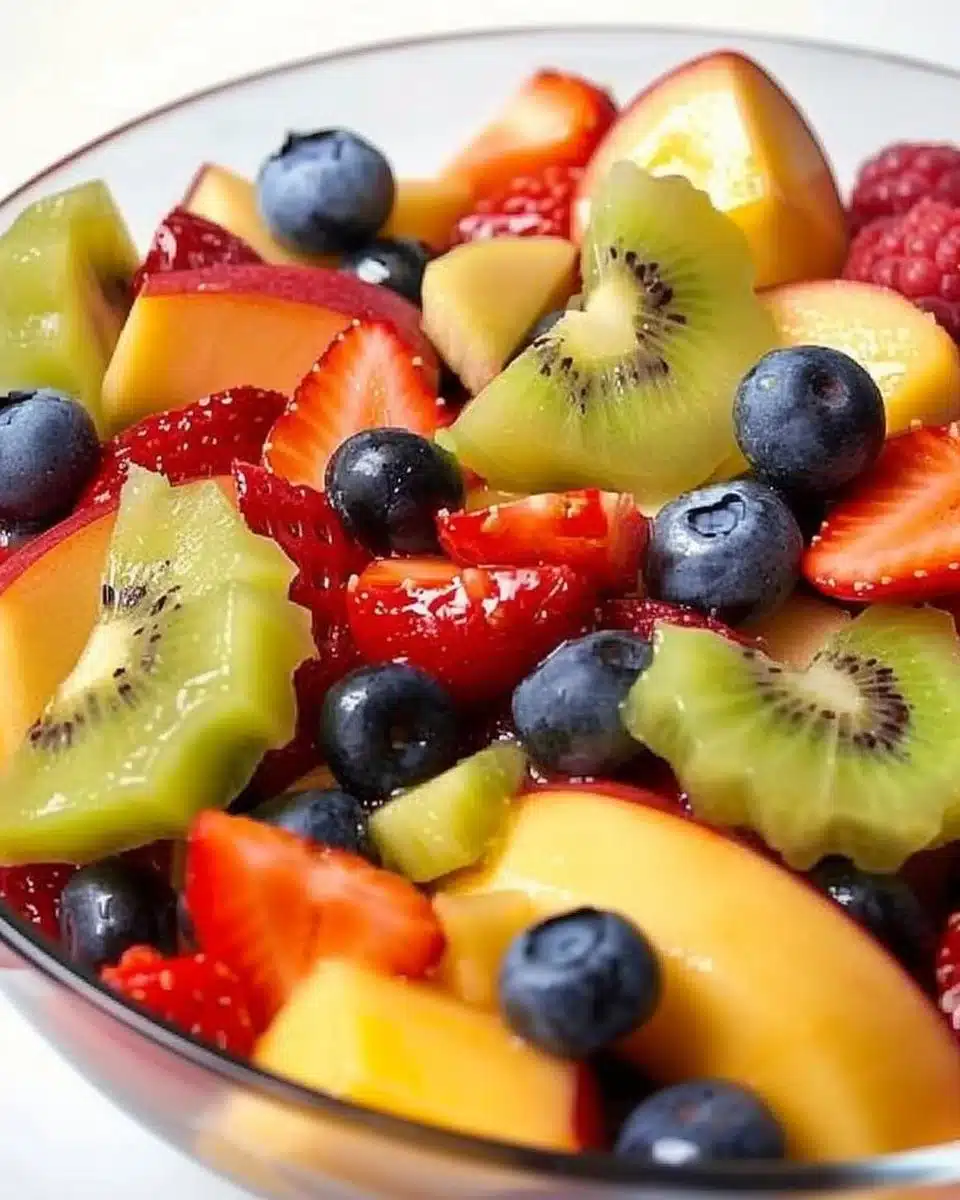
Pro Tips for Success Fruit Salad
- Choose a variety of textures and colors. Combining firm, soft, juicy, and crunchy fruits gives every forkful contrast and visual appeal.
- Add delicate fruits last. Berries and sliced bananas should be mixed in gently and as close to serving time as possible so they stay intact.
- Chill the bowl and utensils. Cooler serving dishes help keep fruit fresh and slow the loss of texture, especially in warm weather.
- Taste as you go. Depending on the sweetness and acidity of your fruit, you may want to add a little more honey or lime to balance flavors—add small amounts and taste after each addition.
- Keep dressings light. Too much dressing can make the fruit watery; a thin coating is enough to bring the flavors together and avoid sogginess.
- Serve within a day when possible. While the dressing helps preserve color and texture, cut fruit will naturally soften over time.
Flavor Variations Fruit Salad
- Tropical twist: Use pineapple, mango, banana, and papaya with a lime-honey drizzle and a sprinkle of toasted coconut or chopped macadamia nuts for crunch.
- Citrus and mint: Combine orange segments, grapefruit, and thinly sliced fennel with the honey-lime dressing and fresh chopped mint for a refreshing, palate-cleansing salad.
- Berry-laced yogurt: Add blueberries, raspberries, and strawberries to the mix and serve alongside a dollop of Greek yogurt sweetened with a touch of honey and vanilla for a protein boost.
- Spiced fruit salad: Toss chopped apples, pears, and peaches with a dressing that includes a pinch of ground cinnamon or cardamom along with honey and lime for a cozy fall flavor.
- Savory-sweet: Add diced cucumber, a handful of chopped fresh basil, and a tiny splash of olive oil to contrast sweet fruit with bright herbal notes—great as a side with grilled chicken or fish.
Serving Suggestions Fruit Salad
- As a side dish: Serve Fruit Salad alongside grilled meats, roasted chicken, or fish to provide a fresh counterpoint to savory flavors. The citrus and honey dressing pairs particularly well with smoky or spicy dishes.
- For brunch: Offer it next to pancakes, waffles, or a baked French toast; add a scoop of ricotta or a swirl of yogurt on the side for a richer option.
- Dessert option: Spoon the fruit salad over a small scoop of vanilla ice cream, frozen yogurt, or sorbet for a light dessert that still feels indulgent.
- Party bowl: Present the salad in a wide, shallow bowl so the colors are visible and people can help themselves; garnish with fresh mint leaves, edible flowers, or a sprinkle of chopped pistachios for texture.
- Portable snack: Pack the fruit and dressing separately if you need to transport the salad; toss just before serving to keep everything fresh and prevent sogginess. For more ideas on preparing and dressing fruit for gatherings, see homemade fruit salad variations.
Storage and Freezing Instructions Fruit Salad
Storing and freezing fruit salad depends on the types of fruit you used and whether the dressing is already mixed in.
- Short-term refrigeration: If the dressing is already added, store the salad in an airtight container in the refrigerator for up to 24–36 hours. Expect softer textures after the first day. For best mouthfeel, serve within the first day.
- Storing fruit separately: If you plan ahead, chop firmer fruits (like apples and melons) and keep softer fruits (like berries and bananas) whole or sliced and refrigerated separately. Add dressing and combine right before serving to maintain texture.
- Preventing wateriness: Some fruits release juice as they sit. To limit this, dry fruit pieces gently with paper towels after washing, and avoid overripe fruit. Use the dressing sparingly until right before serving.
- Freezing tips: Freezing is best for individual fruits rather than the finished salad. Stem and wash berries and lay them in a single layer on a tray until frozen, then transfer to a freezer bag. Frozen fruit is excellent for smoothies but loses crunch and structure for a fresh salad. If you freeze a mix with honey-lime dressing, expect significant textural change upon thawing.
- Reviving slightly wilted fruit: If fruit gets a bit watery but not spoiled, you can recover it by draining excess juice, adding a splash of fresh lime, and stirring in a few fresh, crunchy elements—chopped apple, toasted nuts, or seeds—to bring back texture.
Nutrition Facts (Per Serving) —
Estimated per serving (recipe yields about 4 servings). Values are approximate and will vary by fruit selection and portion sizes.
- Calories: 125 kcal
- Protein: 1.2 g
- Carbohydrates: 32 g
- Fat: 0.3 g
- Fiber: 3.5 g
- Sodium: 2 mg
Notes on nutrition:
- The majority of calories come from the fruit’s natural sugars and the 2 tablespoons of honey, which contribute roughly 120–130 calories total; split across four servings makes the salad a light snack or side.
- Protein is low in this fruit-focused dish; serve with a protein-rich side (Greek yogurt, cottage cheese, or a handful of nuts) to make it more filling.
- Fiber varies by fruit selection—berries, apples, and pears add more fiber compared with melons and citrus.
- Sodium is negligible unless you add salted toppings like roasted nuts.
FAQ About Fruit Salad
How long will a fruit salad last in the refrigerator?
When prepared with the honey-lime dressing, this Fruit Salad will hold best for about 24 to 36 hours in the refrigerator. After that, softer fruits like berries and bananas begin to break down, releasing extra liquid that makes the salad watery and less visually appealing. If you store components separately (hard fruits chilled separately from berries and dressing), you can extend freshness for up to two days. Always check for off smells or excessive mushiness before serving.
Can I make fruit salad ahead of time for a party?
Yes, you can make most of the prep ahead of time. Chop firmer fruits and store them separately in airtight containers; combine delicate fruits, such as berries and bananas, and add dressing shortly before serving. If you must fully assemble in advance, keep the salad refrigerated and plan to serve within the first day; give it a gentle toss before presenting. For travel, pack dressing in a small sealed jar and toss at the venue for the freshest result.
My fruit salad gets watery—what causes that and how can I prevent it?
The wateriness comes from fruits releasing their juices as cell walls break down—riper fruit releases more liquid. To prevent this, choose fruit that is ripe but firm, dry fruit thoroughly after washing, and hold off on adding delicate fruits and dressing until just before serving. Using citrus juice in the dressing helps reduce enzymatic browning but won’t stop juice release; a light dressing rather than a heavy syrup will also keep the salad less watery.
How do I prevent cut fruit, like apples and bananas, from turning brown?
Citrus juice (lime or lemon) is the simplest and most effective way to slow browning because its acidity slows enzymatic reactions that turn fruit brown. Coat apple slices and banana pieces lightly with the honey-lime dressing in this recipe, or dunk them in diluted lemon juice before adding to the mix. Another trick is to keep highly reactive fruits in larger chunks and add them right before serving.
Is honey safe for toddlers in fruit salad?
Honey should not be given to infants under 12 months due to the risk of infant botulism. For children over 1 year old, honey is generally safe in small amounts. If you’re serving toddlers under 1 or are unsure about honey, substitute with an equal amount of maple syrup or a tiny bit more lime juice for sweetness without honey.
Can I use frozen fruit in this recipe?
Frozen fruit works well if you’re using the salad for smoothies or a chilled dessert, but it’s not ideal for a fresh fruit salad because freezing and thawing breaks down cell walls and produces excess liquid. If you must use frozen fruit, thaw and drain well, or reserve them for blended preparations rather than a short-term fresh salad.
What are the best fruits to include for flavor balance?
Aim for a mix of sweet, tart, and crunchy: sweet (mango, melon, ripe peach), tart (kiwi, green apple, grapefruit segments), and crunchy (apple, pear, small pieces of celery if you like savory crunch). Berries add a tart-sweet pop and good color contrast. Balancing these textures and taste profiles ensures the salad is interesting with every bite.
Can I add herbs or spices to this fruit salad?
Yes—fresh herbs can elevate the profile nicely. A few torn mint leaves work wonderfully with berries and melon, while basil pairs well with strawberries and peaches. For a warming twist, a pinch of ground cardamom or cinnamon complements stone fruits and apples. Add herbs sparingly and taste as you go to keep the balance right.
Final Thoughts
Fruit Salad is a simple, wonderfully flexible recipe that celebrates fresh produce and bright flavors with minimal fuss. With thoughtful fruit selection, a light honey-lime dressing, and a few smart storage and serving choices, you can enjoy a colorful, healthy dish for many occasions. Whether you keep it classic with berries and melon or venture into tropical or spiced variations, this fruit salad is easy to adapt, infinitely shareable, and quick enough for weeknights or weekend gatherings. Enjoy the bright, natural sweetness—and remember that a little care in preparation goes a long way toward a stunning bowl.
Print
Fruit Salad
- Total Time: 15 minutes
- Yield: 4 servings
- Diet: Vegan
Description
A bright, refreshing combination of fresh fruits tossed with a honey-lime dressing, perfect for a snack, side, or light dessert.
Ingredients
- Assorted fresh fruits (such as strawberries, blueberries, kiwis, oranges, and melons)
- 2 tablespoons honey
- 1 lime (juiced)
Instructions
- Wash and chop the assorted fruits into bite-sized pieces.
- Mix the honey and lime juice together in a small bowl to create the dressing.
- Drizzle the honey-lime dressing over the chopped fruits and gently toss to combine.
- Serve immediately or refrigerate until ready to serve.
Notes
Choose a variety of textures and colors for visual appeal. Serve within a day for the best freshness.
- Prep Time: 15 minutes
- Cook Time: 0 minutes
- Category: Side Dish
- Method: No Cooking Required
- Cuisine: American