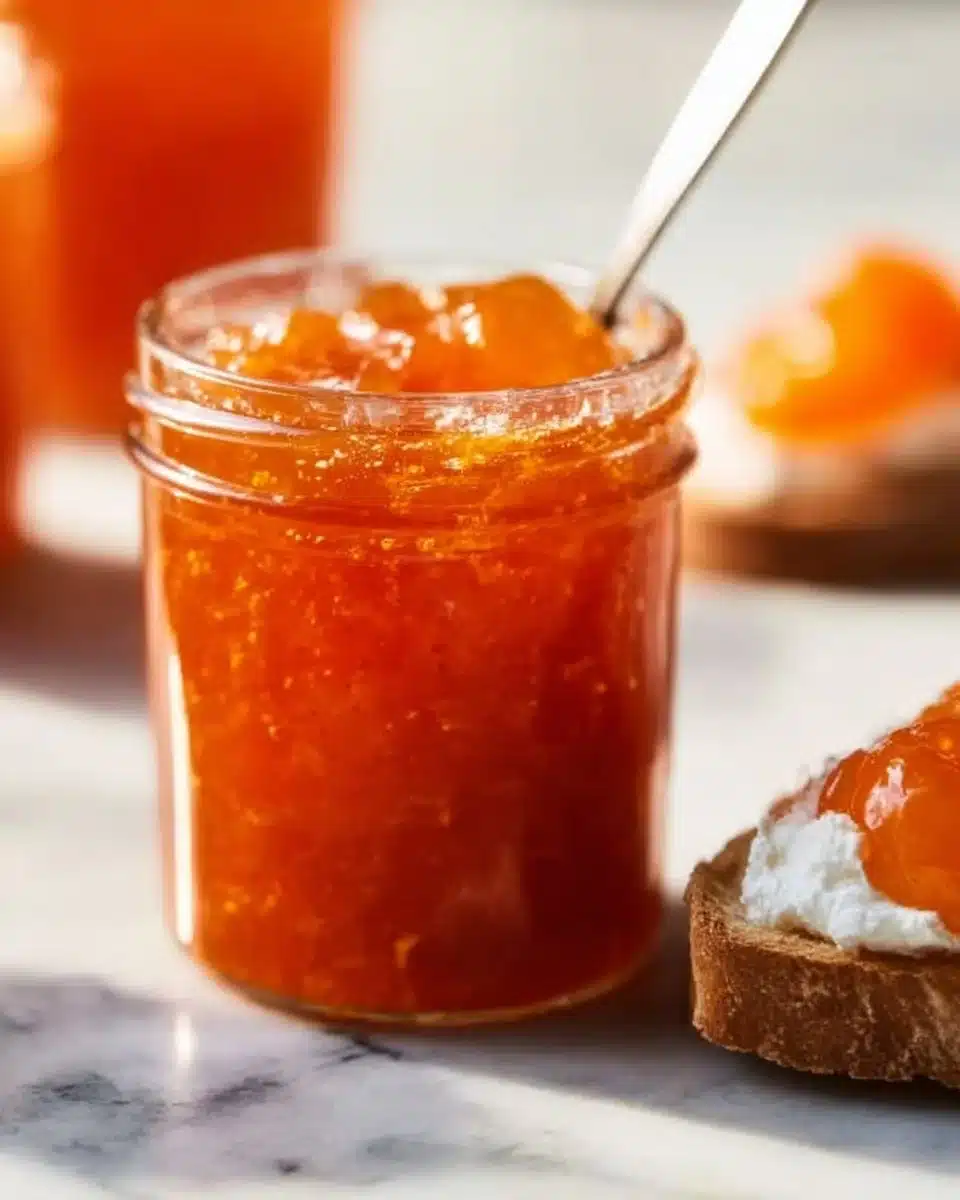
Apricot Jam: A Sweet Homemade Staple
Apricot Jam is a bright, sun-kissed preserve that captures the flavor of ripe stone fruit in a spoonable jar. Making apricot jam at home is rewarding, economical, and keeps you in control of sweetness and texture. If you enjoy preserving seasonal fruit, you might also enjoy this classic Mardi Gras jambalaya as another way to celebrate fresh, homemade cooking.
This article walks you through why this simple apricot jam recipe is worth the effort, how to make it step by step, smart ingredient notes and substitutions, flavor variations, serving ideas, storage tips, nutrition facts, and answers to common questions. The recipe uses only fresh apricots, sugar, and lemon juice, so it’s approachable whether you’re a first-time jam-maker or a seasoned preserver. Read on to learn how to get set, silky apricot jam every time.
Why Make This Recipe
Apricot jam is a timeless pantry staple with a bright flavor that works in sweet and savory dishes. Fresh apricots cook down into a fragrant jam that can be used year-round on toast, stirred into yogurt, folded into baked goods, or paired with cheese. This recipe uses three basic ingredients, making it a great entry point into fruit preservation without specialized equipment.
Homemade jam also lets you adjust sweetness, texture, and flavor. You can make it chunky or smooth, low-sugar or sweeter, and add spices or extracts if you like. Compared with store-bought spreads, homemade apricot jam often tastes more vibrant and less processed. The simple method below produces a fridge-ready jam you can enjoy within days or freeze for longer storage.
How to Make Apricot Jam
Below is the straightforward, reliable method for a small-batch apricot jam that yields a natural fruit-forward preserve. This recipe reflects the core steps: wash and chop apricots, combine with sugar and lemon juice, cook until thick, and jar while hot. Follow the directions carefully and use the pro tips later in this article to get an ideal set and flavor.
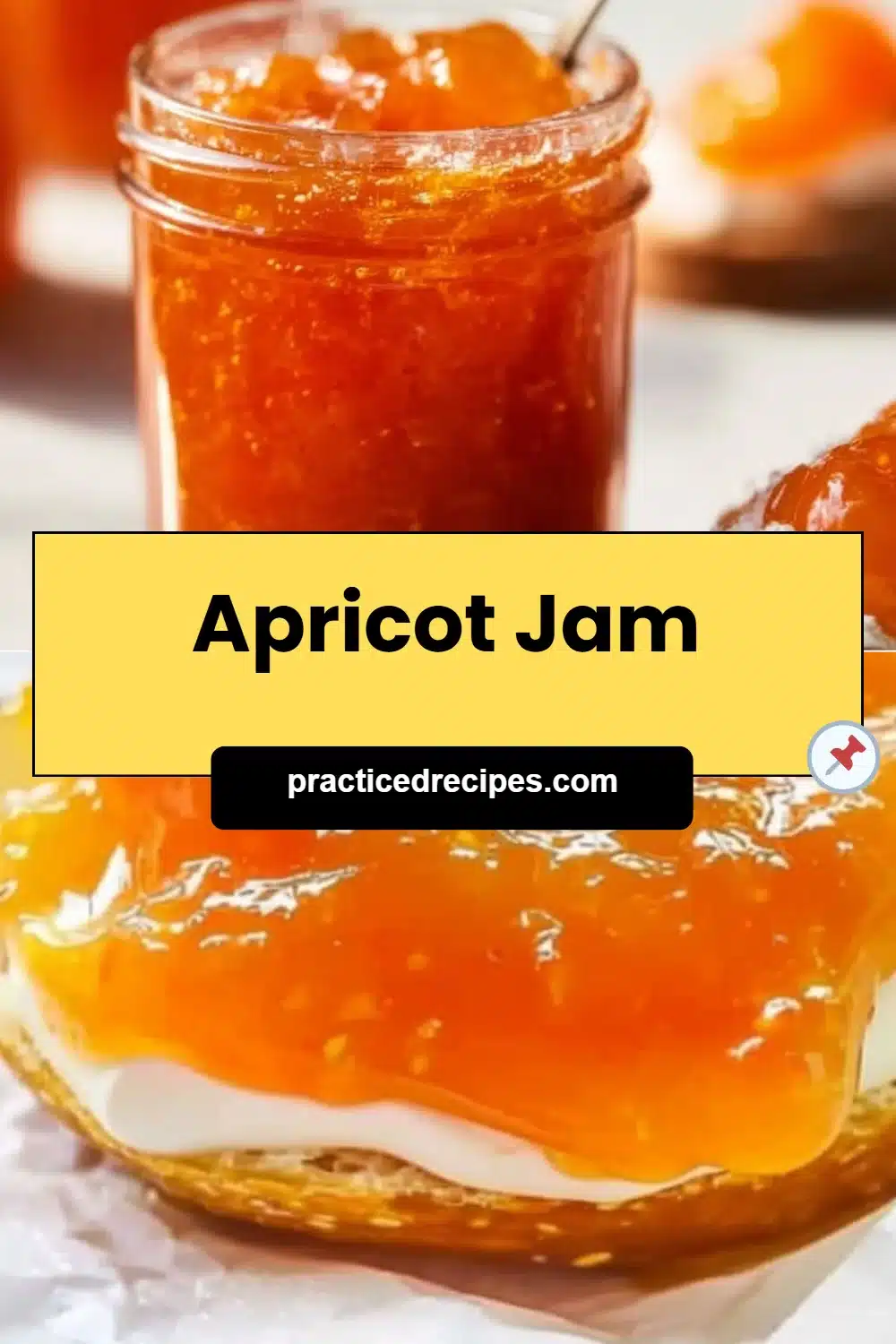
Ingredients :
- fresh apricots
- sugar
- lemon juice
Ingredient notes and substitutions:
- Fresh apricots: Choose ripe but firm fruit for the best balance of sweetness and acidity. Overripe apricots will work but can produce a darker flavor and thinner texture. If fresh apricots aren’t available, thawed frozen apricots work well—drain any excess liquid before cooking.
- Sugar: This recipe uses plain granulated sugar. Sugar helps flavor, texture, and preservation. If you prefer less sugar, you can reduce it slightly, but expect a softer set. For low-sugar versions, consider using a commercial low-sugar pectin and follow its instructions.
- Lemon juice: Fresh lemon juice adds acid to help the jam set and brighten the fruit flavor. If you don’t have lemons, bottled lemon juice is a functional substitute, or you can use a small amount of mild vinegar in a pinch, but fresh lemon is best for flavor.
Directions :
- Wash and chop the apricots, removing the pits.
- In a pot, combine the chopped apricots, sugar, and lemon juice.
- Cook over medium heat, stirring frequently until the mixture boils.
- Reduce heat and simmer for about 20-30 minutes, or until it thickens to your desired consistency.
- Pour the hot jam into sterilized jars, seal, and let cool. Store in the refrigerator.
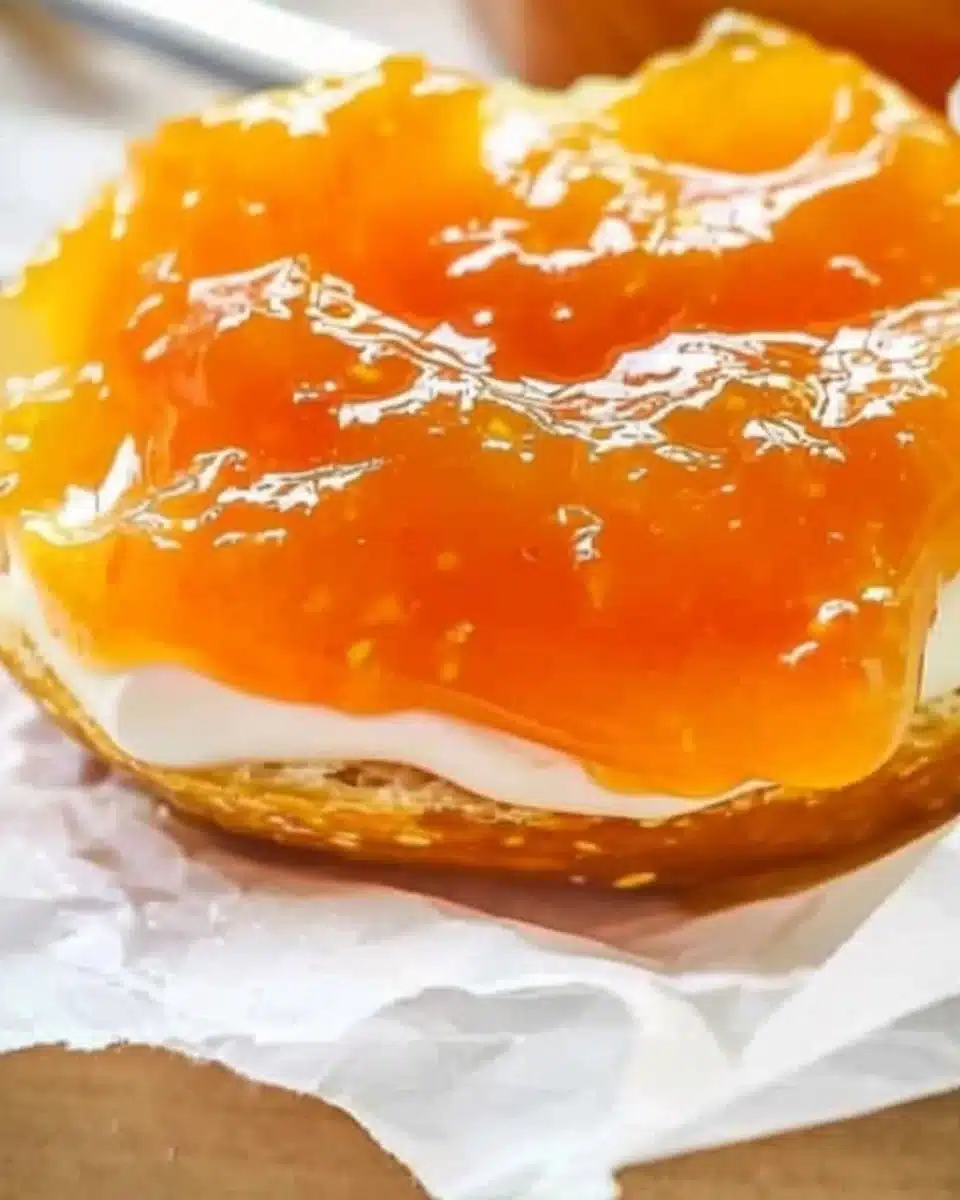
Pro Tips for Success Apricot Jam
- Measure your fruit and sugar consistently. Use a kitchen scale when possible. A common ratio for fruit-to-sugar in traditional jam is roughly 1:1 by weight, but small-batch recipes can be adjusted. Keeping proportions consistent helps predict the final texture.
- Stir frequently and lower the heat when the jam nears a boil. Fruit sugars can scorch on the bottom of the pan, which leads to bitter spots. Use a heavy-bottomed pot to spread heat evenly.
- Test the set early and often. Use temperature and visual tests to check for doneness (see FAQ for methods). Jam continues to thicken as it cools, so pull it off the heat a little before you think it’s done.
- Skim foam if necessary. Some fruit jam develops foam while cooking. A metal spoon or small sieve can remove foam for a clearer finished jam.
- Sterilize jars and lids before filling. For short-term refrigerator storage it’s fine to pour jam into clean, hot jars and refrigerate, but always ensure jars are very clean to reduce risk of spoilage.
- Use a wide, shallow pan when possible. More surface area lets water evaporate faster and shortens cooking time, which can help retain bright apricot flavor.
Flavor Variations Apricot Jam
- Honey & Vanilla Apricot Jam: Substitute part of the sugar with mild-flavored honey and add a vanilla bean or 1 teaspoon vanilla extract near the end of cooking for a floral, complex jam.
- Ginger Apricot Jam: Add 1–2 teaspoons of freshly grated ginger during cooking for a warm, zesty lift that balances sweetness and works wonderfully with savory pairings.
- Orange & Cardamom Apricot Jam: Stir in a tablespoon of orange zest and 1/4 teaspoon ground cardamom for an exotic, aromatic version that’s great on breakfast breads.
- Spiced Apricot-Apple Blend: Add one peeled, diced apple for natural pectin and a pinch of cinnamon for autumnal depth. The apple helps the jam set with less sugar.
- Lavender Apricot Jam: Add 1 teaspoon dried culinary lavender in a tea bag (or tied in cheesecloth) while the jam simmers, then remove before jarring for a delicate floral note.
Serving Suggestions Apricot Jam
Apricot jam is versatile and can elevate many dishes. Spread it on warm toast or crumpets for a simple breakfast. Spoon it into plain yogurt or cottage cheese for a quick sweet snack. Use it as a glaze for roasted chicken or salmon—brush a thin layer onto late in cooking for a glossy, fruity finish. Apricot jam also pairs beautifully with aged cheeses, especially tangy goat cheese or a nutty Gruyère on a cheese board.
For a balanced sweet-and-spicy plate, pair apricot jam with rich, seasoned dishes—its bright fruitiness cuts through fat and spice. For example, try a dollop alongside spicy rice or stews to add a fruity contrast, or incorporate it into a sauce. If you like bold Southern flavors, consider serving apricot jam with a rice-and-protein dish like a delicious spicy southern cuisine jambalaya recipe—the sweetness pairs well with smoky, spicy notes.
Storage and Freezing Instructions Apricot Jam
Short-term refrigerator storage:
- After cooking and jarring, allow jars to cool at room temperature, then store them in the refrigerator.
- This refrigerator method is safe for small batches and gives you easy access. Homemade apricot jam stored this way will keep 2–3 weeks in the fridge, sometimes slightly longer if kept consistently chilled and clean.
Freezing for long-term storage:
- Freeze jam in freezer-safe containers, leaving about 1/2 inch of headspace for expansion.
- Use freezer-safe jars or plastic containers, or fill resealable freezer bags and lay them flat to save space.
- Thawed frozen jam is best used within 6–12 months for flavor quality. Thaw in the refrigerator and stir to restore consistency.
Note on canning and shelf stability:
- The directions above result in a jam that is refrigerated, not necessarily shelf-stable. If you want shelf-stable jars, follow accredited water-bath canning procedures and tested recipes that specify pectin and processing times. Canning introduces safety considerations—always consult trusted sources and follow their guidelines exactly.
Nutrition Facts (Per Serving)
Per 1 tablespoon (about 20 g) serving — approximate:
- Calories: 50 kcal
- Protein: 0 g
- Carbohydrates: 13 g
- Fat: 0 g
- Fiber: 0.5 g
- Sodium: 2 mg
Nutrition notes:
- These numbers are estimates and will vary based on the exact sugar ratio and the size/sweetness of the apricots used.
- Reducing sugar will lower calories but may make the jam softer and more perishable unless you use a low-sugar pectin product designed for that purpose.
FAQ About Apricot Jam
How do I know when apricot jam is set?
A good set is when the jam thickens and doesn’t run freely off a spoon. One reliable test is the plate test: chill a small saucer in the freezer, drop a teaspoon of jam on the cold plate, and let it sit for 30–60 seconds. If it wrinkles slightly when nudged with a finger, it’s set. You can also use an instant-read thermometer—jam typically reaches setting point around 104–105°C (220–221°F). Remember that jam will continue to thicken as it cools, so remove from heat just before your ideal consistency.
Can I make apricot jam with low sugar or alternative sweeteners?
You can reduce sugar slightly, but sugar plays a role in both flavor and texture, and it helps preserve the jam. For significant sugar reductions, use a low-sugar pectin product formulated for reduced-sugar preserves. Using honey or maple syrup changes the flavor profile and the water content slightly—if you substitute, keep an eye on cooking time and texture. Artificial sweeteners are not suitable for jam-making because they don’t provide the bulk or preservation qualities of sugar.
What if my jam is too runny after cooling?
If the jam is runny after cooling, you can return it to the pot and cook it longer to evaporate more liquid. Use a wide pan to speed evaporation. Alternatively, stir in a small amount of powdered pectin according to its instructions, or add a diced apple (with peel removed) to introduce natural pectin and recook. Always test frequently to avoid overcooking and caramelizing the fruit.
Can I use frozen apricots for this recipe?
Yes. Thawed frozen apricots are a convenient option. Thaw them completely and drain any excess liquid before measuring. Because freezing breaks down fruit cell walls, frozen apricots may release more liquid and cook down faster; adjust cooking time accordingly and use the set tests described above.
Do I need to sterilize jars for this refrigerator-style jam?
For short-term refrigerator storage, jars should be very clean and warm when you fill them, but full water-bath sterilization isn’t strictly necessary. If you plan to keep jars longer or want extra safety and shelf stability, follow tested water-bath canning methods and sterilize jars and lids. Proper sterilization and processing are essential for shelf-stable preserves.
Is lemon juice necessary in apricot jam?
Yes, lemon juice adds acidity that helps the pectin in the fruit gel properly and brightens the flavor. It also improves preservation by lowering pH. If you don’t have fresh lemon, bottled lemon juice works, or a small amount of mild vinegar can be used, but fresh lemon gives the cleanest flavor.
How long will homemade apricot jam last in the fridge?
When jars are clean and refrigerated promptly, homemade apricot jam typically lasts 2–3 weeks. Using very clean storage containers, a sanitized spoon for serving, and keeping the jars consistently cold helps maintain quality. For longer storage, freeze the jam in suitable containers.
Can I use apricot jam in savory cooking?
Absolutely. Apricot jam pairs beautifully with savory ingredients. Use it as a glaze for roasted poultry or pork (or smoked turkey as a family-friendly substitute), mix it into vinaigrettes to dress salads, or stir a spoonful into sauces and marinades to add depth and sweetness that balances spice and smoke.
Will adding spices change the shelf life?
Small amounts of spices like cinnamon, ginger, or cardamom won’t significantly change shelf life. However, if you add fresh ingredients like fresh herbs or alcohol, consider how they affect preservation. For any additions that alter acidity or water content, keep jars refrigerated and follow recommended storage guidelines.
How can I avoid crystallization or graininess in jam?
Graininess often results from sugar crystals forming during cooling. To avoid this, stir gently during cooking and ensure all sugar dissolves before the jam reaches a rolling boil. Avoid stirring too aggressively as the jam cools. Keeping jam in clean jars and cooling it as evenly as possible helps maintain smooth texture.
Final Thoughts
Making apricot jam at home is a satisfying way to capture the flavor of fresh fruit and create a useful pantry item you can enjoy in many ways. This simple recipe with fresh apricots, sugar, and lemon juice gives you a foundation you can personalize with spices, citrus, or swaps like honey. Remember to test for set, use clean jars, and store the jam appropriately—refrigeration or freezing are reliable if you’re not following shelf-stable canning procedures. With a little practice and these tips, you’ll be filling jars of bright, fragrant apricot jam that taste far better than most store-bought alternatives.
Print
Homemade Apricot Jam
- Total Time: 45 minutes
- Yield: 2 cups
- Diet: Vegan
Description
A bright and sweet homemade apricot jam that captures the essence of fresh apricots with a touch of lemon juice.
Ingredients
- 2 cups fresh apricots, chopped
- 2 cups granulated sugar
- 1/4 cup fresh lemon juice
Instructions
- Wash and chop the apricots, removing the pits.
- Combine the chopped apricots, sugar, and lemon juice in a pot.
- Cook over medium heat, stirring frequently until the mixture boils.
- Reduce heat and simmer for about 20-30 minutes, or until it thickens to your desired consistency.
- Pour the hot jam into sterilized jars, seal, and let cool. Store in the refrigerator.
Notes
Use ripe but firm apricots for the best results. The jam can also be frozen for longer storage.
- Prep Time: 15 minutes
- Cook Time: 30 minutes
- Category: Preserves
- Method: Cooking
- Cuisine: American