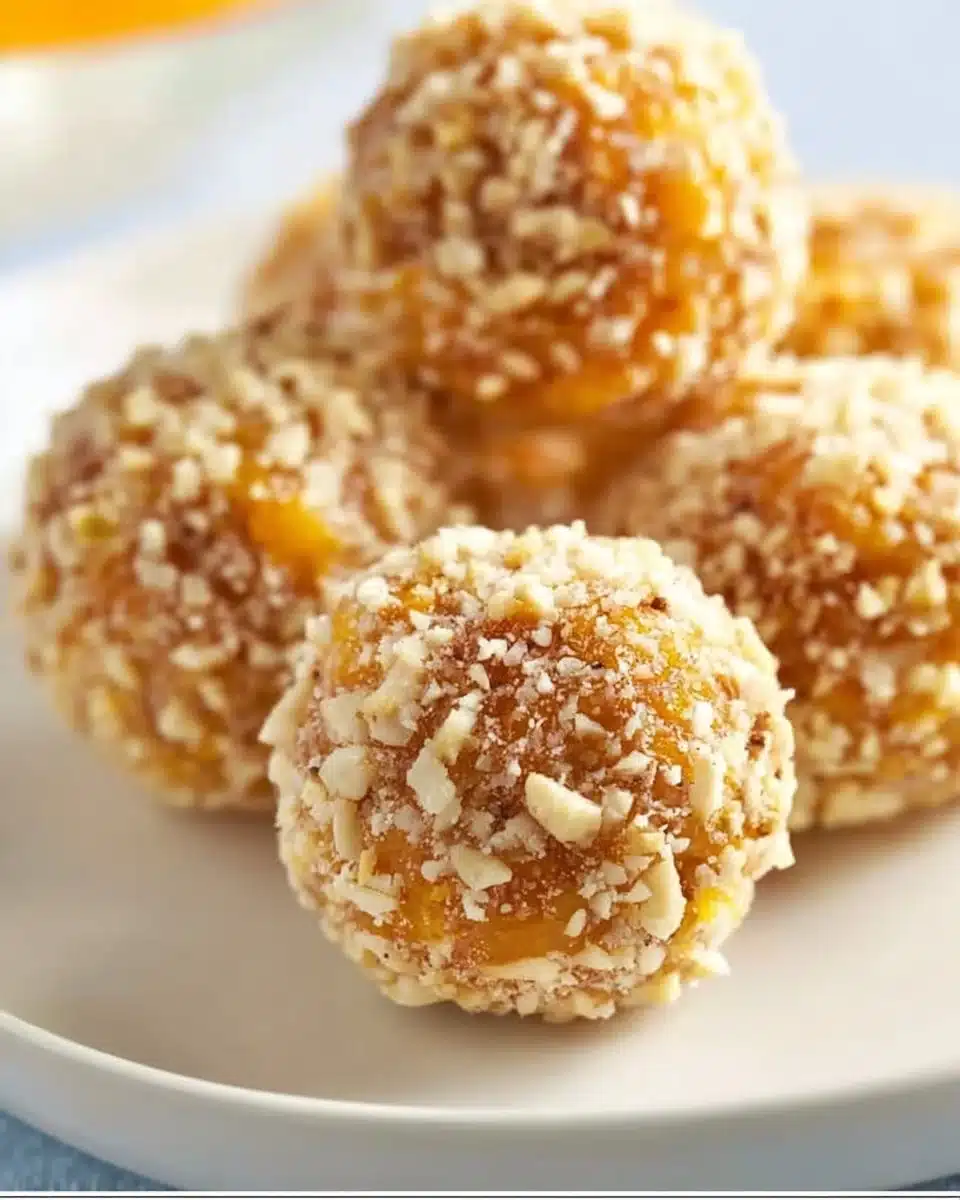
Quick and Easy Apricot Balls are a delightful, no-bake snack you can make in minutes using just five pantry-friendly ingredients. These little energy bites are naturally sweet from dried apricots, lightly nutty from almond flour, and pleasantly chewy thanks to oats and shredded coconut, making them a perfect snack for busy days, lunchboxes, or a simple dessert. If you enjoy easy homemade treats, you might also like a quick and easy fudge recipe as a sweet companion for a cozy gathering.
Why make this recipe
Quick and Easy Apricot Balls are one of those recipes that make life easier and tastier at the same time. They take only a few minutes of active prep and require no baking, which means they’re ideal in hot weather or when you want a fast snack without heating up the kitchen. The ingredients are simple and wholesome: dried fruit, oats, coconut, almond flour, and a splash of orange juice to bind everything together and add a gentle citrus lift. That combination gives you a snack that balances natural sugars, fiber, and healthy fats for steady energy.
These apricot balls are also highly flexible. You can adapt them to be vegan, gluten-free (use certified gluten-free oats), or nut-free (swap almond flour for a seed flour like sunflower seed flour). They’re great for packing into lunchboxes, setting out at casual get-togethers, or keeping in the fridge as an easy post-workout bite. Because they’re portable and not messy, they’re a fantastic option for hiking, commuting, or a quick office snack. Plus, they’re made from whole, recognizable ingredients — a huge plus if you prefer minimally processed snacks over store-bought bars with long ingredient lists.
How to make Quick and Easy Apricot Balls
This recipe is straightforward and forgiving, which makes it perfect for cooks at every skill level. The goal is to blend the ingredients until they’re sticky enough to form balls. If your mixture seems too dry, you can add a little more orange juice; if it’s too wet, add a touch more oats or almond flour. Because you’re not baking, the texture centers on chewiness and compactness, so aim for a consistency that holds together when pressed between your fingers.
Here’s a helpful sequence to maximize efficiency: gather and measure ingredients first, pulse in short bursts to avoid over-processing, then roll quickly while the mixture is cool enough to handle. A small scoop (a teaspoon or melon baller) helps keep the size consistent. Chill them briefly after shaping so they firm up and hold their shape. These details make a big difference to the finished texture and presentation.

Ingredients :
- 1 cup dried apricots
- 1 cup oats
- 1/2 cup shredded coconut
- 1/2 cup almond flour
- 1 tablespoon orange juice
Ingredient notes:
- Dried apricots: Look for unsulphured or naturally dried apricots if possible. If they’re very dry and hard, soak them in warm water for 5–10 minutes and drain before using.
- Oats: Rolled oats give a pleasant chew and blend well. For a smoother texture, use quick oats, and for a heartier texture, use old-fashioned rolled oats. If you need gluten-free, choose certified gluten-free oats.
- Shredded coconut: Unsweetened shredded coconut keeps the sugar content lower and balances the apricot sweetness. Desiccated coconut will work but may dry the mixture slightly more.
- Almond flour: This adds richness and helps the mixture bind. If you need a nut-free alternative, use sunflower seed flour — the overall flavor will be slightly different but still delicious.
- Orange juice: Freshly squeezed is best for flavor, but store-bought juice works fine. If you want extra citrus brightness, add a teaspoon of orange zest.
Directions :
- In a food processor, combine the dried apricots, oats, shredded coconut, almond flour, and orange juice.
- Pulse until the mixture is well combined and sticky.
- Roll the mixture into small balls, about 1 inch in diameter.
- Place the apricot balls on a baking sheet lined with parchment paper.
- Refrigerate for about 10 minutes to firm up.
- Store in an airtight container in the fridge or freezer.

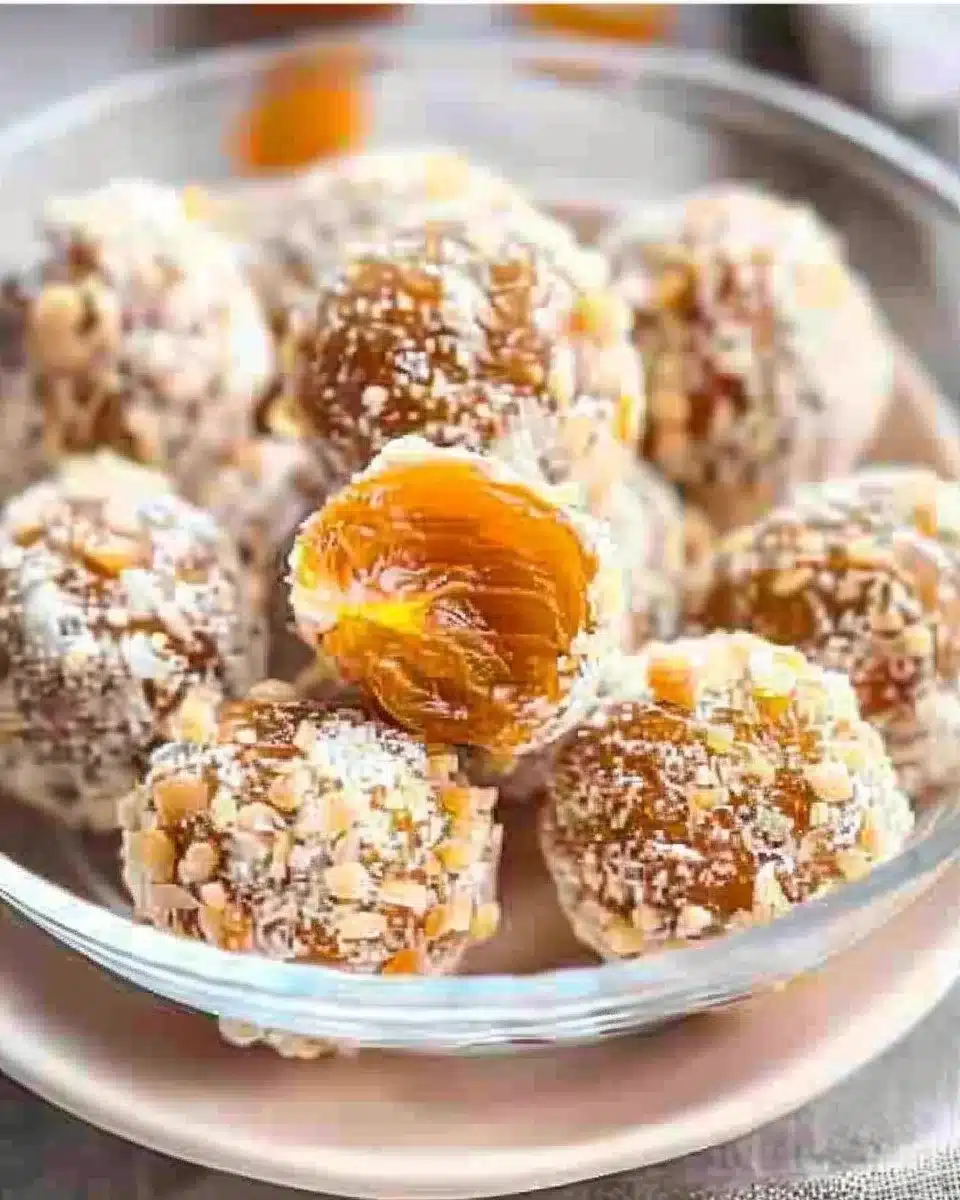
Pro Tips for Success Quick and Easy Apricot Balls
- Use short pulses in the food processor: Pulse in 1–2 second bursts so the mixture combines evenly without turning into a paste. You want small bits, not a puree.
- Check stickiness before shaping: Pinch a small amount between your fingers. If it holds together, you’re good; if it crumbles, add a teaspoon of orange juice at a time until it binds.
- Keep hands moistened or slightly oiled: If the mixture is sticky, wet your hands lightly with water or a tiny bit of neutral oil (like grapeseed) to make rolling easier.
- Chill briefly for firmer balls: Ten minutes in the refrigerator firms them enough to hold their shape and improves texture.
- Make uniform balls for even portions: Use a small scoop (1-inch or 1 tablespoon) to keep the sizes consistent, which helps with storage and nutrition tracking.
- Taste and adjust: Before shaping, sample a tiny pinch. If you want more citrus, add a bit more orange juice or a pinch of zest; if you like extra coconut, fold in a tablespoon or two more shredded coconut.
Flavor Variations Quick and Easy Apricot Balls
- Chocolate Apricot: Add 1–2 tablespoons of cocoa powder to the food processor or roll the finished balls in cocoa powder for a chocolatey coating. A few mini dark chocolate chips folded in before rolling add pleasant pockets of chocolate.
- Nutty Spice: Stir in 1/4 teaspoon each of cinnamon and cardamom and add 2 tablespoons chopped toasted hazelnuts or walnuts for a spiced, crunchy twist.
- Citrus-Almond: Add 1 teaspoon orange zest and a tablespoon of almond butter for a creamier texture and brighter citrus note.
- Coconut-Lime: Replace the orange juice with lime juice and roll the balls in toasted coconut flakes for a tropical profile.
- Seed Boost: For extra protein and texture, fold in 2 tablespoons of chia seeds or ground flaxseed before rolling. The texture will be slightly firmer.
Serving Suggestions Quick and Easy Apricot Balls
- Afternoon pick-me-up: Pair a ball or two with a cup of herbal tea or coffee for a satisfying midafternoon treat.
- Lunchbox addition: Tuck 1–2 balls into a child’s lunchbox alongside cheese and fruit for a balanced, naturally sweet component.
- After-workout snack: These provide quick carbs and a bit of protein from almond flour — good for a light refuel. For extra protein, enjoy with a small Greek yogurt cup on the side.
- Party nibble: Arrange on a platter with dates, nuts, and dark chocolate squares for a simple, elegant dessert spread.
- Breakfast-on-the-go: Grab a couple with a banana or a hard-boiled egg for a portable, energy-sustaining breakfast.
- Picnic-friendly dessert: Because they don’t melt or get messy, apricot balls are ideal for packing into picnic baskets and enjoying outdoors.
For a savory balance at a casual family gathering, try serving alongside something warm and comforting like an easy beef and noodles dish for a playful contrast between sweet bites and a hearty main.
Storage and Freezing Instructions Quick and Easy Apricot Balls
- Refrigerating: Store the apricot balls in an airtight container in the refrigerator for up to 2 weeks. Place a sheet of parchment between layers to prevent sticking.
- Freezing: Arrange balls on a baking sheet and freeze until solid (about 1 hour), then transfer to a sealed freezer-safe bag or container. They’ll keep well for up to 3 months. Thaw in the refrigerator or leave at room temperature for 10–15 minutes before serving.
- Thawing tips: If frozen solid, pop them in the fridge overnight or let sit at room temperature for 20–30 minutes for a softer texture. If you prefer them firmer, enjoy straight from the fridge.
- Travel storage: When packing for outings, place a small ice pack with the airtight container to keep them firm and fresh for several hours.
Nutrition Facts (Per Serving) — (calories, protein, carbs, fat, fiber, sodium)
- Serving size: 1 apricot ball (recipe makes about 16 balls)
- Calories: ~79 kcal
- Protein: ~2.1 g
- Carbohydrates: ~10.3 g
- Fat: ~3.8 g
- Fiber: ~2.0 g
- Sodium: ~1.5 mg
Notes on nutrition:
These values are estimates based on typical ingredient nutrition and an assumed yield of about 16 balls. Exact values will vary with your specific ingredients (for example, larger or smaller apricots, different brands of almond flour, or sweetened vs. unsweetened coconut). If you want a higher-protein version, consider adding a tablespoon of nut butter or a teaspoon of unflavored protein powder to the mixture; both will modestly change the texture and nutrition profile.
FAQ About Quick and Easy Apricot Balls
What texture should I expect from Quick and Easy Apricot Balls?
You should expect a chewy, slightly grainy texture where small bits of oat and coconut are still visible. The apricots bring chew and natural sweetness, the oats add body, and the almond flour contributes a tender, slightly crumbly richness. If the mixture is over-processed, it will become denser and more paste-like; if under-processed, it will not hold together. Aim for a sticky, cohesive texture that presses into a ball without falling apart.
Can I use golden raisins or dates instead of dried apricots?
Yes, you can substitute other dried fruits like dates, golden raisins, or chopped figs. Dates are particularly sticky and make the mixture bind very well, often eliminating the need for extra orange juice. Keep in mind that dates and raisins have slightly different sweetness and flavor profiles, so the final taste will shift. If you use a sweeter dried fruit, you might prefer reducing any additional sweeteners (though this recipe doesn’t call for added sugar).
How many balls does this recipe make and how big should they be?
This recipe typically makes about 16 one-inch balls when you use a small scoop or tablespoon to portion. If you prefer slightly smaller bite-sized pieces, you can make about 20–24. The instructions call for roughly 1-inch diameter; using a small cookie scoop or melon baller helps maintain consistent sizes for even portions and storage.
Are these apricot balls suitable for kids and allergy-sensitive diets?
They’re generally kid-friendly and simpler to serve than messy cookies, but they do contain almond flour, which is a tree nut. For nut allergies, swap almond flour for sunflower seed flour or extra oats (or a blend of ground seeds) to keep them safe. To make them gluten-free, use certified gluten-free oats. Always verify ingredient labels and communicate about allergens when serving to guests.
How can I make the balls less sticky if they’re hard to roll?
If the mixture is too sticky, add small amounts of oats or almond flour — a teaspoon at a time — until the texture firms up. Chilling the mixture in the refrigerator for 10–15 minutes also helps it bind without sticking to your hands. Alternatively, lightly oil or wet your hands before rolling to prevent the mixture from adhering to your palms.
Can I add protein powder or nut butter to boost nutrition?
Yes, you can add 1–2 tablespoons of nut butter (almond, cashew, or sunflower seed butter) or 1–2 tablespoons of unflavored protein powder to boost protein. Nut butter will make the mixture richer and creamier and may require slightly less orange juice. Protein powder can dry the mixture, so add a splash more orange juice or a teaspoon of water if needed to maintain a moldable texture.
Why is my mixture dry and crumbly instead of sticky?
If your dried apricots are very dry or your shredded coconut is extra dry, the mixture may be crumbly. Try pulsing the mixture a few more times and add orange juice in 1/2 teaspoon increments until it binds. Alternatively, briefly soak the apricots in warm water for 5–10 minutes, drain, and then process. Make sure you’re using a food processor size adequate to chop and combine properly; overfilling a small processor can result in uneven texture.
How can I customize the sweetness for dietary needs?
The natural sugars in dried apricots provide most of the sweetness. If you want less sugar, use fewer apricots and add a splash more orange juice for flavor; you can also mix in extra oats or almond flour to dilute sweetness. For a slightly sweeter treat, add a teaspoon of maple syrup or honey (not suitable for strict vegans). Choosing unsweetened shredded coconut helps control added sugars.
Final Thoughts
Quick and Easy Apricot Balls are a lovely example of how simple ingredients and a little bit of blending can create a snack that’s both nourishing and delicious. They’re portable, freezer-friendly, and versatile, making them useful for everything from busy mornings to casual get-togethers. With approachable swaps for allergies and a range of flavor variations, this recipe is a solid base to experiment with while keeping the prep quick and the results consistently satisfying. Enjoy making them your own, and keep a stash in the fridge for those moments when you want a wholesome, sweet bite.
Print
Quick and Easy Apricot Balls
- Total Time: 10 minutes
- Yield: 16 servings
- Diet: Vegan, Gluten-free, Nut-free
Description
These delightful no-bake apricot balls are naturally sweet and packed with energy, making them perfect for snacks or dessert.
Ingredients
- 1 cup dried apricots
- 1 cup oats
- 1/2 cup shredded coconut
- 1/2 cup almond flour
- 1 tablespoon orange juice
Instructions
- Combine the dried apricots, oats, shredded coconut, almond flour, and orange juice in a food processor.
- Pulse until the mixture is well combined and sticky.
- Roll the mixture into small balls, about 1 inch in diameter.
- Place the apricot balls on a baking sheet lined with parchment paper.
- Refrigerate for about 10 minutes to firm up.
- Store in an airtight container in the fridge or freezer.
Notes
Great for adaptable diets; can be made vegan, gluten-free, or nut-free. Adjust stickiness with more juice or flour as needed.
- Prep Time: 10 minutes
- Cook Time: 0 minutes
- Category: Snack
- Method: No-Bake
- Cuisine: Healthy