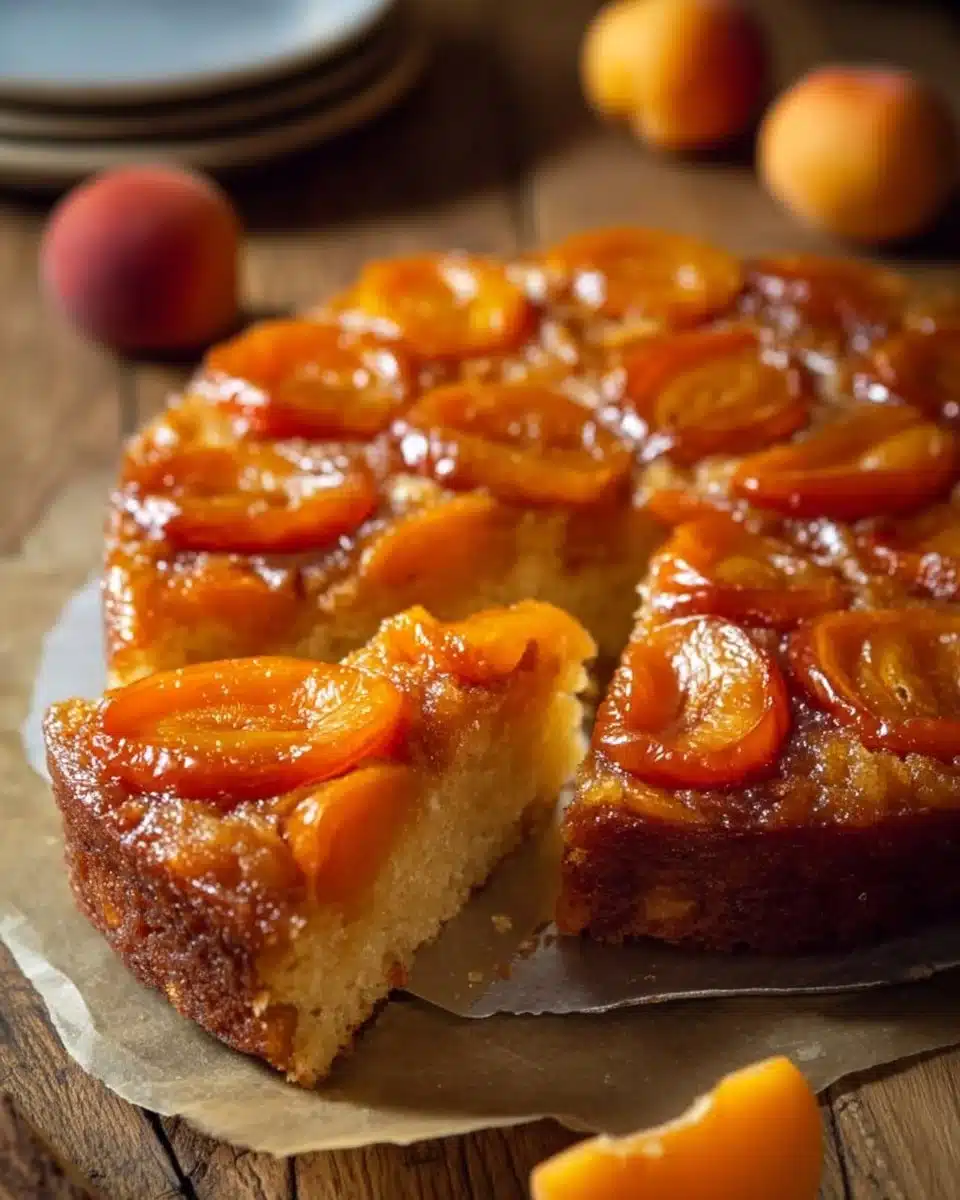
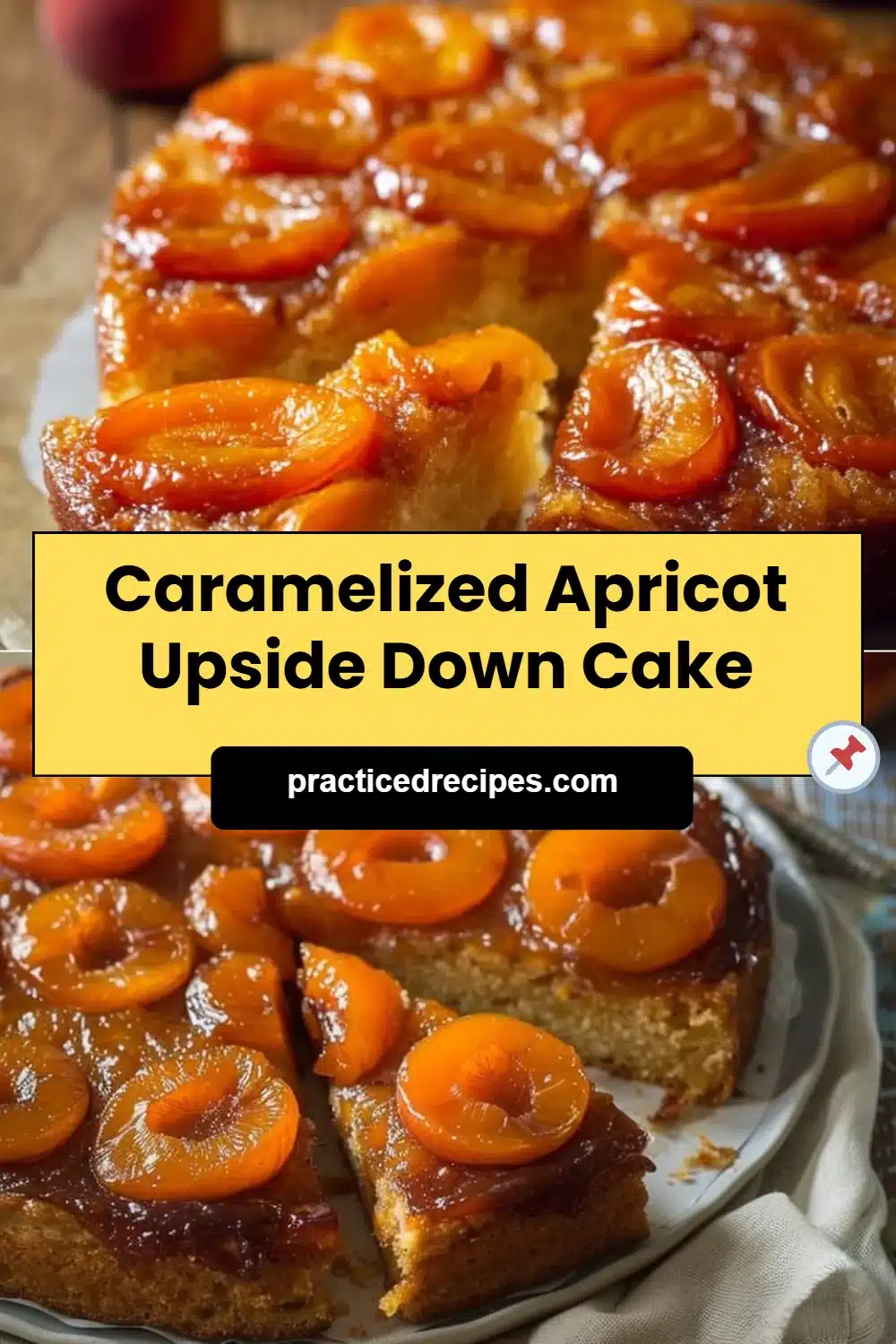
Caramelized Apricot Upside Down Cake
Caramelized Apricot Upside Down Cake is a warm, glossy dessert that celebrates juicy apricots with a buttery caramel glaze in every slice. This recipe pairs the simple comfort of a home-baked cake with a bright, fruit-forward topping that’s as pretty as it is tasty. If you enjoy fruit-forward caramelized desserts, you might also like the playful texture and sweet-tart balance in these mini pineapple upside down cheesecakes, which showcase a similar spirit in a different format.
Why make this recipe
This caramelized apricot upside down cake is an excellent choice for home bakers who want a show-stopping dessert that’s actually approachable. The upside-down technique does most of the décor for you: arrange halved apricots over a sticky caramel and pour the cake batter over them, then invert after baking to reveal a glossy fruit crown. It’s ideal for spring and summer when apricots are at their peak, but it also works well with jars of preserved apricots in cooler months.
The method highlights fresh fruit flavor in every bite while the cake itself stays tender and moist. It also scales well: bake it in a 9-inch round pan for family dessert time or double it across two pans for a gathering. Because it looks elegant with minimal effort, this cake works great for weeknight treats, potlucks, holiday tables, and casual dinner parties.
How to make Caramelized Apricot Upside Down Cake
This version of the classic upside-down cake is straightforward and forgiving. The most important moments are making the caramel gently so it doesn’t burn, arranging the apricots in the pan, and not overmixing the batter so the cake stays tender.
Before you start baking, read the full directions and gather ingredients. Measure your dry ingredients with a spoon-and-level for consistency. Room-temperature eggs and milk help the batter come together smoothly and rise evenly.
Ingredients
- 2 cups apricots, halved and pitted
- 1/2 cup unsalted butter
- 1 cup brown sugar
- 1 1/2 cups all-purpose flour
- 1 cup granulated sugar
- 3/4 cup milk
- 3 large eggs
- 1 teaspoon vanilla extract
- 2 teaspoons baking powder
- 1/4 teaspoon salt
Ingredient notes and substitutions:
- Apricots: Use fresh, ripe apricots when possible for the best flavor and texture. If fresh apricots aren’t available, drained canned apricot halves or jarred preserved apricots packed in juice work too; reduce cooking time in the skillet to prevent them from becoming too soft.
- Butter: Unsalted butter is used here so you can control the salt level. If you only have salted butter, omit the added salt or reduce it to a pinch.
- Milk: Whole milk creates the richest crumb. You can use 2% milk if you prefer, or a nut milk (unsweetened almond milk) for a lighter option—note this will slightly change texture and flavor.
- Flour: To make the cake gluten-free, use a 1-to-1 gluten-free baking flour blend and add 1/4 teaspoon xanthan gum if the blend lacks it.
- Sugar: Brown sugar contributes to the caramel color and adds a hint of molasses. If needed, a mix of coconut sugar and granulated sugar can work, though the final caramel will be a bit darker.
- Eggs: Room-temperature eggs help the batter emulsify better. For an egg-free version, a commercial egg replacer or 3/4 cup of unsweetened applesauce plus an extra 1/4 teaspoon baking powder can be experimented with, but texture will vary.
Directions
- Preheat your oven to 350°F (175°C). Grease a 9-inch round cake pan.
- In a skillet, melt the butter over medium heat. Add the brown sugar and stir until dissolved. Add the apricot halves and cook for about 5 minutes until caramelized.
- Pour the caramelized mixture into the prepared cake pan, arranging the apricots cut side up.
- In a mixing bowl, combine the flour, granulated sugar, baking powder, and salt. In another bowl, whisk together the milk, eggs, and vanilla.
- Add the wet ingredients to the dry ingredients and mix until just combined. Pour the batter over the apricot topping in the pan.
- Bake for 30-35 minutes, or until a toothpick inserted into the center comes out clean. Allow to cool for 10 minutes in the pan before inverting onto a plate.
- Serve warm or at room temperature.
Pro Tips for Success Caramelized Apricot Upside Down Cake
- Use ripe but firm apricots. Overripe apricots will break down too much while caramelizing and can make the topping overly mushy. Aim for apricots that yield slightly to pressure.
- Watch the caramel closely. Brown sugar and butter can go from golden to bitter quickly. Keep the heat moderate and stir frequently; remove from heat as soon as the sugar dissolves and starts to thicken.
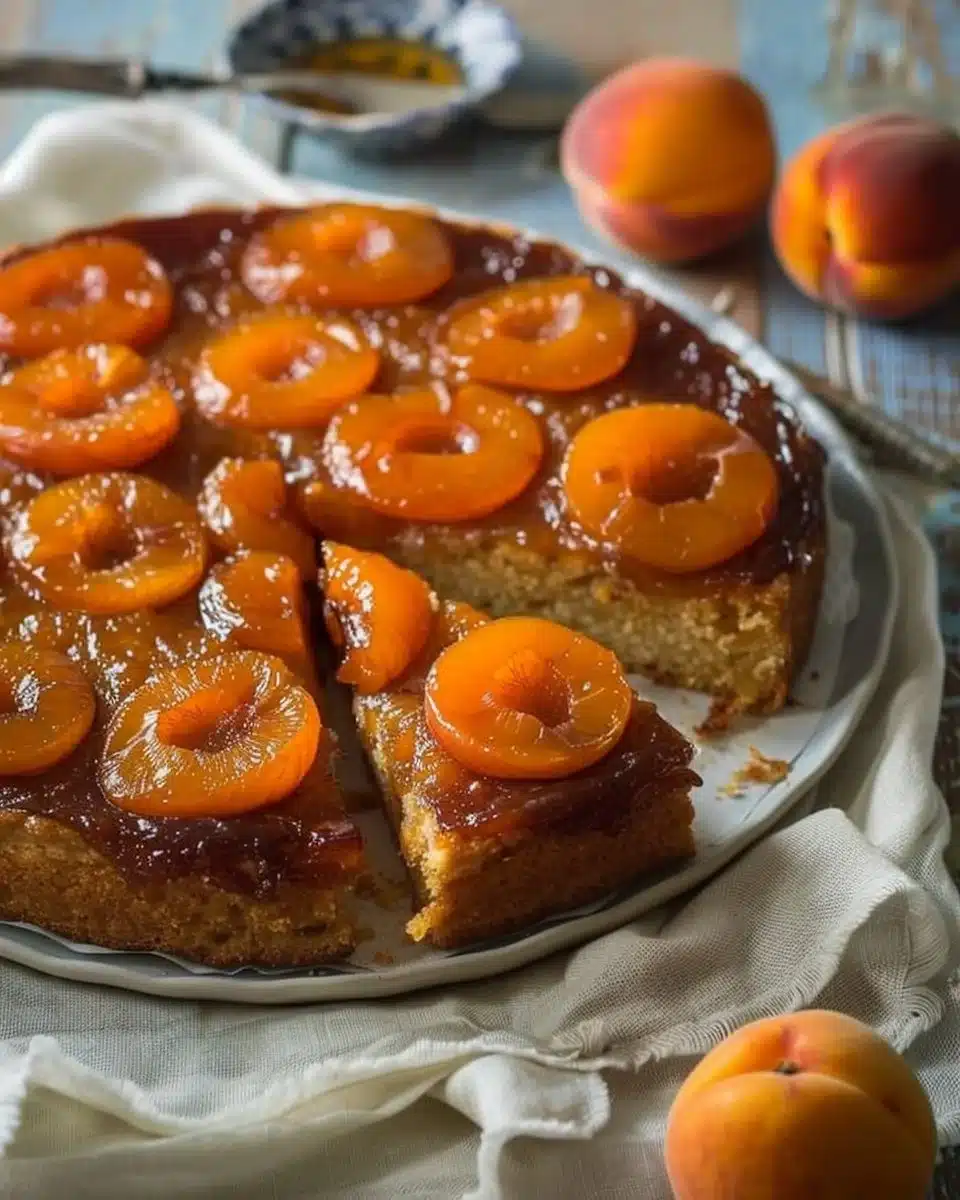
- Arrange apricots attractively. Cut sides up create a glossy, jewel-like presentation after you invert the cake. Slightly overlap halves in concentric circles for a professional look.
- Don’t overmix the batter. Stir until the dry ingredients are barely combined with the wet. Overmixing develops gluten and leads to a dense cake.
- Test for doneness with a toothpick. If it comes out with a few moist crumbs but no raw batter, the cake is done. Letting it sit in the pan for the ten-minute rest helps the caramel set and prevents the topping from sticking when inverted.
- Cool slightly before inverting. If you flip too early, the caramel may still be very runny and slide off. Ten minutes is a good balance between letting the cake settle and preserving warmth for serving.
Flavor Variations Caramelized Apricot Upside Down Cake
- Spice it lightly: Add 1/2 teaspoon ground cinnamon and a pinch of nutmeg to the dry ingredients for a warm spice backdrop that pairs beautifully with apricot’s fruitiness.
- Almond touch: Fold in 1/2 teaspoon almond extract into the wet ingredients or sprinkle slivered toasted almonds over the caramel before adding the batter for a nutty crunch.
- Citrus lift: Add the zest of one lemon to the batter for a bright citrus note that cuts through the sweetness and enhances apricot flavor.
- Honey-butter caramel: Replace half the granulated sugar in the batter with 1/4 cup honey for a deeper flavor; reduce the milk by 2 tablespoons to compensate for added liquid.
- Mixed stone fruit: Swap half the apricots for sliced peaches or nectarines when those fruits are in season, creating an even more complex fruit topping.
Serving Suggestions Caramelized Apricot Upside Down Cake
Serve slices warm or at room temperature. For a classic pairing, add a scoop of vanilla ice cream or a dollop of lightly sweetened whipped cream. A spoonful of crème fraîche or Greek yogurt thinned with a little honey gives a tangy counterpoint to the sweet caramel.
For a more festive presentation, dust the cake with a light sift of powdered sugar and scatter a few toasted almond slivers around the plate. A drizzle of warm caramel sauce or a spoonful of apricot jam warmed and thinned with a splash of lemon juice can intensify the topping’s shine.
If you’re planning a dessert spread that highlights upside-down techniques, consider offering cookies or other small-bite treats—try the playful texture of pineapple upside-down sugar cookies alongside slices for variety and visual contrast.
Storage and Freezing Instructions Caramelized Apricot Upside Down Cake
Short-term storage: Allow the cake to cool completely, then cover it with plastic wrap or transfer slices to an airtight container. Store at room temperature for up to 1 day. For longer storage, keep it in the refrigerator for up to 4 days; the fruit topping and caramel will stay pleasant while the cake will firm slightly.
Freezing: This cake freezes well in two ways. Option 1: Freeze the whole cake — wrap the cooled cake tightly in plastic wrap, then in a layer of aluminum foil, and place it in the freezer for up to 2 months. Thaw overnight in the refrigerator and warm gently in a 300°F oven for 10–15 minutes before serving. Option 2: Freeze individual slices on a baking sheet until solid, then transfer slices into a freezer-safe bag with layers of parchment paper between them. Thaw frozen slices in the fridge or at room temperature.
Reheating: To revive a slice, warm it in a 325°F oven for 8–12 minutes until heated through. If reheating from frozen, let the slice thaw slightly and reheat at the same temperature to avoid overbaking.
Nutrition Facts (Per Serving)
Estimated per serving (assuming 8 servings):
- Calories: 430 kcal
- Protein: 5 g
- Carbohydrates: 72 g
- Fat: 14 g
- Fiber: 2 g
- Sodium: 190 mg
Note: Nutrition values are approximate and will vary depending on the fruit size, milk type, and exact ingredients you use. If you make substitutions (e.g., lower-fat milk, different sugar types), the nutritional profile will change accordingly.
FAQ About Caramelized Apricot Upside Down Cake
Can I use canned or frozen apricots instead of fresh apricots?
Yes. Canned apricot halves (in juice, drained) and thawed frozen apricot halves both work. If using canned or jarred apricots, reduce skillet cooking time to 2–3 minutes just to warm them and set the caramel so they don’t turn overly soft. For frozen apricots, thaw and pat dry to remove excess moisture before caramelizing to avoid diluting the caramel.
What causes the caramel to become grainy or crystallize?
Caramel can become grainy when sugar crystals form during cooking or from stirring too vigorously once the sugar has reached the syrup stage. To prevent this, dissolve sugar gently in the butter over medium heat and avoid rapid high heat. If crystallization begins, adding a small splash of warm water or a pinch of corn syrup (not in this recipe, but sometimes used) can help to smooth it out; however, avoiding vigorous stirring is the best prevention.
How do I know the cake is fully baked without drying it out?
Use the toothpick test: insert a toothpick into the thickest part of the cake center. If it comes out with a few moist crumbs but no wet batter, the cake is done. The cake should also spring back lightly when touched in the center. If the top starts to brown too quickly, tent loosely with foil for the remaining bake time to prevent overbrowning while allowing the center to set.
Can I make this cake ahead of time for a party?
Absolutely. This cake can be baked the day before and stored in the refrigerator, covered, then brought to room temperature before serving or gently warmed. If you need to prepare it further in advance, you can caramelize the apricots and store them separately, then assemble and bake on the day you plan to serve for maximally fresh texture.
Is there a gluten-free or vegan version of this cake?
For gluten-free, substitute a reliable 1:1 gluten-free flour blend and add 1/4 teaspoon xanthan gum if the blend doesn’t include it; bake times may vary slightly. For a vegan version, replace butter with a vegan butter substitute, use a plant-based milk, and substitute eggs with 3/4 cup unsweetened applesauce or a commercial egg replacer per the package directions. Note that texture and rise will differ slightly from the original.
Why did my cake stick to the pan when I inverted it?
If the cake sticks, it may be due to insufficient greasing or flipping too soon while the caramel is still very liquid. Make sure to thoroughly grease the pan before adding the caramel and fruit. After baking, allow the cake to cool for about 10 minutes so the caramel firms up slightly, then run a thin spatula around the pan edges and invert with a plate held tightly against the pan. If the caramel sticks in spots, gently lift those pieces and re-seat them on the cake after flipping.
Final Thoughts
This Caramelized Apricot Upside Down Cake is a delightful way to highlight seasonal fruit with minimal fuss. The glossy caramelized apricot topping creates an impressive presentation while the soft, tender cake beneath keeps every slice balanced and enjoyable. Whether you’re making it for a weekday treat or a special occasion, the recipe scales well and invites small variations—add a hint of almond, a dusting of citrus zest, or serve with vanilla ice cream for a lovely contrast. With a few simple tips and a bit of patience at the caramel stage, you’ll have a dessert that’s both comforting and elegant.
Print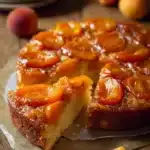
Caramelized Apricot Upside Down Cake
- Total Time: 50 minutes
- Yield: 8 servings
- Diet: Vegetarian
Description
A warm, glossy dessert that pairs juicy apricots with a buttery caramel glaze, perfect for spring and summer.
Ingredients
- 2 cups apricots, halved and pitted
- 1/2 cup unsalted butter
- 1 cup brown sugar
- 1 1/2 cups all-purpose flour
- 1 cup granulated sugar
- 3/4 cup milk
- 3 large eggs
- 1 teaspoon vanilla extract
- 2 teaspoons baking powder
- 1/4 teaspoon salt
Instructions
- Preheat your oven to 350°F (175°C). Grease a 9-inch round cake pan.
- Melt the butter in a skillet over medium heat. Add the brown sugar and stir until dissolved. Add the apricot halves and cook for about 5 minutes until caramelized.
- Pour the caramelized mixture into the prepared cake pan, arranging the apricots cut side up.
- Combine the flour, granulated sugar, baking powder, and salt in a mixing bowl.
- Whisk together the milk, eggs, and vanilla in another bowl. Add the wet ingredients to the dry ingredients and mix until just combined.
- Pour the batter over the apricot topping in the pan.
- Bake for 30-35 minutes, or until a toothpick inserted into the center comes out clean.
- Cool for 10 minutes in the pan before inverting onto a plate. Serve warm or at room temperature.
Notes
Use ripe but firm apricots for the best flavor. Allow the cake to cool slightly before inverting to prevent the caramel from running off.
- Prep Time: 15 minutes
- Cook Time: 35 minutes
- Category: Dessert
- Method: Baking
- Cuisine: American