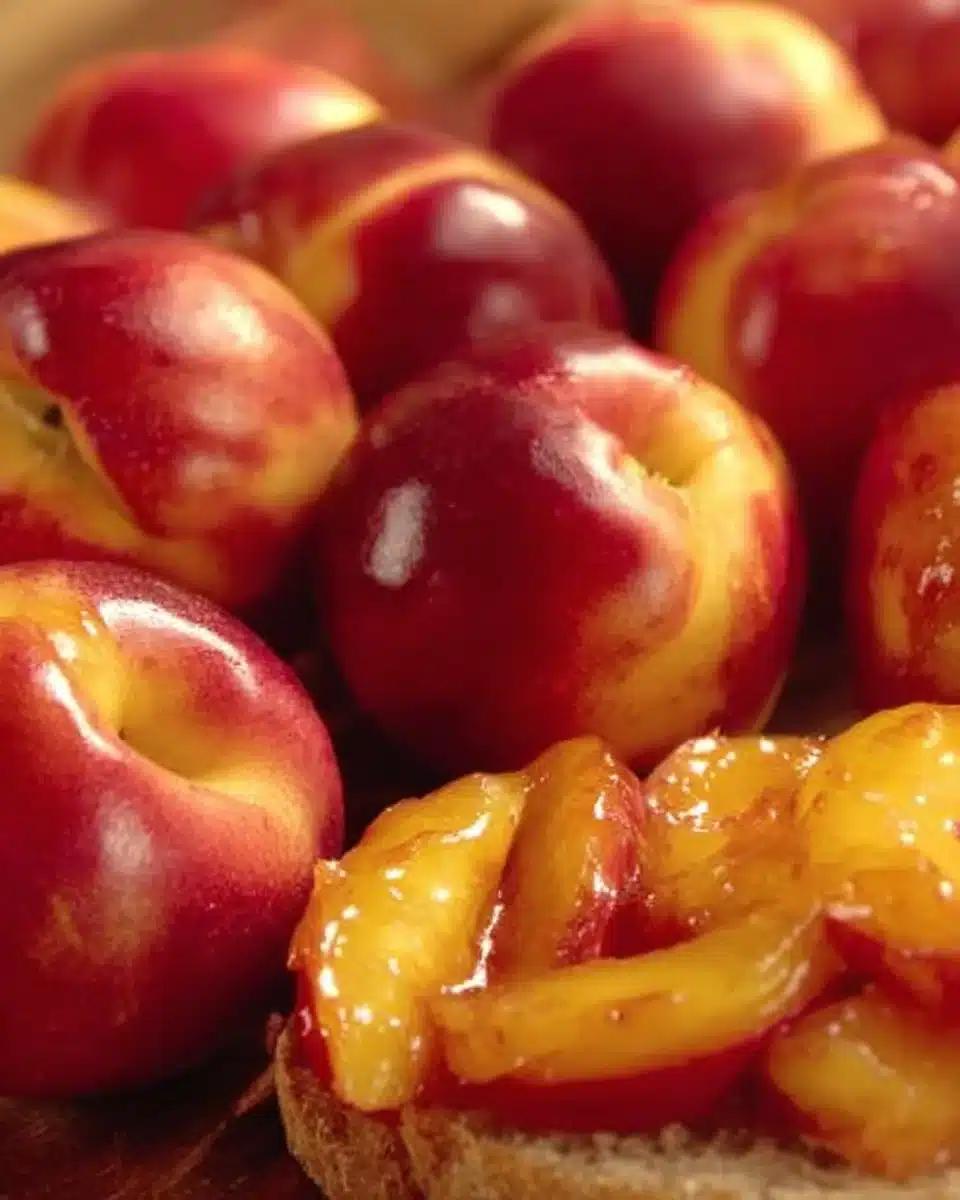
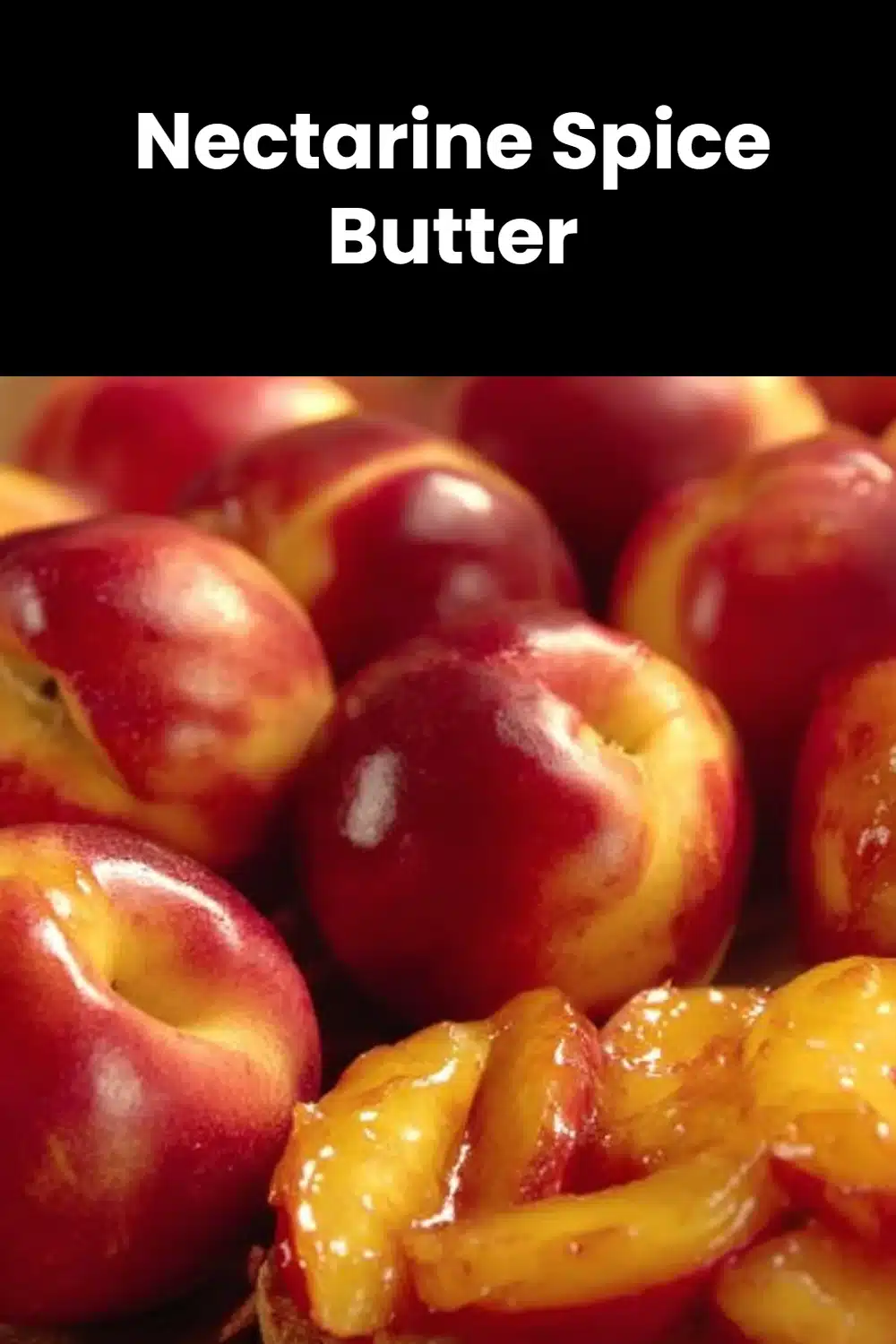
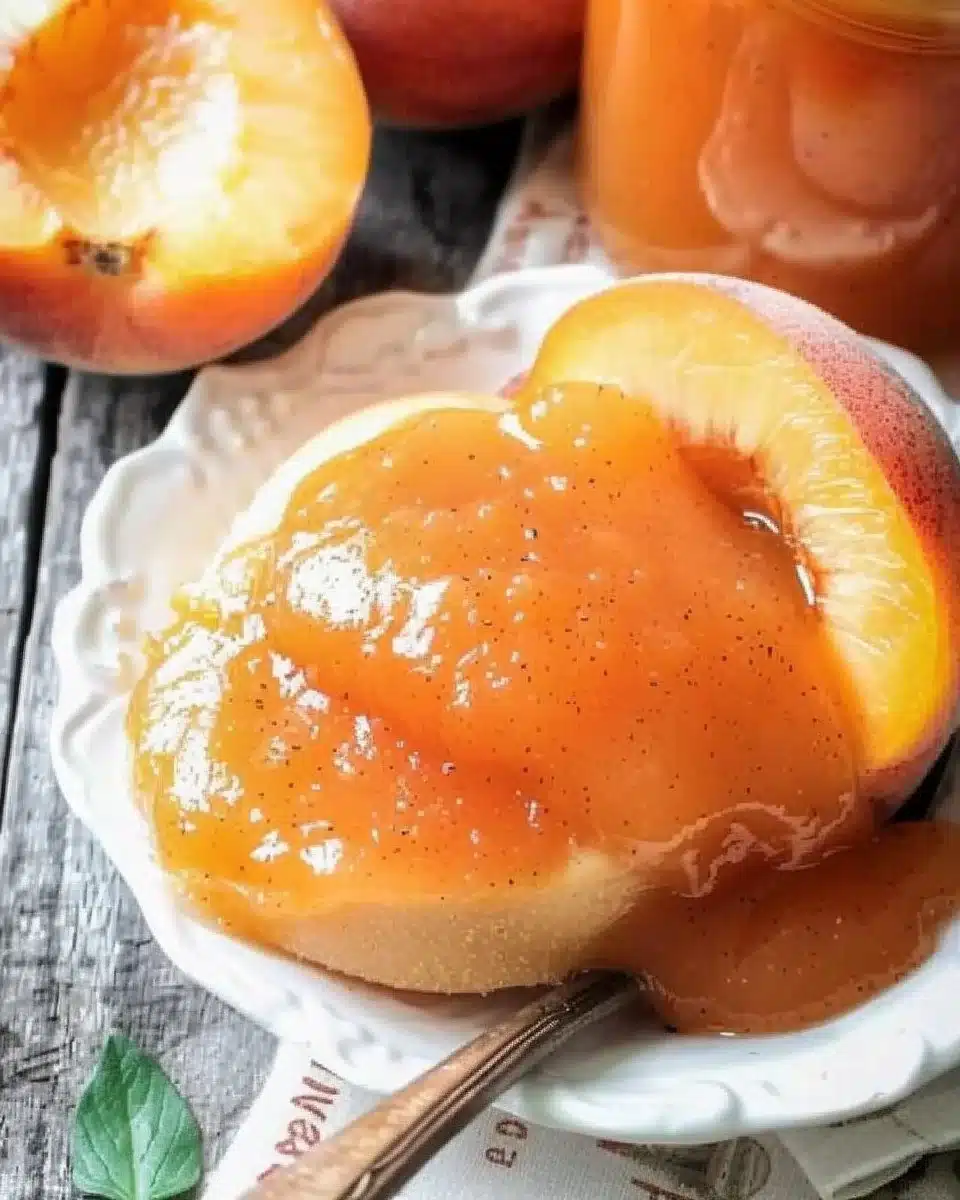
Nectarine Spice Butter is a smooth, warmly spiced spread that captures the bright sweetness of ripe nectarines and turns it into something buttery, cozy, and endlessly useful.
Why make Nectarine Spice Butter
Making Nectarine Spice Butter brings summer fruit into a jar you can enjoy year-round. It takes simple ingredients—ripe nectarines, sugar, a touch of lemon and butter, and warming cinnamon—and transforms them through gentle cooking into a silky spread that tastes like sunshine with a hint of fall. If you love preserving fruit at home, you might also enjoy this 3-ingredient creamy yogurt cake (no flour, butter, or oil) for an easy dessert that pairs beautifully with a smear of fruit butter. Canning your own nectarine butter is satisfying, economical, and a reliable way to put seasonal produce to good use.
How to make Nectarine Spice Butter
The technique behind Nectarine Spice Butter is straightforward: cook down the fruit with sugar until it’s soft, blend to the texture you like, then finish and can. The goal is a smooth, spreadable butter—not a firm jam—so you’ll stop cooking when the sauce is thickened but still silky.
Ingredients and Directions are below so you can follow the exact recipe and preserve safely at home.
Ingredients :
- 9 cups ripe nectarines (after removing pits and chopping)
- 4 cups sugar
- 1/4 cup lemon juice
- 1 Tablespoon butter
- 1 Tablespoon cinnamon
Ingredient notes and substitutions:
- Keep the skins on for color, flavor, and extra pectin. If you prefer a very smooth final texture, you can peel the fruit beforehand, but expect a paler color.
- Use freshly squeezed lemon juice rather than bottled if you can; it brightens the flavor and helps with safe acidity for canning.
- The butter is mainly for mouthfeel; you can use unsalted or salted butter—if you use salted, consider leaving table salt out of any future recipes that use the finished butter.
- Cinnamon can be adjusted to taste. If you’d like a different spice profile, see the Flavor Variations section below for alternatives.
Directions :
- Slice fruit and remove pits. Keep skins on. Measure 9 cups of fruit out for the recipe.
- Add fruit, sugar, lemon juice, butter and cinnamon to heavy bottomed soup pot. Bring to a boil on medium high stirring constantly with a sturdy wooden spatula. Make sure to scrape the bottom regularly to prevent burning.
- After the fruit comes to a boil, use an immersion blender in a circular motion to puree the fruit into a sauce. Make it as smooth as you desire.
- Simmer for an additional 20 minutes stirring constantly.
- Fill jars (you can use half pints, pints, or quarts) leaving a half inch of head space.
- Process in a Water Bath Canner for 10 minutes at 1,000 feet of altitude or less. If you live above 1,000 feet process longer: for 1,001 – 3,000 feet add 5 minutes, for 3,001 – 6,000 feet add 10 minutes, for 6,001 – 8,000 feet add 15 minutes, for 8,001 – 10,000 feet add 20 minutes.
Pro Tips for Success Nectarine Spice Butter
- Use ripe but firm nectarines. Overripe fruit can be mushy and overly watery; firm, juicy nectarines give the best sugar balance and texture.
- Cook in a heavy-bottomed pot on medium-high, but keep the heat steady. Too-high heat will scorch the bottom; frequent scraping prevents burned spots.
- An immersion blender gives you control over texture. If you want a chunkier butter, pulse lightly; for a silky spread, blend longer and more thoroughly.
- Test the set by refrigerating a spoonful on a chilled plate. It should thicken and spread like soft butter after cooling—if it’s too loose, simmer a bit longer.
- Use a reliable jar-filling funnel and a clean towel to keep jar rims clean so lids seal properly during the water-bath process.
Flavor Variations Nectarine Spice Butter
- Ginger-Citrus Twist: Add 1–2 teaspoons grated fresh ginger during cooking and increase lemon juice by 1 tablespoon for zing.
- Vanilla Cardamom: Swap half the cinnamon for 1 teaspoon ground cardamom and stir in 1 teaspoon pure vanilla extract after removing the pot from the heat.
- Peach-Nectarine Blend: Substitute half the nectarines with ripe peaches for a slightly different aromatic profile that keeps the same texture.
- Maple Cinnamon: Replace 1/2 cup of the sugar with pure maple syrup and a pinch of nutmeg for a deeper, autumnal flavor.
- Honey and Star Anise: Reduce sugar by 1/2 cup and replace it with 1/2 cup mild honey, simmer with one whole star anise (remove before canning) for a floral note.
Serving Suggestions Nectarine Spice Butter
- Breakfast: Spread it on warm toast, English muffins, or bagels. It’s particularly good on a lightly buttered slice of sourdough.
- Brunch: Use as a filling for crepes, or spoon over ricotta on toast with a drizzle of olive oil and flaked sea salt.
- Snack: Swirl a spoonful into plain yogurt or cottage cheese for a quick fruity upgrade.
- Cheese board: Serve Nectarine Spice Butter alongside soft cheeses like brie or goat cheese, and add toasted nuts and crackers for contrast.
- Baking companion: Use a smear of nectarine butter between cake layers or as a topping for warm pound cake. For a richer dessert pairing, try it with these Baileys Buttercream Brownies or spoon it over ice cream.
Storage and Freezing Instructions Nectarine Spice Butter
Short-term storage:
- Refrigerate opened jars. Once opened, keep the jar in the refrigerator and use within 3–4 weeks for best color and flavor.
Long-term storage via canning: - If processed correctly in a water bath as directed, sealed jars can be stored in a cool, dark place for up to one year. Label jars with the date.
Freezing: - If you prefer not to can, you can freeze Nectarine Spice Butter. Leave at least 1/2 inch to 1 inch of headspace in freezer-safe containers because fruit butters expand slightly when frozen. Thaw in the refrigerator and use within 6 months.
Tips: - Avoid storing jars above 70°F for long-term shelf storage; heat speeds flavor loss and color changes.
- Always check lids for bulging or off-odors before consuming home-canned goods. If in doubt, discard.
Nutrition Facts (Per Serving)
Serving size: 1 tablespoon (about 20 g)
- Calories: 35 kcal
- Protein: 0.1 g
- Carbohydrates: 8.5 g
- Fat: 0.1 g
- Fiber: 0.2 g
- Sodium: 1 mg
Nutrition note:
- These values are approximate and based on the full recipe divided into many small servings. The sugar content is the primary contributor to carbohydrate and calorie totals. If you want lower sugar, experiment with reduced sugar (see Flavor Variations) but remember that sugar affects texture and shelf stability in canning.
FAQ About Nectarine Spice Butter
How long does Nectarine Spice Butter last on the shelf?
Properly processed jars of Nectarine Spice Butter stored in a cool, dark pantry can last for up to one year. After opening, keep jars refrigerated and use them within 3–4 weeks for the best flavor and color. Always inspect jars before use: look for a firm seal, no bulging lids, and no off smells. If anything seems off, it’s safest to discard the jar.
Can I reduce the sugar in this recipe?
Yes, you can experiment with less sugar, but keep a few things in mind. Sugar affects both sweetness and the final texture—less sugar can yield a looser spread and shorter shelf life. For safe long-term shelf storage by water-bath canning, acidity and sugar content are part of the balance; if you reduce sugar significantly, consider refrigerating or freezing the butter instead of canning. Using alternative sweeteners like honey or maple syrup will change flavor and consistency, so test small batches first.
Do I need pectin to make this butter?
No, Nectarine Spice Butter does not require added pectin. The goal is a smooth, slightly thickened fruit butter rather than a firm jam, and the natural pectin in the fruit plus reduction during cooking will create the right texture. If you prefer a thicker set, extend the simmering time while stirring frequently to avoid burning, or blend finer and reduce further.
Can I use frozen nectarines?
Yes. Frozen nectarines that have been thawed work well, especially when fresh fruit is out of season. Thawed fruit often releases more moisture, so expect a slightly different cooking time to reach the desired thickness. Taste and adjust sugar and lemon as needed. Proceed to can or freeze using the same guidance once the desired texture is achieved.
Is water-bath canning necessary?
If you want pantry-stable jars that will store at room temperature, water-bath canning is necessary to safely seal the jars. The acid from lemon juice combined with proper processing time kills surface microbes and forms a vacuum seal. If you don’t want to can, you can refrigerate jars for several weeks or freeze them for longer storage; however, these methods require refrigeration/freezing instead of shelf storage.
Why did my butter turn out too thin?
A thin result usually means it didn’t reduce long enough or too much liquid was present to begin with. Simmering with the lid off helps evaporation and thickening—stir often to prevent scorching. Using an immersion blender to break down fruit will help integrate solids, but if the sauce is still loose after blending, simmer a little longer. Also consider the ripeness of the fruit; extremely juicy fruit yields more liquid.
How can I test jar seals after processing?
Once jars are cool, press the center of each lid. If it doesn’t flex or make a popping noise, the seal is likely good. Another clue is a concave lid (slightly depressed in the middle) which indicates vacuum closure. If a jar doesn’t seal, refrigerate and use that jar first. Always handle jars carefully during the 12–24 hours after canning while cooling and sealing.
Can I add chunks of fruit instead of pureeing it smooth?
Absolutely. For a chunkier texture, pulse with an immersion blender briefly or mash gently with a potato masher until you reach the desired consistency. Keep in mind that larger pieces may shift the perceived sweetness and the rate of thickening—taste and adjust sugar or simmer time accordingly. When canning chunky preserves, ensure pieces are evenly heated, and pack jars leaving proper headspace for safe processing.
Will the color of Nectararine Spice Butter darken in storage?
Some darkening over months is natural—fruit spreads may lose brightness and deepen in color with time due to oxidation and sugar interactions. To retain color, use ripe, high-quality fruit, avoid overcooking, and store jars in a cool, dark location. For best flavor and vibrant color, consume canned preserves within a year.
What jar size is best?
This recipe works well with half-pints or pints, which are typical for fruit butters because smaller jars are used up more quickly once opened. If you prefer larger batches for gifting or long-term storage, quarts are fine—just ensure proper headspace and processing times. Using smaller jars reduces the chance of waste once a jar is opened.
Troubleshooting and extra canning safety tips
- Prevent scorching: Stir frequently and use a heavy-bottomed pot. If any fruit sticks, scrape gently to avoid burning the entire batch.
- Headspace matters: Filling jars with the correct headspace (typically 1/2 inch for fruit butters) helps proper seal formation and prevents lid buckling.
- Altitude adjustments: Follow the processing time adjustments for altitude provided in the Directions section. Processing too briefly at high altitude could leave jars unsealed.
- Label jars: Mark each jar with the date and contents. Keep an inventory so the oldest jars get used first.
Recipes and uses beyond toast
- Swirl into oatmeal or overnight oats for bright fruit flavor with warming cinnamon.
- Use as a glaze for roasted chicken or pork (the sweetness pairs well with savory proteins; if cooking for those who avoid pork, substitute smoked turkey, roasted mushrooms, or tempeh for a smoky-sweet combo).
- Blend with cream cheese for a quick fruit dip, or fold into whipped cream to top pastries.
- Stir a spoonful into salad dressing for a fruity vinaigrette—combine with olive oil, extra lemon juice, and a pinch of salt.
Final Thoughts
Nectarine Spice Butter is a delightful way to capture seasonal flavor and turn ripe fruit into a versatile pantry staple. Whether you preserve it for holiday gifting, spoon it over morning toast, or use it creatively in savory and sweet dishes, this preserve celebrates simple ingredients and straightforward technique. With a little patience at the stove and attention to safe canning practice, you’ll have jars of bright, spiced nectarine butter to enjoy long after the fruit is gone from the market.
Print
Nectarine Spice Butter
- Total Time: 45 minutes
- Yield: 4-5 half-pints
- Diet: Vegetarian
Description
A smooth, warmly spiced spread capturing the bright sweetness of ripe nectarines, perfect for year-round enjoyment.
Ingredients
- 9 cups ripe nectarines, chopped and pitted
- 4 cups sugar
- 1/4 cup lemon juice
- 1 tablespoon butter
- 1 tablespoon cinnamon
Instructions
- Slice the fruit and remove pits, keeping skins on. Measure out 9 cups of fruit.
- Add the fruit, sugar, lemon juice, butter, and cinnamon to a heavy-bottomed pot. Bring to a boil over medium-high heat, stirring constantly.
- Puree the mixture with an immersion blender to your desired consistency.
- Simmer for an additional 20 minutes while stirring constantly.
- Fill jars leaving a half inch of headspace.
- Process in a Water Bath Canner for 10 minutes at altitudes 1,000 feet or less, adjusting time for higher altitudes.
Notes
Use ripe but firm nectarines; overripe fruit can be mushy. An immersion blender allows control over texture.
- Prep Time: 15 minutes
- Cook Time: 30 minutes
- Category: Condiment
- Method: Canning
- Cuisine: American