introduction
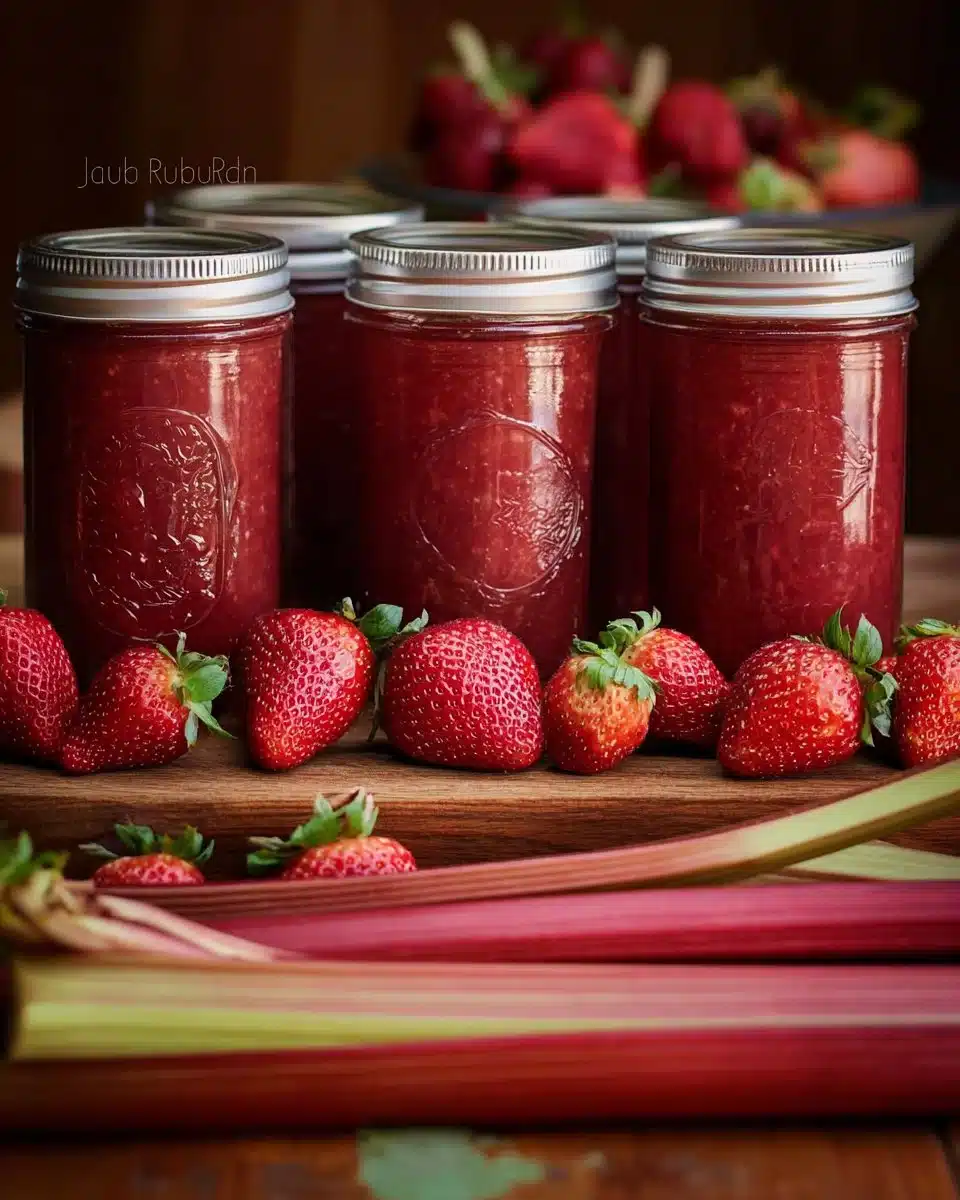
Strawberry Rhubarb Jam is a classic, bright-tasting preserve that balances the sweet warmth of strawberries with the tart snap of rhubarb in every spoonful. This jam is an ideal way to bottle a little bit of early-summer sunshine — spread it on toast, swirl it into yogurt, or gift it in pretty jars. If you enjoy fresh, seasonal pairings, try serving it beside a crisp summer dish like cucumber and strawberry salad for a brunch that feels both light and indulgent.
Making homemade jam might sound intimidating, but with a clear plan and a little patience you’ll end up with a glossy, sliceable jam that tastes far better than most store-bought varieties. In the sections that follow I’ll walk you through why this recipe is worth making, precisely how to make it, helpful tips for success, tasty twists, storage guidance, nutrition facts, and answers to common questions.
why make this recipe
Homemade Strawberry Rhubarb Jam is a small project that returns big flavor. The rhubarb’s acidity lifts the strawberries and keeps the jam bright rather than cloying, while a straightforward ingredient list means you can make it with pantry staples and seasonal produce. This recipe is especially appealing because:
- It uses natural fruit flavor rather than artificial pectin blends or complex stabilizers.
- It makes a generous yield from a modest number of ingredients, so it’s cost-effective.
- The texture is spreadable but substantial — perfect on bread, biscuits, or swirled into desserts.
- Homemade jam makes a thoughtful, handmade gift when canned or jarred attractively.
Whether you want a comforting breakfast staple or a small-batch present for friends and neighbors, this jam delivers familiar, crowd-pleasing flavor that’s easy to scale up or down.
{image_template}
Ingredients
5 cups rhubarb (about 3 large stalks, cut into 1⁄2" cubes)
2 cups hulled and halved strawberries (about 1 pint)
2 1/4 cups sugar
1 tablespoon fresh lemon juice (from about half of a large lemon)
Ingredient notes and substitutions:
- Rhubarb: Use crisp, firm stalks and discard the leaves (they are not edible). If rhubarb is not available fresh, you can use frozen rhubarb thawed and drained; adjust cooking time slightly to let excess water evaporate.
- Strawberries: Fresh berries yield the best flavor and texture, but frozen strawberries work in a pinch—thaw fully and drain any excess liquid, then proceed. Larger berries can be quartered if halved leaves pieces that are too big.
- Sugar: White granulated sugar is called for in this recipe because it helps the jam set and preserves the fruit’s color. You can reduce sugar modestly (see FAQ and Pro Tips) or experiment with cane sugar replacements, but expect differences in texture and shelf life.
- Lemon juice: Fresh lemon juice helps with flavor and acidity, which is important for proper gelling and safe canning.
how to make Strawberry Rhubarb Jam
Combine all ingredients (5 cups rhubarb, 2 cups hulled and halved strawberries, 2 1/4 cups sugar, and 1 tablespoon fresh lemon juice) in a medium to large saucepan over medium heat. Once the mixture starts to bubble, reduce heat to medium-low. You’ll want the heat set to the point where it continues to bubble but not violently when stirred (you’ll understand once you start cooking if jam bubbles start to pop out of the center of the pot). Continue to cook, stirring occasionally, until the jam has thickened. Plan on cooking jam for about an hour and temperature of the mixture is over 220°F.
If you plan to refrigerate or freeze the jam: spoon the finished jam into clean jars or airtight containers and allow it to cool to room temperature before sealing; refrigerate for up to 3 weeks or freeze for up to 12 months.
If you plan to water bath can the jam: sterilize your jars, lids, and rings by washing well and keeping them hot (in simmering water) while you cook. Once the jam reaches a full boil and its setting point, ladle it into hot jars leaving 1/4" headspace. Wipe jar rims, apply lids and rings, and process in a boiling water bath for 10 minutes (adjust time for altitude as needed). Remove jars and cool undisturbed for 12–24 hours; lids should seal with a firm center. Properly canned jam is shelf-stable for up to a year when stored in a cool, dark place.
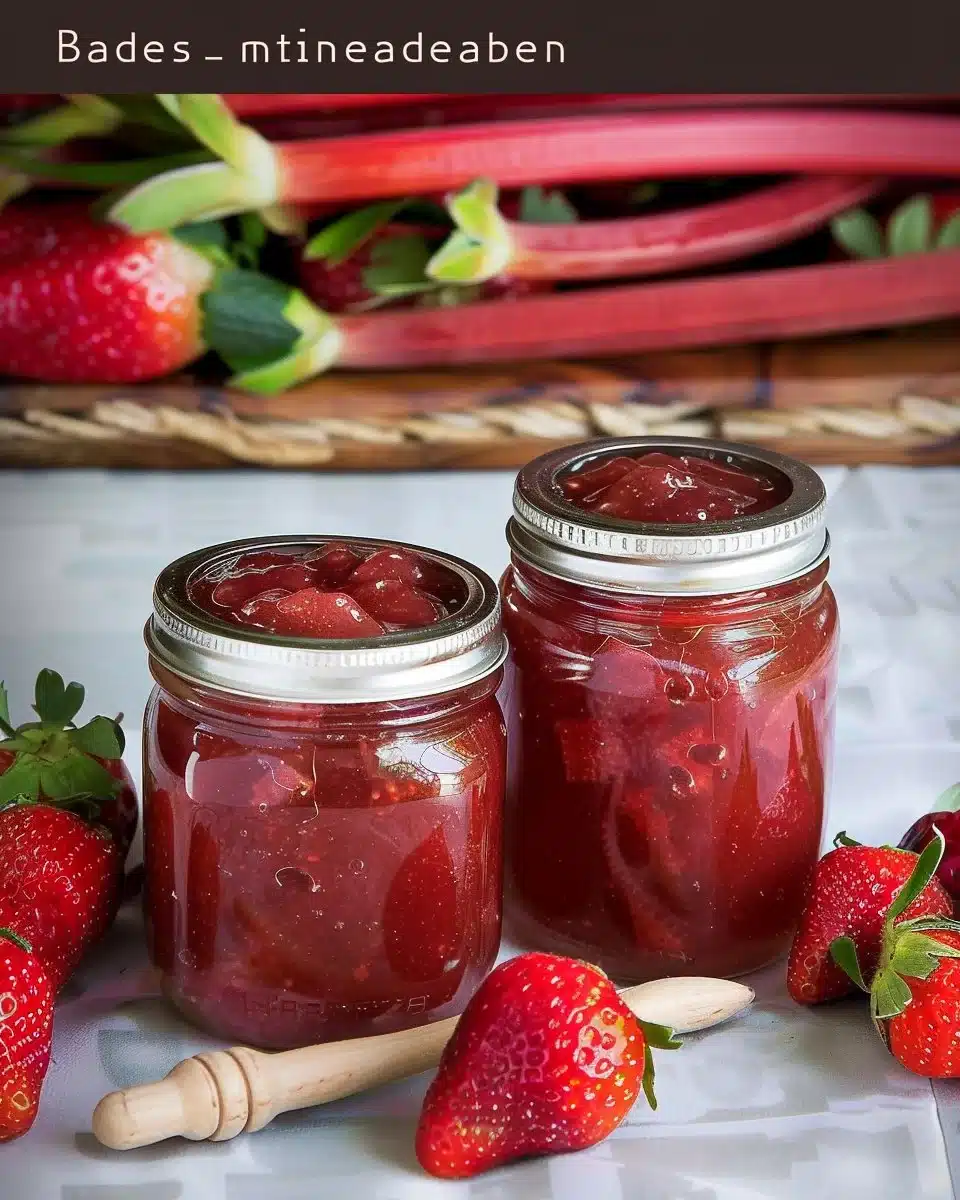
Pro Tips for Success Strawberry Rhubarb Jam
- Use a wide, heavy-bottomed pot: A broad pan allows more surface area for evaporation, which shortens cooking time and helps the jam reach set without scorching. It also makes it easier to stir and watch for foaming.
- Stir gently but regularly: Stirring prevents fruit and sugar from sticking and burning on the bottom, especially later in the cooking process when caramelization can occur. Use a wooden spoon or heat-proof silicone spatula.
- Test for set with a thermometer and plate method: Aim for 220°F (the common "setting point" for jam) on a candy thermometer. Also chill a small plate in the freezer, spoon a teaspoon of jam onto the plate, wait 30–60 seconds, and push it with your finger—if it wrinkles and doesn’t run, it’s set.
- Skim foam for a clear jar: If your jam produces foam, skim it off with a spoon. Foam won’t affect flavor but a clear glossy jam looks more appealing in jars.
- Don’t rush cooling: Let jam cool slightly before filling jars so hot liquid doesn’t warp lids, but fill while still hot to minimize air pockets and improve the seal for canning.
- Keep an eye on sugar balance: If you reduce sugar significantly, expect a looser set and shorter shelf life. If you want less sweetness, reduce by up to 10–15% and follow refrigeration or freezing for storage.
Flavor Variations Strawberry Rhubarb Jam
- Ginger-Rhubarb Twist: Add 1–2 teaspoons of freshly grated ginger during cooking for warm spice notes that pair especially well with pork substitutes or plain yogurt.
- Vanilla-Infused: Split a vanilla bean, scrape the seeds, and add both seeds and pod to the pot during cooking for a round, aromatic jam. Remove the pod before jarring.
- Citrus Brightness: Add the zest of one orange along with the lemon juice for a citrusy lift that plays up summer fruit flavors.
- Balsamic Reduction: Stir in 1–2 teaspoons of aged balsamic vinegar near the end of cooking for a complex, slightly savory depth that’s stunning on goat cheese crostini.
- Spiced Berry Blend: Add a small pinch of ground cardamom or 1/2 a cinnamon stick during simmering for a cozy, spiced preserve.
Serving Suggestions Strawberry Rhubarb Jam
This jam is wonderfully versatile and can elevate many simple dishes. Here are some ideas to inspire serving:
- Classic breakfast: Spread on buttered toast, English muffins, or freshly baked scones.
- Yogurt and granola: Spoon a generous dollop over plain or vanilla yogurt and top with toasted nuts or granola for a bright, textured parfait.
- Cheese board: Pair with aged cheddar, tangy goat cheese, or cream cheese—jam cuts through fat and adds a pleasing sweet-tart contrast.
- Glaze or sauce: Heat the jam briefly and use it as a glaze for roasted chicken or a vegetarian roast substitute; thin with a splash of broth or vinegar to make a pourable sauce.
- Desserts: Swirl into cheesecake batter, layer in trifle, or use as a filling for thumbprint cookies.
- Brunch idea: For a savory-sweet brunch spread, try offering jam alongside eggs and a savory rice or grain dish, or across from a hearty stew; it’s an unexpected but delightful complement to bold flavors. For a classic Southern pairing that plays savory and sweet off each other, you can serve small jars alongside a robust rice dish such as classic Mardi Gras jambalaya for a striking contrast.
Storage and Freezing Instructions Strawberry Rhubarb Jam
Refrigeration:
- After cooking, allow jars or containers to cool to room temperature, then store in the refrigerator. Properly chilled jam will keep for about 3 weeks. If you notice any off odors, mold, or unusual textures, discard the jar.
Freezing:
- For longer storage without canning, freeze jam in airtight, freezer-safe containers, leaving some headspace for expansion. Glass jars can crack in the freezer, so use plastic or specially marked freezer jars. Frozen jam keeps well for up to 12 months. Thaw in the refrigerator overnight before use.
Canning (water bath):
- If you plan to shelf-store your jam, follow water bath canning steps: sterilize jars and lids, fill hot jars with hot jam leaving 1/4" headspace, wipe rims, place lids, and process in a boiling water bath for 10 minutes (adjust for altitude). Remove jars and let cool undisturbed. Lids should be concave and sealed. Properly sealed jars can be stored in a cool, dark place for up to one year. Once opened, refrigerate and consume within 3 weeks.
Small-batch tips:
- If you’re testing recipes, freeze smaller portions so you don’t risk wasting large amounts. Freezer method is forgiving and preserves flavor well.
Nutrition Facts (Per Serving)
Nutrition values are approximate and based on the full recipe yield divided into typical tablespoon-sized servings (about 1 tablespoon / 20 g per serving).
- Calories: 30 kcal
- Protein: 0.1 g
- Carbohydrates: 7.4 g
- Fat: 0.0 g
- Fiber: 0.3 g
- Sodium: 1 mg
Note: Most of the calories and carbohydrates come from the added sugar. If you alter the sugar quantity or use alternative sweeteners, nutritional values will change.
FAQ About Strawberry Rhubarb Jam
How long does it take to cook jam to the right set?
Cooking time varies depending on your pot, the fruit’s water content, and how vigorously the mixture bubbles; plan on about an hour for this recipe. Use a candy thermometer and aim for 220°F as a reliable indicator of set. If you don’t have a thermometer, use the chilled plate test: a small spoonful on a cold plate should wrinkle when nudged after cooling for a minute.
My jam didn’t set — what went wrong and can I fix it?
A jam that remains runny often needs more cooking time to reach the setting point, or it may have too much liquid (from very juicy fruit) or too little sugar relative to pectin. To fix runny jam, return it to the pot and simmer until it thickens, testing periodically. Alternatively, you can stir in commercial pectin or a fruit pectin product according to package directions to speed gelling, then re-boil and jar.
Can I use frozen strawberries or rhubarb for this recipe?
Yes — frozen strawberries and rhubarb can be used. Thaw and drain excess liquid to avoid diluting the jam; you may need extra cooking time to evaporate moisture. Frozen fruit can yield excellent results and is an excellent option when fresh produce is out of season.
Can I reduce the sugar if I want a less-sweet jam?
You can reduce sugar modestly, but sugar helps the jam set and also acts as a preservative. Reducing sugar by 10–15% usually works without major compromise, but expect a looser set and a shorter pantry shelf life. If you prefer low-sugar preserves, consider freezer jam methods or adding pectin formulated for low-sugar recipes.
Is it safe to can jam at home, and what are the basics?
Yes, water bath canning is safe for high-acid foods like jams. Basics include using sterilized jars and lids, leaving proper headspace (usually 1/4"), processing jars in a rolling boil for the recommended time (10 minutes for this recipe, adjusted for altitude), and ensuring lids seal before storage. Always follow a trusted canning guideline for precise times and safety procedures.
Are rhubarb leaves safe to eat or use in preserves?
No, rhubarb leaves contain oxalic acid and related compounds that can be toxic and should be discarded. Only the stalks are edible; trim leaves away and compost or dispose of them safely. The stalks are flavorful and entirely suitable for jams and other preparations once cleaned and chopped.
Final Thoughts
Strawberry Rhubarb Jam is a timeless, adaptable preserve that celebrates simple ingredients and seasonal flavor. Whether you’re making a single batch to enjoy this week or planning several jars as gifts, the recipe’s straightforward method and flexible variations let you tailor your results to taste. With basic supplies, an eye on temperature, and a little patience, you’ll transform a handful of summer produce into jars of bright, tart-sweet jam that lift everyday breakfasts and desserts. Enjoy the process — and the first slice of toast spread with your very own homemade jam.
Print
Strawberry Rhubarb Jam
- Total Time: 75 minutes
- Yield: 4 servings
- Diet: Vegetarian
Description
A bright and classic preserve pairing sweet strawberries with tart rhubarb, perfect for spreading on toast or gifting.
Ingredients
- 5 cups rhubarb (about 3 large stalks, cut into 1/2″ cubes)
- 2 cups hulled and halved strawberries (about 1 pint)
- 2 1/4 cups sugar
- 1 tablespoon fresh lemon juice (from about half of a large lemon)
Instructions
- Combine all ingredients (5 cups rhubarb, 2 cups hulled and halved strawberries, 2 1/4 cups sugar, and 1 tablespoon fresh lemon juice) in a medium to large saucepan over medium heat.
- Reduce the heat to medium-low once the mixture starts to bubble.
- Cook, stirring occasionally, until the jam thickens, about an hour and temperature reaches over 220°F.
- Transfer the finished jam into clean jars or airtight containers and allow to cool to room temperature before sealing if refrigerating or freezing.
- For water bath canning, ladle hot jam into sterilized jars, leaving 1/4″ headspace, and process in a boiling water bath for 10 minutes.
Notes
Use firm, crisp rhubarb stalks and discard leaves. Fresh strawberries provide the best flavor. Adjust sugar if desired but maintain a proper balance for setting.
- Prep Time: 15 minutes
- Cook Time: 60 minutes
- Category: Condiments
- Method: Canning
- Cuisine: American