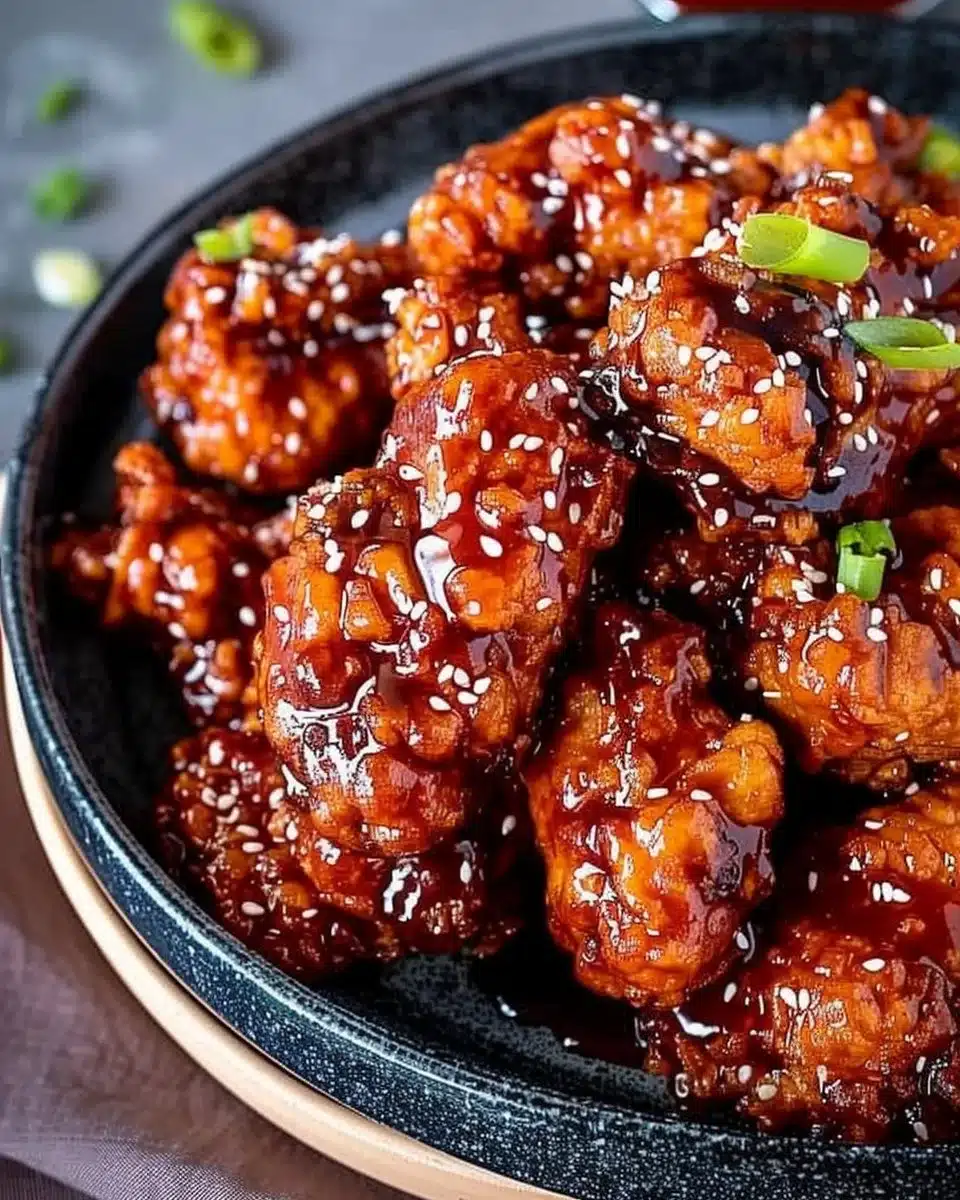
introduction: Korean Fried Chicken is a mouthwatering crowd-pleaser that marries ultra-crispy skin with a sticky, savory-sweet glaze in every bite. If you’re curious about similar techniques or want to compare methods, take a look at the chicken fried chicken recipe for another tested approach. This recipe focuses on 2 pounds of wings, a light dry coating, and a bold gochujang-honey glaze that’s easy to make at home.
why make this recipe
Korean Fried Chicken is a fantastic recipe to make because it turns basic ingredients into an impressive plate in under an hour. It highlights the contrast between an exceptionally crispy exterior and juicy meat inside, and the glaze adds complex sweet, salty, and mildly spicy notes. It’s ideal for family dinners, game-day snacks, potlucks, or when you want to make something memorable without needing advanced cooking skills.
how to make Korean Fried Chicken
This recipe uses a simple dry coating with cornstarch and baking powder for added crispness, plus a quick gochujang honey glaze. The key steps are dipping the wings in buttermilk, dredging in the flour-cornstarch mix, frying in hot oil, and tossing in a warm glaze so every bite is sticky and flavorful.
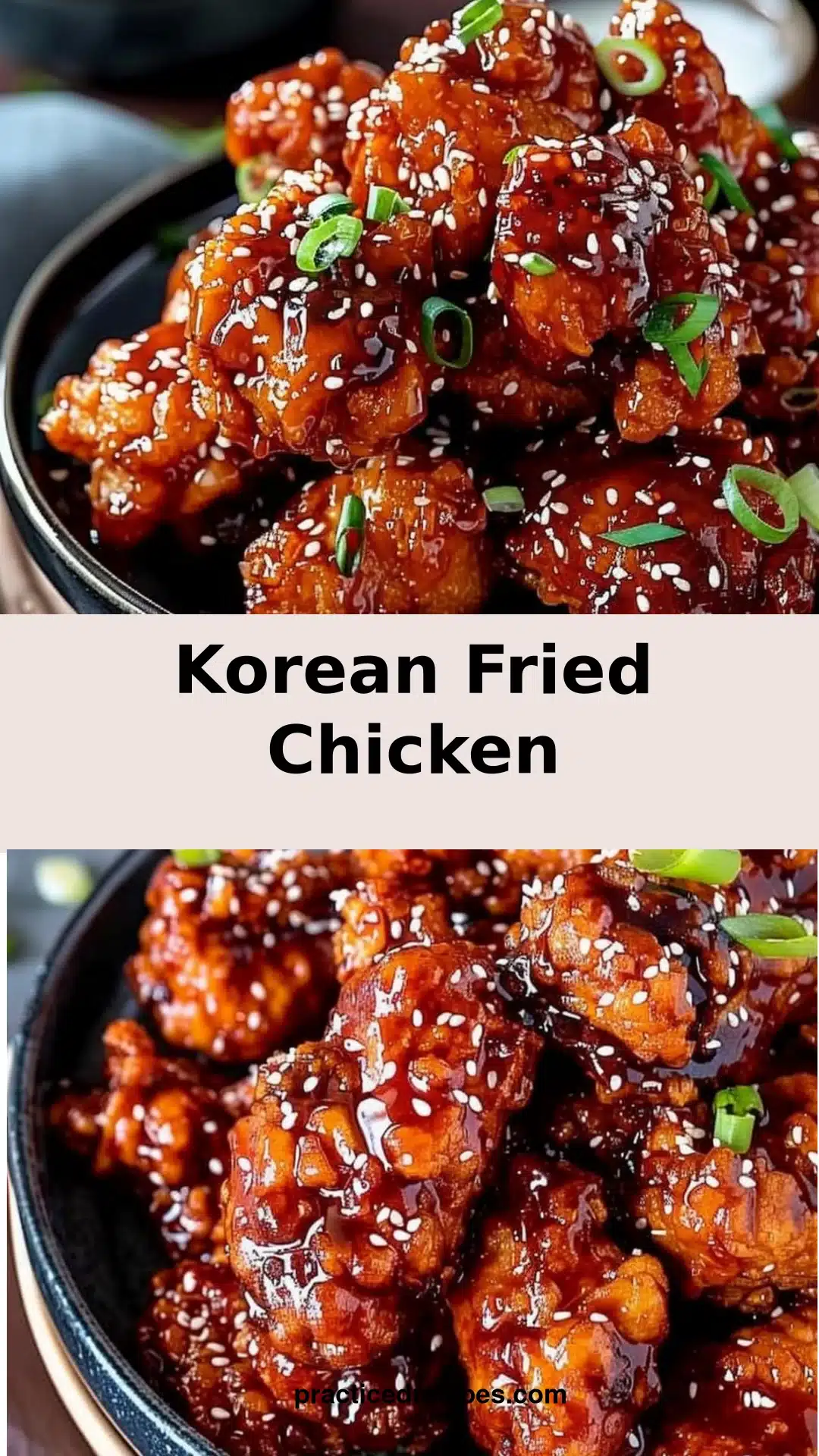
Ingredients :
- 2 lbs chicken wings
- 1 cup all-purpose flour
- 1/2 cup cornstarch
- 1 tsp baking powder
- 1 tsp salt
- 1/2 tsp black pepper
- 1 cup buttermilk
- Vegetable oil for frying
- 1/2 cup gochujang (Korean chili paste)
- 1/4 cup honey
- 2 tbsp soy sauce
- 2 cloves garlic, minced
- 1 tsp sesame oil
- Green onions for garnish
- Sesame seeds for garnish
Ingredient Notes:
- Buttermilk: If you don’t have buttermilk, make a quick substitute by adding 1 tablespoon of lemon juice or vinegar to 1 cup of milk and letting it sit for 5–10 minutes. The acidity helps tenderize the meat.
- Gochujang: This is a fermented Korean chili paste with sweet, spicy, and savory flavors. If you don’t have it, substitute with a mix of 2–3 tablespoons of a chili garlic sauce blended with 1 tablespoon of miso and a splash of honey for depth.
- Flour and cornstarch: The cornstarch lightens the crust and increases crunch. You can use rice flour instead of cornstarch for a slightly different texture.
- Soy sauce: For a lower-sodium option, use low-sodium soy sauce.
- Wings: This recipe is written for chicken wings, but you can use drumettes or wingettes interchangeably. If using larger pieces like drumsticks, increase frying time.
Directions :
- In a large bowl, combine flour, cornstarch, baking powder, salt, and pepper.
- Dip chicken wings in buttermilk, then coat in the flour mixture.
- Heat oil in a deep fryer or large pot to 350°F (175°C).
- Fry the chicken wings in batches for 10-12 minutes until golden brown and cooked through.
- In a separate bowl, mix gochujang, honey, soy sauce, garlic, and sesame oil to create the glaze.
- Toss the fried chicken in the glaze until well coated.
- Serve garnished with green onions and sesame seeds.

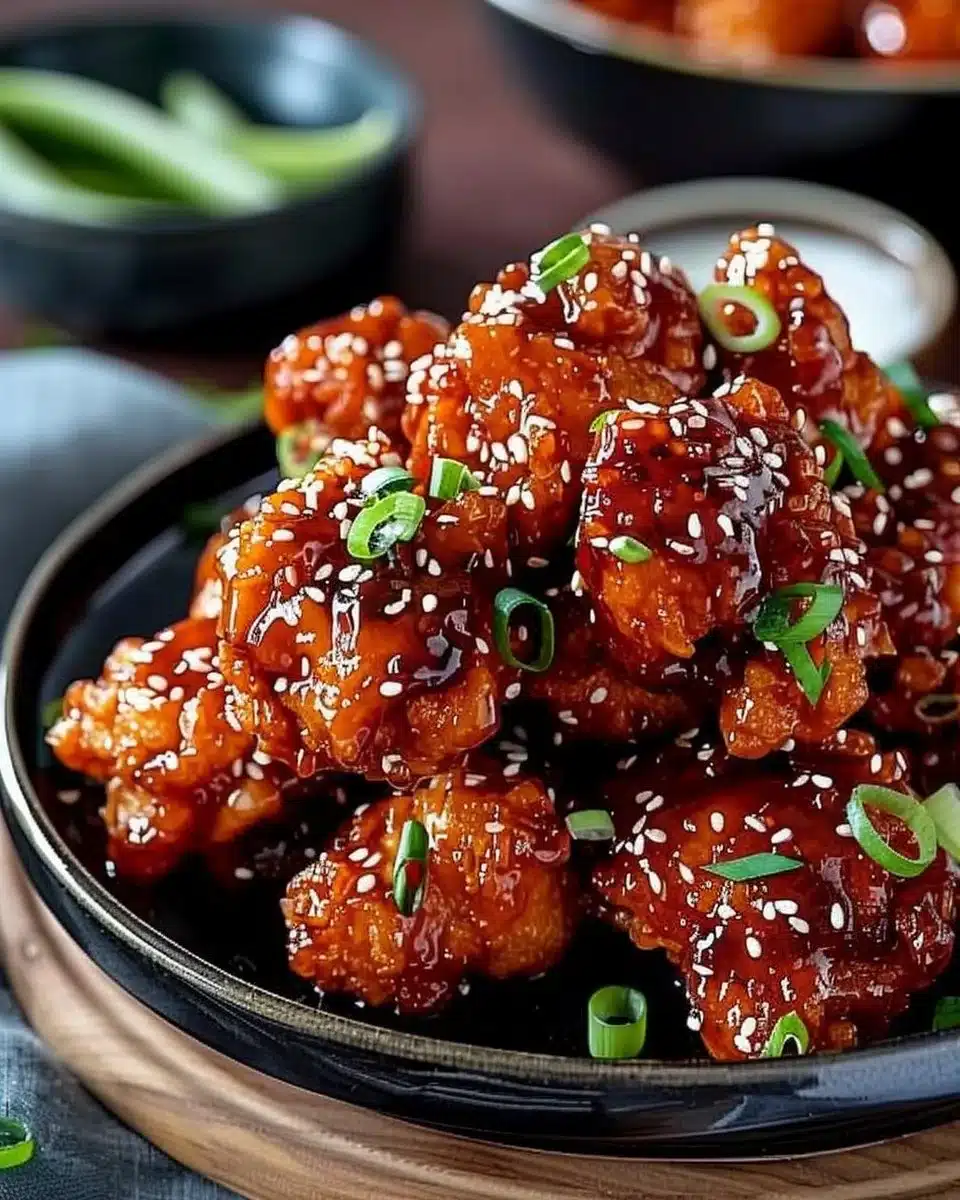
Pro Tips for Success Korean Fried Chicken
- Double-dry coating: After the first dredge and a short rest, dust the wings again for an extra-crispy shell that holds up to the glaze.
- Maintain oil temperature: Use a thermometer and keep the oil around 350°F. If it drops too low the crust will soak up oil; too hot and the exterior will burn before the inside cooks.
- Fry in batches: Crowding the pot lowers oil temperature and causes uneven cooking. Fry 6–8 wings at a time depending on pot size.
- Rest before glazing: Let the wings sit a minute after frying so excess oil drains; this helps the glaze stick without becoming soggy.
- Warm the glaze: Slightly heat the glaze so it coats the wings more evenly and glossy; a cold glaze can clump and not adhere well.
- Crisp recovery tip: If wings soften after glazing, pop them on a rack under a 375°F oven for 3–4 minutes to re-crisp before serving.
Flavor Variations Korean Fried Chicken
- Sweet and sticky soy-garlic: Replace gochujang and honey with 1/3 cup brown sugar, 3 tbsp soy sauce, and a splash of rice vinegar, plus extra minced garlic for a more garlicky glaze.
- Yangnyeom style: Amp up the gochujang to 2/3 cup and add 1 tbsp rice syrup or corn syrup for the classic Korean sweet-spicy coating known as yangnyeom.
- Citrus hot: Stir in 2 tbsp fresh orange juice and the zest of 1 orange into the glaze for bright citrus notes that cut through richness.
- Soy butter glaze: Melt 2 tbsp butter into the glaze and finish with a squeeze of lemon for a richer, tangy sheen.
Serving Suggestions Korean Fried Chicken
- Serve with steamed rice or sticky rice to balance the heat.
- Offer pickled radish or quick-pickled cucumbers to refresh the palate between bites.
- Pair with a side of kimchi or a simple cabbage slaw dressed with rice vinegar for crunch and acid.
- For a shared platter, include carrot sticks, celery, and multiple small bowls of dipping sauces like ranch, blue cheese, or extra gochujang-honey for variety.
Storage and Freezing Instructions Korean Fried Chicken
- Refrigerating: Store cooled chicken in an airtight container in the refrigerator for up to 3 days. To keep it crisp, separate the wings from the glaze if possible and store glaze in a small jar.
- Reheating: Re-crisp in a 375°F oven on a wire rack for 5–8 minutes. Add the glaze briefly after re-crisping to avoid sogginess.
- Freezing: Freeze fully cooled, unglazed wings on a tray until firm, then transfer to a freezer-safe bag for up to 2 months. Reheat from frozen in a 400°F oven for 12–18 minutes, then toss with warm glaze.
- Glaze storage: Store glaze in the fridge for up to one week; gently warm before using.
Nutrition Facts (Per Serving) — estimate per serving (2–3 wings)
- Calories: 470 kcal
- Protein: 26 g
- Carbs: 22 g
- Fat: 30 g
- Fiber: 0.8 g
- Sodium: 780 mg
Notes on nutrition: These values are estimates based on a typical portion of two to three fried wings with glaze. Deep-frying and the glaze increase calories and sodium; adjusting the amount of glaze, using less honey, or air-frying can reduce totals.
How to make Korean Fried Chicken — step-by-step technique
Frying wings so they’re crispy and juicy is partly about technique. This section breaks down each step with clear reasoning so you can replicate results consistently.
Prep the wings
Pat the wings dry with paper towels before dipping them in buttermilk. Dryness helps the coating adhere and prevents oil splatter. If the wings are whole, cut them into drumette and wingette pieces, discarding the wing tip or saving it for stock.
Make the dry mix
Combine flour, cornstarch, baking powder, salt, and pepper. The baking powder creates tiny air pockets in the crust as it bakes in oil, which gives a lighter crunch. The cornstarch reduces gluten formation for a crispier texture.
Buttermilk dip
The buttermilk not only helps the coating stick but also tenderizes the meat slightly. It contains natural acids that break down proteins, leading to a softer interior. For a dairy-free option, use plain yogurt thinned with water or a non-dairy milk plus a splash of lemon.
Coating technique
After dipping in buttermilk, toss the wings in the dry mix and press lightly to form an even coating. For a thicker crust, let the coated wings rest on a wire rack for 10 minutes, then dust again with the dry mix. This builds layers that fry up extra crunchy.
Frying method
Use a heavy pot or deep fryer and a neutral oil with a high smoke point (canola, vegetable, or peanut oil). Bring oil to 350°F (175°C). Add wings carefully using a slotted spoon or tongs. Maintain 350°F as much as possible — a candy or deep-fry thermometer helps. Fry in batches for 10–12 minutes or until internal temperature reaches 165°F and the exterior is deeply golden.
Double-fry option
Many Korean styles use a double-fry: a first fry at 320°F to cook through, then a brief rest, followed by a second fry at 375°F to crisp the exterior. Double-frying gives an unbeatable crunch and helps the crust hold up to saucing.
Making the glaze
Combine gochujang, honey, soy sauce, minced garlic, and sesame oil in a saucepan. Warm gently to blend flavors—don’t boil vigorously or the sugars may burn. Toss wings in warm glaze so it adheres and becomes glossy.
Finishing touches
Add sliced green onions and toasted sesame seeds right before serving for aroma, color, and a bit of freshness.
The science of a great crust
The crispiness that defines Korean fried chicken comes from a few key elements:
- Starch vs. flour: Starch (cornstarch or rice flour) forms a brittle, glassy crust, while wheat flour creates a chewier shell. A mix gives the best of both.
- Dehydration: Patting chicken dry and using a light coating helps moisture escape and prevents sogginess.
- Temperature control: Maintaining oil temperature is essential — too cool and the crust absorbs oil; too hot and the outside burns before cooking inside.
- Leavening: Baking powder introduces gas bubbles that expand in hot oil, leading to a crisp, aerated crust.
Flavor balancing for the glaze
Gochujang is a complex paste—sweet, salty, spicy, and fermented. Balancing it with honey tames its heat and adds shine. Soy sauce contributes umami and salt; a dash of sesame oil adds toasted notes. If you want more acidity, a teaspoon of rice vinegar or a squeeze of lime brightens the glaze.
Troubleshooting common issues
- Soggy crust after saucing: Toss with a thin layer of glaze instead of heavy coating; apply glaze while still warm and serve immediately. Alternatively, lightly brush glaze on the wings rather than toss.
- Greasy wings: Fry at proper temperature and drain on a wire rack, not paper towels, which trap steam and make the crust soggy.
- Uneven cooking: Make sure wing pieces are of similar size and fry in balanced batches. Use a thermometer to confirm internal temperature.
- Glaze too thick or thin: If too thick, thin with a tablespoon of water or warm soy sauce; if too thin, simmer briefly to reduce and concentrate.
Pairings and sides that work well
- Simple slaw: Cabbage with rice vinegar and a pinch of sugar provides crunch and acidity.
- Pickled radishes: Classic side in Korean fried chicken shops; they cut through richness.
- Rice or steamed buns: For a heartier meal, serve with rice or soft buns to soak up sauce.
- Beer or sparkling beverage: Fizzy drinks help cleanse the palate between bites.
- Dipping sauces: A small bowl of soy-sesame dip, ranch, or extra gochujang mixed with honey gives guests options.
Healthier swaps and variations
- Air-fry version: Air-fry at 375°F for 22–28 minutes, flipping halfway, for a lower-oil version. The texture will be slightly different but still satisfying.
- Oven-baked: Use a high rack and preheat the oven to 450°F; bake 25–35 minutes, flipping once, and broil at the end to crisp.
- Lighter glaze: Reduce honey by half and add a splash of rice vinegar to keep brightness with less sugar.
- Vegetables: Use the same coating and frying for cauliflower florets or tofu cubes for a vegetarian option; adjust frying time until tender.
FAQ About Korean Fried Chicken
What makes Korean fried chicken different from American fried chicken?
Korean fried chicken is usually lighter and crunchier, often achieved by combining flours or using cornstarch and sometimes double-frying. It’s commonly coated in a sticky, sweet-spicy glaze like yangnyeom, whereas American fried chicken tends to have a thicker, seasoned batter and may be served without a glaze. The Korean approach focuses on thin, shatteringly crisp skin and bold finishing flavors.
Can I use other pieces besides wings?
Yes. Drumsticks, thighs, and boneless pieces work well. Adjust frying time for larger or thicker cuts—thighs and drumsticks will take longer to reach a safe internal temperature. Boneless pieces cook faster and may need less time, so monitor closely to avoid overcooking.
Is gochujang very spicy? Can I make the glaze milder?
Gochujang ranges from mild to moderately spicy, with sweetness and umami as well. If you prefer milder heat, reduce the gochujang quantity and increase honey or add a mild pepper paste. You can also dilute the paste with a little soy sauce and tomato paste to keep flavor but lower the perceived spice.
How do I keep the wings crispy after tossing in sauce?
To retain crispness, toss wings in a warm, thin glaze quickly and serve immediately. If you need to hold them, keep wings on a wire rack in a low oven (about 200–220°F) and apply glaze just before serving. Alternatively, serve glaze on the side for guests to dip.
Can I prepare parts of this recipe ahead of time?
Yes. You can dredge the wings and store them on a baking sheet covered with plastic wrap in the fridge for a few hours. Make the glaze ahead and refrigerate; warm it gently before using. Do not fry ahead if you want the crispiest texture—fry just before serving.
Is there an easier way to cook this for a weeknight?
Air-frying or baking reduces hands-on frying and cleanup. Another quick option is to shallow-fry in a skillet for smaller batches, but watch oil temperatures and flip frequently for even browning. Preparing the glaze ahead and setting up a frying station will speed things along.
How do I prevent oil splatter while frying wings?
Pat wings dry and don’t overfill the fryer with wet pieces. Lower pieces into oil gently and keep a splatter guard handy. Using a deep pot with high sides also reduces splatter. Wear an apron and keep children at a safe distance.
What are good side dishes for a crowd?
Serve Korean Fried Chicken with rice, large bowls of kimchi, pickled vegetables, a big cabbage slaw, and small plates of various dipping sauces. For drinks, offer sparkling water, cold beer, or a citrusy soda to cut through richness.
Final Thoughts
Korean Fried Chicken is a rewarding dish that balances crisp texture with a bold, sticky glaze—perfect for sharing or savoring solo. With a few technique tips like maintaining oil temperature and warming the glaze, you can reliably produce wings that stay crisp and flavorful. Experiment with the glaze and try variations to find your favorite level of heat and sweetness. Whether you fry, air-fry, or bake, this recipe gives you a strong foundation to make delicious wings that’ll disappear fast at any table.
Print
Korean Fried Chicken
- Total Time: 45 minutes
- Yield: 4 servings
- Diet: None
Description
A mouthwatering recipe for Korean Fried Chicken featuring ultra-crispy skin and a sticky, savory-sweet glaze.
Ingredients
- 2 lbs chicken wings
- 1 cup all-purpose flour
- 1/2 cup cornstarch
- 1 tsp baking powder
- 1 tsp salt
- 1/2 tsp black pepper
- 1 cup buttermilk
- Vegetable oil for frying
- 1/2 cup gochujang (Korean chili paste)
- 1/4 cup honey
- 2 tbsp soy sauce
- 2 cloves garlic, minced
- 1 tsp sesame oil
- Green onions for garnish
- Sesame seeds for garnish
Instructions
- In a large bowl, combine flour, cornstarch, baking powder, salt, and pepper.
- Dip chicken wings in buttermilk, then coat in the flour mixture.
- Heat oil in a deep fryer or large pot to 350°F (175°C).
- Fry the chicken wings in batches for 10-12 minutes until golden brown and cooked through.
- In a separate bowl, mix gochujang, honey, soy sauce, garlic, and sesame oil to create the glaze.
- Toss the fried chicken in the glaze until well coated.
- Serve garnished with green onions and sesame seeds.
Notes
For extra-crispy chicken, double-dust the wings before frying and maintain oil temperature during cooking.
- Prep Time: 15 minutes
- Cook Time: 30 minutes
- Category: Appetizer
- Method: Frying
- Cuisine: Korean