
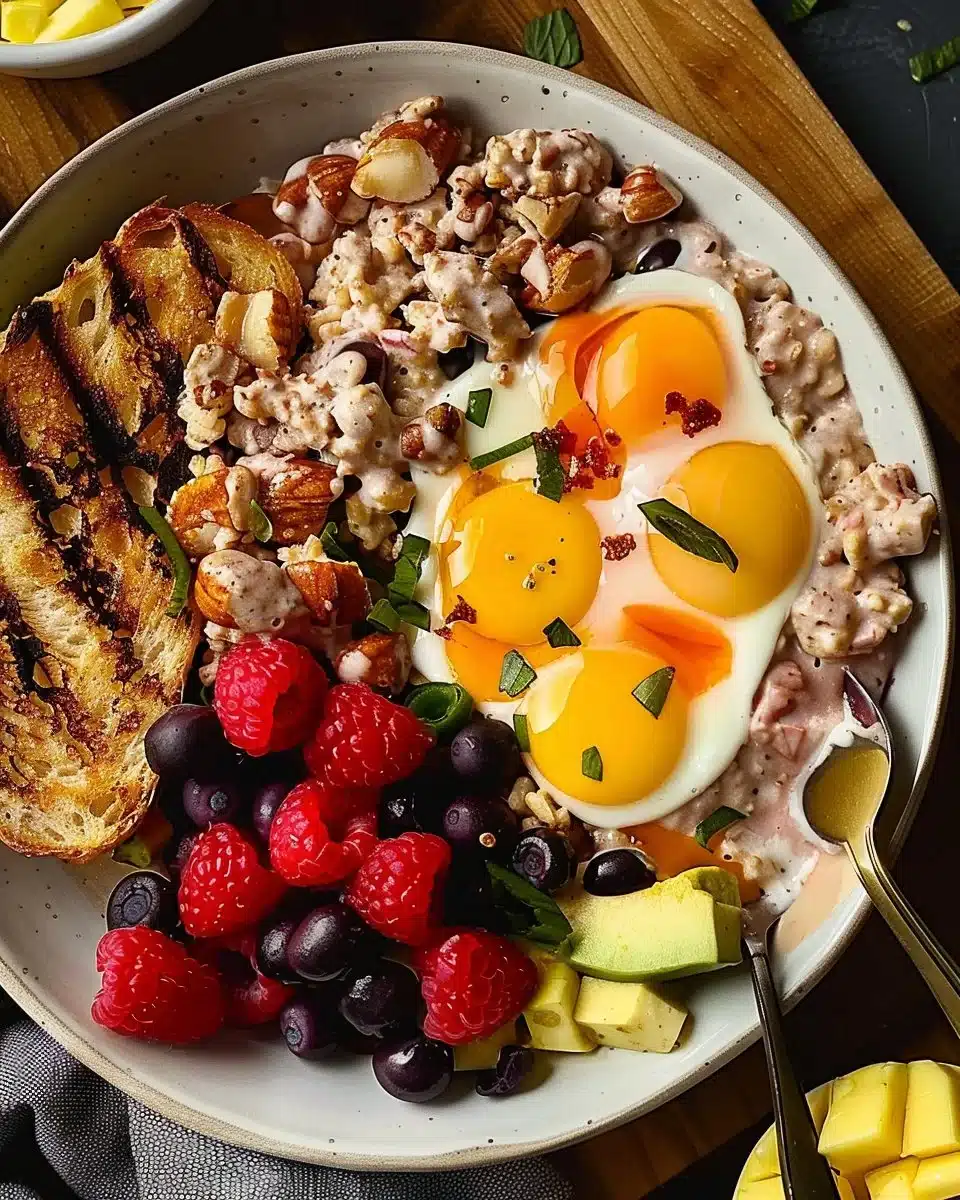
27 High-Protein Breakfasts for When You’re Sick of Just Eggs
Finding high-protein breakfasts can be challenging, especially when you’re tired of the same old options. If you’re looking for variety without sacrificing your protein intake in the morning, you’re in the right place. This article provides 27 scrumptious high-protein breakfast ideas that will keep your mornings lively and satisfying.
Why Make High-Protein Breakfasts?
High-protein breakfasts are essential for several reasons. First, they help you feel fuller for longer, reducing the likelihood of mid-morning snacks. This can assist in weight management and maintain steady energy levels throughout the day. Additionally, protein is vital for muscle repair, making it especially important if you’re active. By incorporating a range of ingredients, you can also enjoy a colorful and nutritious start to your day.
How to Make High-Protein Breakfasts
Making high-protein breakfasts doesn’t have to be complicated. Below are steps you can follow along with a list of ingredients and simple directions that cater to various dietary preferences.
Ingredients:
- Greek yogurt (plain, full-fat or low-fat)
- Cottage cheese (or silken tofu for dairy-free)
- Rolled oats
- Protein powder (whey or plant-based)
- Quinoa (cooked)
- Canned chickpeas and black beans
- Lentils (cooked)
- Tempeh or firm tofu
- Smoked turkey breast or chicken slices (for non-veg options)
- Nut butters (peanut, almond)
- Nuts and seeds (almonds, walnuts, chia, hemp)
- Whole-grain bread or English muffins
- Avocado
- Fresh fruit (bananas, berries, apples)
- Vegetables for bowls/toasts (spinach, tomatoes, bell peppers, mushrooms)
- Olive oil
- Lemon juice
- Vinegar (for dressings)
- Herbs and spices (garlic powder, smoked paprika, cumin, cinnamon)
- Low-sodium broth (as needed)
- Honey or maple syrup (optional)
- Salt and pepper
Directions
Prepare a protein base: Choose from Greek yogurt, cottage cheese, cooked lentils, tempeh, beans, or protein-enriched smoothies.
Add a whole-grain or starchy element: Incorporate oats, toast, quinoa, or a whole-grain waffle.
Layer vegetables or fruit for vitamins and texture: Fresh produce adds color and nutrients.
Season and top with a healthy fat: Use nuts, seeds, or avocado along with a squeeze of citrus or a drizzle of dressing.
Adjust portion sizes: Aim for 20–40 grams of protein per meal to accommodate your dietary goals. Many of these ideas can be prepped in batches to save time, such as overnight oats, baked tofu, or roasted chickpeas.
Pro Tips for Success
Prep Ahead: Prepare ingredients like quinoa, legumes, and roasted vegetables in advance to save time during busy mornings.
Mix and Match: Don’t hesitate to combine different protein sources for added flavor and texture.
Boost Flavor: Experiment with herbs and spices to keep things interesting.
Balance is Key: Pair protein sources with healthy fats and complex carbohydrates for a well-rounded meal.
Use Leftovers: Incorporate leftovers from dinner for a quick breakfast option.
Flavor Variations
Greek Yogurt Bowls: Top Greek yogurt with fresh fruit and a drizzle of honey for a sweet start.
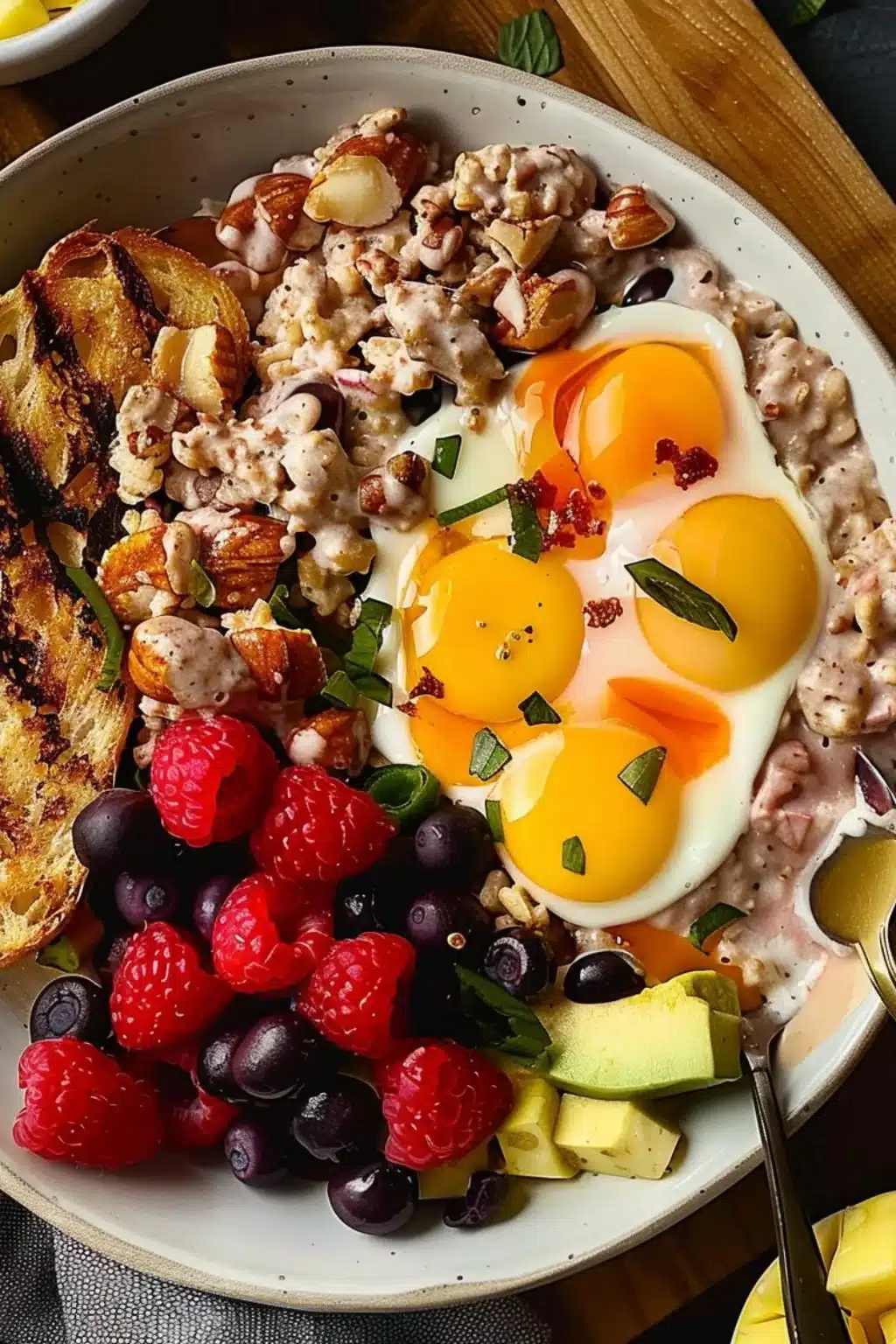
Savory Oat Bowls: Stir in sautéed vegetables, a poached egg, and seasonings into your oats.
Smoothie Boost: Blend protein powder with fruit, spinach, and almond milk for a protein-packed smoothie.
Mediterranean Quinoa: Add olives, sun-dried tomatoes, and feta cheese to quinoa for a delicious twist.
Nut Butter Toasts: Spread almond butter on whole-grain toast, topped with banana slices and flax seeds.
Serving Suggestions
High-protein breakfasts can be served in a variety of ways. Enjoy yogurt bowls with granola, smoothies in a mason jar for on-the-go, or savory quiches for something heartier. Each of these options can be paired with a fresh juice or herbal tea to create a delightful breakfast experience.
Storage and Freezing Instructions
Many high-protein ingredients can be stored for longer periods. For example, oatmeal can be made in bulk and stored in the refrigerator for up to five days. Smoothies can be prepped and frozen in individual portions, while protein bars made with nut butter and oats can be stored at room temperature for up to a week. Always store your meals in airtight containers to maintain freshness.
Nutrition Facts (Per Serving)
While the exact nutritional facts will vary based on specific ingredients and portions, here’s a general breakdown for a high-protein breakfast:
- Calories: 350-500
- Protein: 20-40g
- Carbohydrates: 30-60g
- Fat: 10-20g
- Fiber: 5-10g
- Sodium: Varies
FAQ About High-Protein Breakfasts
What are the benefits of a high-protein breakfast?
A high-protein breakfast can help keep you full, stabilize blood sugar, and support muscle recovery. This aids in energy levels and can potentially help with weight management.
Can I make high-protein breakfasts ahead of time?
Absolutely! Many components, such as grains or legumes, can be prepared in advance and stored in the fridge to make assembly quick on busy mornings.
What if I’m vegetarian or vegan?
You can easily adapt these recipes using plant-based proteins such as lentils, beans, tofu, and plant-based protein powders. Greek yogurt can be substituted with dairy-free yogurt alternatives.
How can I increase the protein content of my breakfast?
Consider adding protein powder to smoothies or oats, including nuts and seeds, or pairing your meal with eggs or cottage cheese if you consume dairy.
Are there quick high-protein breakfast options?
Yes! Overnight oats, yogurt parfaits, or quick smoothies can be prepared in advance to provide protein without any morning hassle.
Final Thoughts
Enjoying high-protein breakfasts doesn’t have to mean eating the same thing repeatedly. By diversifying your ingredient choices and being creative in the kitchen, you can easily achieve a satisfying breakfast that aligns with your nutritional goals. So why not explore these options and add some vibrancy to your morning meals? It’s time to say goodbye to boring breakfasts and hello to exciting, protein-packed mornings!


27 High-Protein Breakfasts for When You’re Sick of Just Eggs
- Total Time: 25 minutes
- Yield: 4 servings
- Diet: Vegetarian
Description
A collection of 27 diverse high-protein breakfast ideas to ensure you start your day with satisfying and nutritious options.
Ingredients
- Greek yogurt (plain, full-fat or low-fat)
- Cottage cheese (or silken tofu for dairy-free)
- Rolled oats
- Protein powder (whey or plant-based)
- Quinoa (cooked)
- Canned chickpeas and black beans
- Lentils (cooked)
- Tempeh or firm tofu
- Smoked turkey breast or chicken slices (for non-veg options)
- Nut butters (peanut, almond)
- Nuts and seeds (almonds, walnuts, chia, hemp)
- Whole-grain bread or English muffins
- Avocado
- Fresh fruit (bananas, berries, apples)
- Vegetables for bowls/toasts (spinach, tomatoes, bell peppers, mushrooms)
- Olive oil
- Lemon juice
- Vinegar (for dressings)
- Herbs and spices (garlic powder, smoked paprika, cumin, cinnamon)
- Low-sodium broth (as needed)
- Honey or maple syrup (optional)
- Salt and pepper
Instructions
- Prepare a protein base by choosing Greek yogurt, cottage cheese, cooked lentils, tempeh, beans, or protein-enriched smoothies.
- Add a whole-grain or starchy element, like oats, toast, quinoa, or a whole-grain waffle.
- Layer vegetables or fruit for vitamins and texture.
- Season and top with a healthy fat such as nuts, seeds, or avocado along with a squeeze of citrus or a drizzle of dressing.
- Adjust portion sizes to aim for 20–40 grams of protein per meal.
Notes
Prep ingredients ahead of time to save on busy mornings and mix and match various proteins for added flavor. Experiment with herbs and spices for variety.
- Prep Time: 15 minutes
- Cook Time: 10 minutes
- Category: Breakfast
- Method: Mixed
- Cuisine: American

1 thought on “27 High-Protein Breakfasts for When You’re Sick of Just Eggs”